Spin Wars Documentary Director Interview
469: Spin Wars Documentary Director Interview
Listen Here:
Watch Here:
What We Covered:
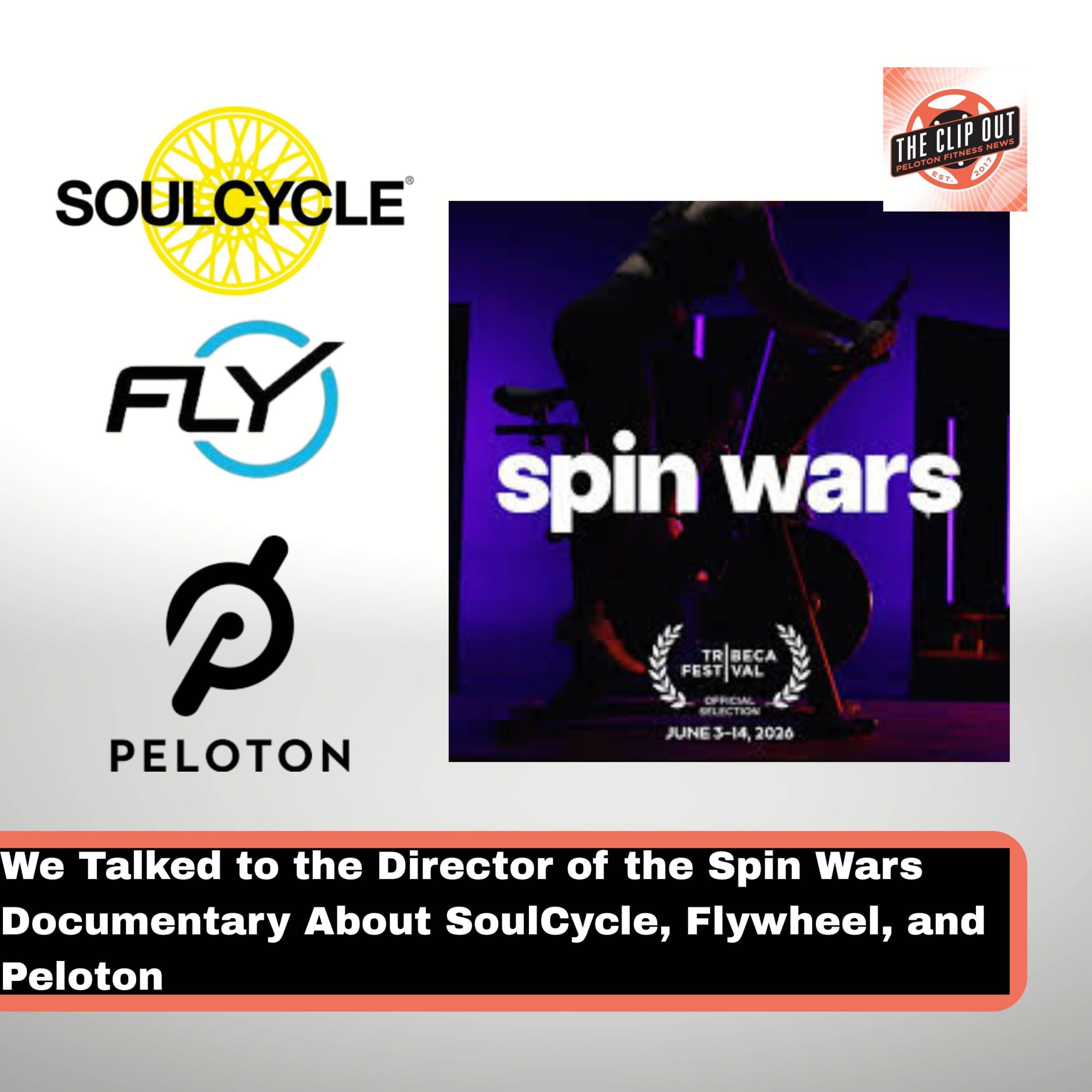
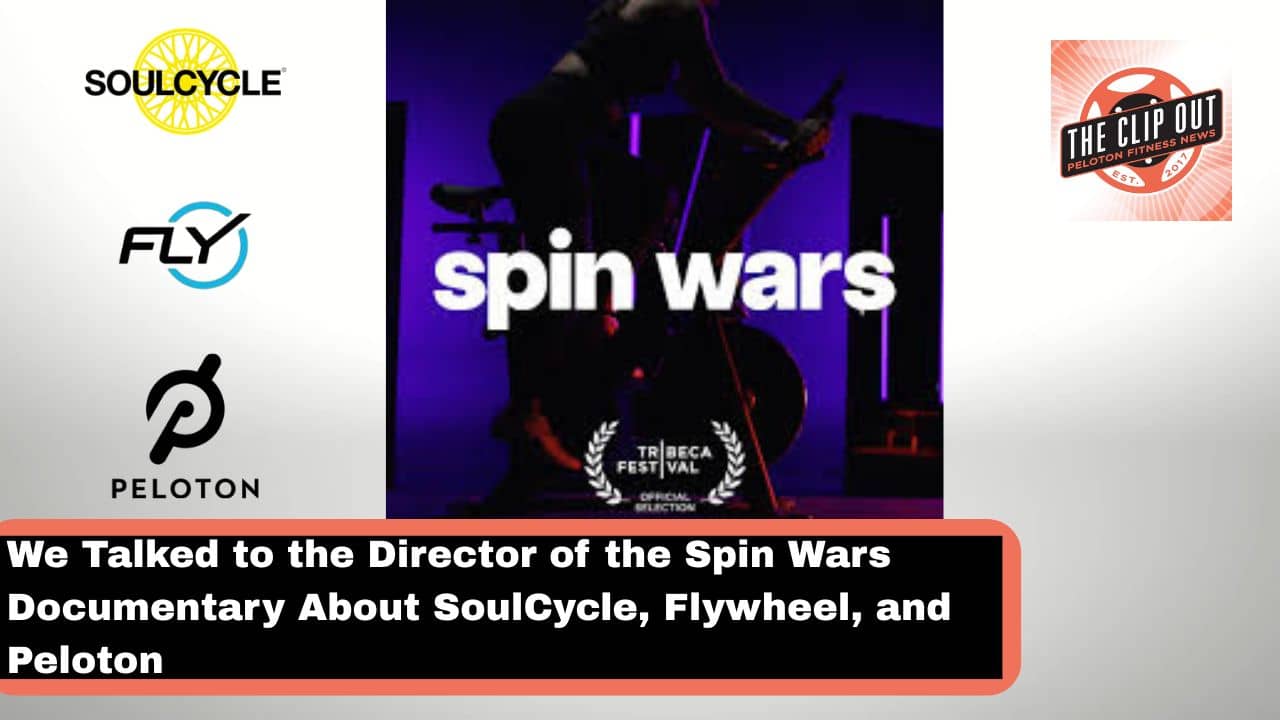
Philip Byron has five Emmy Awards, a Broadway producing credit, and a background teaching spin classes at Flywheel. He is also the director behind the Spin Wars documentary, which premiered at the Tribeca Film Festival in June 2026. Crystal and Tom sat down with Philip to talk about how the Spin Wars documentary came together, what got cut, and what it was really like inside the boutique fitness world that gave rise to SoulCycle, Flywheel, and Peloton.
Philip breaks down how the project started as a series pitch, why it took years to get made, and what it felt like to finally land at Tribeca. He shares behind-the-scenes details about the instructor pay structure at Flywheel, his own experience auditioning and teaching, and why so much compelling material had to stay on the cutting room floor. Crystal and Tom also share their reaction to watching the Spin Wars documentary and why they think the story matters far beyond the world of indoor cycling.
Transcript:
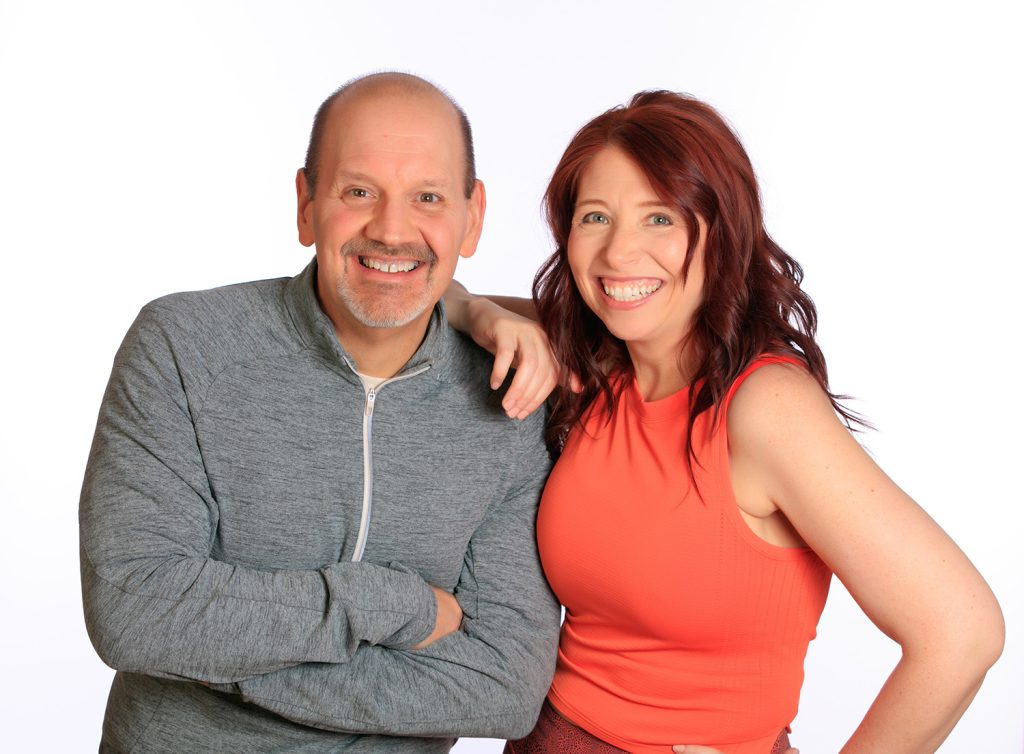
Crystal: Welcome to the Clip Out Podcast, episode 469. This is Crystal O’Keefe.
Speaker 2: And this is Tom O’Keefe. I feel like you’re already in vacation mode.
Crystal: Well, it’s weird to record these out of order.
Speaker 2: Yeah.
Crystal: So.
Speaker 2: We, like, stopped and started four times. I feel like we should’ve left it in. Be like one of those those, like, hip hop songs in the, in the early 2000s when it’s like, “What?
Check my levels. Yo, count me in.”
Crystal: Count me in. Oh, God.
Speaker 2: Remember when they would do that- Yes … on all the songs?
Crystal: Yeah.
Speaker 2: Like, like [00:01:00] we used-
Crystal: Kelly Gole or Gooble or whatever. What was her name? She did that.
Speaker 2: Yeah. Duh, tss.
Crystal: Oh, it doesn’t matter.
Speaker 2: Yeah. But she did one, and Eminem has one where he’s like-
Crystal: I believe
Speaker 2: you
yeah, there’s a, there was like… It was like this whole thing where they’re like, “Am I just supposed to believe like he just or she just wandered into the studio- Yeah … and just was like, ‘I guess I’ll just sing a, sing a song'”?
Crystal: Just real quick.
Speaker 2: Yeah.
Crystal: Just count me in.
Speaker 2: There was no rehearsal or-
Crystal: None …
Speaker 2: or writing time given.
“This just all flowed from me.”
Crystal: It was so cool.
Speaker 2: Yeah.
Crystal: Just easy-peasy.
Speaker 2: What a peek behind the curtain. Thank you, Em or M. Uh, so, uh, we’re out this week. We are in Mexico. This is the week that we told you there wouldn’t be a, a new episode. Yes. There is a new episode- Yeah … but not a traditional episode that you’re used to hearing.
Crystal: Different format.
Speaker 2: So we sat down with the director of Spin Wars.
Crystal: Mm-hmm.
Speaker 2: And it’s a documentary that just played the Tribeca Film [00:02:00] Festival, and who knows? By now, maybe we’ll know if it got picked up and somebody-
Crystal: God, I hope so.
Speaker 2: But he talks about it he’ll talk about it in mo- momentarily, that like they shopped it to Netflix-
Crystal: Yeah
Speaker 2: and Hulu as a series. I just
Crystal: don’t understand how this did not get picked up.
Speaker 2: I know. Uh, because one, I just think this is such a popular thing. You would think they’d be like… I mean, they made a documentary about Lisa Frank.
Crystal: Dude, Lisa Frank was popular.
Speaker 2: Absolutely, but-
Crystal: Don’t you be hating on Lisa Frank …
Speaker 2: but I’m just saying that, like, I think Peloton is as popular and current.
Now, maybe it was the nostalgia angle. I don’t know.
Crystal: But- But, but why did one and not the other? Right. I do agree with that-
Speaker 2: Yeah …
Crystal: for
Speaker 2: sure. And, uh, especially when, like, this story’s got drama.
Crystal: It’s got drama.
Speaker 2: It’s got drama.
Crystal: It’s got so much drama. And- I know. I think we’re gonna have to do a bonus episode if it doesn’t get picked up.
I think we’re gonna have to do an episode where we deep dive about what the actual what the story is-
Speaker 2: What happened,
Crystal: yeah … because there are so many people that are not gonna get to [00:03:00] know the story, and this, this is a good story.
Speaker 2: Yeah, this is a really good story. And-
Crystal: It’s riveting …
Speaker 2: and and like you said, if you get a chance to see the documentary, if it plays somewhere near you, if it rolls out at all or if it ends up on a streaming service, it’s, it’s totally worth checking out.
And I know that, like, a good chunk of it is not Peloton, and so if you’re like, “Oh, I don’t care,” well, you’re wrong.
Crystal: You do care.
Speaker 2: Like, it, this is what led into the creation of Peloton, but again, if you like things getting messy-
Crystal: Right. …
Speaker 2: and who doesn’t? Then this is for you.
Crystal: Agreed.
Speaker 2: So, so anyway, we are in Mexico.
There will be a regular episode next week. We will return to form, whether that’s good or bad for you- … I don’t know. But but we will do all that next week. It’ll be back in its normal time and format. But until then, here is our interview with the director of Spin Wars.
Tom: So joining us today via the magic [00:04:00] of Zoom tube is Philip Byron. He’s a five-time Emmy Award-winning producer, which is only six more than I’ve won, the, and the director behind the upcoming documentary Spin Wars. He’s currently the head of original content at Shadow Lion.
Phil spent nearly a decade at the Spring Hill Company producing over 50 projects for sh- networks like HBO, Netflix, Disney Plus. Also the producer of the Broadway hit Titanique. Phil, welcome to the show. Phil or Philip?
philip byron: thank you for asking.
ClipOutCrystal: Well- No idea.
Tom: Yeah.
ClipOutCrystal: Call me Thomas
Tom: know, I hate when people call me Thomas.
philip byron: Yeah, I
ClipOutCrystal: calls you Tommy. He’s just-
Yeah.
Tom: Yeah.
philip byron: Yeah, Philip, Philip if you’re angry with me, I guess.
ClipOutCrystal: Okay. Okay. We’ll go
philip byron: it, it is my name, and it just looks nicer typed out than Phil. But yes, you can call me, you can call me Phil.
ClipOutCrystal: Well, well thanks for being here.
philip byron: the lovely intro
ClipOutCrystal: Lovely, a lovely intro. Well, it’s so exciting to have you here and to [00:05:00] get to know you. You know, as a person who has watched the Peloton community grow, even without all the backdrop of the s- Flywheel, without SoulCycle, there has been so much drama within just the Peloton world.
And, and I know there’s been a lot, I knew there was a lot with SoulCycle and Flywheel. So when I saw that you were making this documentary, I was so excited to watch this. Like, this is, this is like, I have been waiting for this moment for years to see this, this play out. And I have always thought it’s fascinating because Marian is the, the person who did all the content at Peloton.
So I was really like a little nervous, like, where is this gonna go, and is this gonna make Peloton look bad? But, but let’s start back at the beginning. What made you think, “This is a great story. I wanna tell this story”?
philip byron: Yeah. I love it. So we have to go back to 2020 where a executive, Naomi Wright, [00:06:00] who worked on my team at Spring Hill, came into one of our development meetings and was like, “Should we do a SoulCycle documentary?” Like, the WeWork documentary had just come out. there was gonna be one about HQ Trivia that was coming out. And, you know, all these kind of business rise and fall, like nostalgia content plays were happening. So fun fact I used to moonlight as an indoor cycling instructor,
ClipOutCrystal: Oh
philip byron: Yes. So I used to teach before work, at 6:15 in the morning. You know, would just come into work like, “I’ve already had my whole day going.
I’ve already taught a class. Like, let’s go.” And so when she brought this up I said, “Well, do you know about Ruth Zukerman?” ’cause I always thought that story of Ruth being a co-founder of SoulCycle, then kind of getting, know, erased from the, the narrative and the press was just crazy to [00:07:00] me. And so, you know, called Ruth. And she very willingly was down to do it. And then we really, like, got into it, and that’s then when we, you know, talked to Marian who, you know, I think the two of them really represent what I’ve been calling, like, the godmothers of indoor cycling. And I know there’s a lot of people who did it before them, and it’s- it was happening in gyms all over.
But in terms of that Just that specific vibe of like, you know, a community, creating a demand of, of trying to get, you know, bikes sold out as quickly as possible. The, the Polaroid images, all of that. Like, it really did feel like it started with those two and their, different gyms. And then, you know, we
Tom: They cracked the code
philip byron: the code, and then as we started just really getting into this, more tea came out, if you will. [00:08:00] So that was really how it started, and it was a, a pretty long journey. We were actually developing it as a series, as a multi- multi-part series. And, you know, this business that I’ve been in for a while, it, it has its ups and downs, and I thought this was gonna be a– Do people curse on this?
ClipOutCrystal: Oh yeah, yeah, you
let it all out.
Tom: I, I’m on it, so yeah
philip byron: Okay. I thought this was gonna be like a, “Holy shit, we have, like, four places that wanna do this.” You know, we have the access. The archive is amazing. You know, everyone knows SoulCycle. Everyone knows Peloton. You know, it’s this boutique fitness boom. And I was mistaken. It wa- You know, some of these projects I’ve done quickly, and then others are just, they take a long time to really find their way. and, you know, ultimately decided [00:09:00] the only way that this is gonna happen is if I just, like, really make it. And I have, you know, amazing partners at my old company Spring Hill, which is now Fulwell, and then Feed the Animals who, you know, we all just really like, we’re like, “Let’s, let’s do this thing, and let’s turn it into a doc.”
And my vision board was always Tribeca. It’s such a New York story. All three companies were founded
Tom: Sure
philip byron: know the journalist Alex from Vox says it well. Like, would these things be what they are if it weren’t in New York, you know? And I– Again, like,
Tom: No
philip byron: you all are more o- of a, a Peloton podcast, so, like, I think one thing to me when I was teaching that was a aha moment, my cousin was diehard Peloton pre-COVID. So she was, like, an early adopter. And I remember she was going to New York, and it was like, “I’m gonna see the Empire State Building, I’m gonna see a Broadway show, and I’m gonna go to Cody Rigsby’s class.” And I was like, that’s [00:10:00] crazy that that’s, like, in the list now of things people
Tom: Well, it, it’s funny ’cause, like, we see it in our
ClipOutCrystal: We do.
Tom: we can go into our metrics and, like, the most popular city for this little show we do in our basement in St. Louis, Missouri is New York City, like, by a
ClipOutCrystal: Yeah. Yeah. And, and right behind it, Chicago, Atlanta. But it’s, it’s always been New York is, is the biggest, and always has stayed the biggest. It’s, it’s funny. And, and I think there’s an energy in New York that feeds that kind of, I don’t know, it feeds, it feeds all these people with their dreams and building things in a way that you don’t necessarily see that energy in other cities.
It’s just, it’s a special city. I love New York.
philip byron: It is. It is. And yeah, it’s it’s, I forget who says it in the film, but, it’s a, it’s a cl- a hot club, and if you can’t get in, you wanna be there more. And that
Tom: Yeah
philip byron: York. Not to mention, the price [00:11:00] point of these things, and being in a city where people could afford it at that time. it created that, you know, it really was ahead of its time in terms of the, the pay-per-class model and, and adding, you know, Ruth says it well, like pricing it up, because they were offering a very specific experience. But yeah, so it… the fact that it got into Tribeca was, you know, dream come true. And now that it has a, it’s a complete, you know, story. But it, it was, it was a hard process to, to cut it down to an hour and a half. Like, you know, to… I, I would love to hear more about what you all thought about the film, but just knowing your audience is more about Peloton. Like it, you know, we had to do a lot of the table setting, and so most of the film does live in that, like, early, early days.
And then as all audiences want now, you gotta get into the stuff of which there’s been a lot. And so yeah, the Peloton piece, you know, it, it does probably get the… [00:12:00] Peloton and Flywheel don’t get a ton of screen time just by nature of telling a story in a short amount of time. But it, it was sad to lose some of that stuff for me as, who’s known about these brands and known about the drama and how the word we’ve, we use a lot is spincestuous behind closed doors.
All probably know about this. You’ve probably talked about it, like the Alex Touissant story of was, you know, on the maintenance staff at
ClipOutCrystal: Yeah
philip byron: and then became an instructor and then was poached to Peloton and now is just like a superstar. Like, that, that is not in the movie anymore.
You know, Marian talking about finding Ally Love and Jess King and Cody Rigsby and, like, auditioning them, like, a- all that stuff, which was so good. And maybe it’ll be, you know… It’s why, sad we don’t have DVDs anymore with deleted scenes. But you know, a lot of that wa- was was in there that is, is no longer, sadly.
ClipOutCrystal: What, what is, what is the hardest [00:13:00] part that you cut? Like, what is… Like, for you personally, what are you, like, the most sad you cut?
philip byron: Oh, that is such a good question There’s, there were just, like, lots of good one-liners that had to go, like, which sucked. Like, Heather McMahon, who, for those who don’t know, amazing comedian, used to work at SoulCycle in West Hollywood at the front desk. She is just a one-line machine, but she talks about everyone around in the studio with their spin shoes clip-clopping like a
ClipOutCrystal: On the climb fail Yeah And it just lives in my head
philip byron: If I’m ever walking around in spin shoes, I just now think of myself as a Clydesdale. I’m like, that line. There, you know, Mary Beth Barone, who also worked at SoulCycle, who’s a big comedian and, and you know, on this massive Amazon show now was comparing SoulCycle to a cocaine habit. Which, know, there was just, like, some good stuff like that.
I mean, I found [00:14:00] personally nerding out, found the Flywheel Peloton lawsuit to always be really interesting. We went in, full in on that and, you know, none of that’s in there anymore. ‘Cause again, I think people like us, and probably your listeners, would find that fascinating.
ClipOutCrystal: Oh yeah
philip byron: I don’t know if, like, to get the broadest audience, they would nerd out on a lawsuit between Flywheel Sports and Peloton the way we all would. But yeah, there, there was a lot of stuff that had to sadly, sadly go.
ClipOutCrystal: Did you, did you guys go down the road of like the designers and Eric Valencia and all the, those kind of pe- were you in… Did that come up at all?
philip byron: No, we s- we did not go down that path,
ClipOutCrystal: Okay
philip byron: yeah. Yeah, it was… We also were making this you know, we were putting together, like, a proof of concept. So we only interviewed, you know, so many people, and so Marion really was our Peloton [00:15:00] voice. and then, you know, you see there’s the, we had the voice of the people who use Peloton, like Heather McMahon and Anna Roizman, and the people who were riders. But, you know, we, we t- we’re trying to get an instructor. It was just, we were, we were shooting the whole thing in a very short amount of time spending as little money as possible with the intention of this will be a series, and then we’ll be able to interview a lot more people. And because that never happens, you know, we were faced with making something with what we had in our toolbox and, you know, I’m very proud of what, we were able to make. yeah, we d- we didn’t go down that path with Marion. And I don’t think anyone else who we interviewed would’ve even known about that, honestly, so…
ClipOutCrystal: Yeah. It, we go, we go deep in the weeds of of Peloton, so that story is, is fascinating to me. So when you’re putting this all together and you’re, like, figuring out what you’re gonna in- include, what you’re not gonna include how, how do you approach [00:16:00] all the different people? I’ve always wondered about this, not just for this documentary, but every documentary, because there’s always, there’s always a side that comes off looking not great, and there’s always a side that comes off looking much better.
And so, so when you’re pitching this to these people to interview, how are you… how do you do that? How do you go about that?
philip byron: Yeah. That, I mean, that is taking off the director hat, like, as a producer, that is such a big part of putting these shows together, is getting… I mean, the word that everyone uses is access. It’s just you need the access to the person, which is exactly, Crystal, what you’re saying, of convincing somebody to be down to tell their story on camera.
And it’s, it’s, it’s never easy. I think the biggest thing is if people wanna do it, they’re gonna say yes if they trust you, and, you know, I’m lucky that I’ve made some great docs, so my resume kind of speaks for itself, and a lot of them have very prominent in it. [00:17:00] And at the end of the day, you don’t, you don’t want to do, like, a gotcha thing.
Like,
ClipOutCrystal: Yeah
philip byron: at least the stuff I’ve made. I know there’s tons of producers and filmmakers out there who do that, and there’s definitely an audience for that, and, and people love those types of projects. but for this one, you know, again, it started with Ruth. I just knew her story. I, I, I… You know, it was kind of why I ended up directing this, is we, there was a point where we were meeting with potential directors, and people just didn’t the history of, of this, these brands the way I did.
And so I was just like, I, I feel like I can do this. Down to the, like, working with our production designer to design the interview looks where I was like, “This, I want this to be, like, Easter eggs, like, of all the nostalgia of boutique fitness.” Like, I don’t know if other people would’ve necessarily gotten that just having been someone who’s… [00:18:00] You know, again, I, I taught at Flywheel and Equinox, but I’ve ridden a SoulCycle. I’ve ridden a Peloton. I’ve many Pelotons at people’s houses. I personally don’t have one. But I knew, like, every brand. And then with approaching, you know, Marian, I, she just… Honestly, I think it was one of those, like, it, it’s, like, kind of an unsung hero situation.
She genuinely was like, what? You wanna talk to me about this?” And I don’t know. Like, it, it… After talking to her on the phone and our producer, Jillian, who really kind of led the or- initial convos with her, like, I like, “How, how, how has your story not been out there more?” It was kind of shocking to me.
ClipOutCrystal: It, it is. And, and we should say we watched it last night and loved it. Like, this, this documentary is great. For anyone who loves Peloton or loves spinning in general, you’re going to enjoy [00:19:00] watching, ’cause it’s, it’s a little bit of a history lesson, but, like, not in an eat your vegetables way.
Tom: it’s like a, it’s like a prequel
ClipOutCrystal: It is.
It is
Tom: I, I will also say as someone who loves a good documentary, and this is one is that sometimes the most fascinating ones are where the stakes are low, right? Like, and I don’t… Like, obviously the stakes were very high for the people involved.
This was their livelihood, so I’m not trying to trivialize that. But for the general consumer, it’s like which fitness studio has more people doesn’t really have a dramatic impact on your life. And, you know, it reminds me a lot of a documentary like like King of Kong, where it’s like these people fighting over who’s gonna get the high score in Donkey Kong, and you hear the setup and you’re like, “Who gives a shit?”
And then you start watching it, and
ClipOutCrystal: You are so invested.
Tom: you wanna cut a bitch
philip byron: Uh-huh.
Tom: they do some of that stuff because, and, and [00:20:00] all over Donkey Kong, right? And so you know, obviously most people listening to us have, already have a vested interest in Spin and the history of indoor cycling. But if you have a spouse or loved one who you think isn’t going to enjoy this, wrong. Like, they probably will. In the same way that, like, I never owned a Lisa Frank Trapper Keeper, but the Lisa Frank documentary was
ClipOutCrystal: It was. It was, yeah
Tom: it’ll suck you in. It’ll suck
ClipOutCrystal: I I also have to say that, like I know, like, m- Marian, of all the Peloton instructors, is the one I know the least because she was gone before I joined Peloton. My, my link to Marian, though, is that we have a very dear friend who has passed Howie Goddick, and he… I, I don’t know if you know this story, so I ha- I feel like I have to share it with you.
But he was, he was the, like, spokesperson of Peloton. Like, not in a, an official capacity, but he spread the word of Peloton. [00:21:00] He was a wonderful, wonderful man, and he only knew about Peloton because of Marian. He used to take her classes when she, when she was at The Zone, when she owned The Zone, and she told him about Peloton and got him back into spin.
And he was so sad when Marian left and, you know, he would talk about her just in the most glowing terms, and I was always so sad that I didn’t get to take any of her classes or get to know her. And, and so there would have been no Howie. And, and Howie left such an impression in the Peloton community, in the Peloton world.
It’s, it’s like y- in my mind, you can’t mention Marian without mentioning Howie, for people in this podcast. And and so knowing how that’s all linked and then going back and seeing her story in this documentary, I was, like, ready to, to get up and throw down for Marian. I was so upset in how she was treated.
I was so, so mad on her behalf. Like, ugh.
philip byron: I know. I know. It’s, I mean, that, that’s, I think that [00:22:00] was the going back to just pitching this as a series, it, it was a lot of, well, where, you know, who got murdered? Where’s the, to say it, but, like, where is the, like, sexual abuse? Where’s the, where’s the this? Where’s the that? Like, that’s… You know, it’s unfortunate ’cause we’re all, it, it’s kind of our fault as consumers that these true crime books just become number one every time, and that’s, everyone wants to, like, lean into that, which I, I get. But me personally, story of Ruth and Marian was always, like, in my heart. I was like, “This is a crazy just, like, time period.” It’s about, you know, entrepreneurship. It’s about supporting or not supporting women. You know, it’s, it’s how can you like, community, [00:23:00] which obviously Peloton has done a great job of. And, you know, I think, a, a spoiler early in the film, talking about, for those listening who don’t know, she had this kind of OG studio in the Hamptons called Zone Hampton. and it was the hottest place, and she, she says, I might misquote her but, know, “I wanted to think about replicating that, but I don’t know how you could do that in an authentic way,” which, you know, kind of foreshadows SoulCycle’s journey of scaling very quickly. so I’m happy you wanted to throw down for her ’cause I do, too, and she’s such an incredible, incredible person.
And you know, she’s gonna come to the Tribeca premiere. She’s gonna do the post Q&A, which I’m really excited about. And, you know, I showed a cut to her and Ruth which was a nerve-wracking experience
ClipOutCrystal: I bet
philip byron: I’ve, worked with a lot of directors who do that, and [00:24:00] I’m, as a producer I’m just like, “Oh, good luck,” like, I’m, was… I now was like, “I have to remember that this is, there’s a lot of weight to this for my future projects with, with different directors.” And, you know, was the, I think the best was they both were br- both moved to tears when they watched it separately, and and I think they both, not I think, they both were also very surprised how everything really got fit into such a tight, you know, 88 minutes. Again, we all know the things that weren’t in there, but I think just trying to boil it all down was the hardest part.
ClipOutCrystal: Yeah
Tom: I, I can’t even imagine how cathartic it must have been for both of them to finally be able to kinda tell this story a broader platform, and to just know that at least it will be out there in some capacity after what they have
ClipOutCrystal: As the truth, like the, the record of [00:25:00] truth instead of…
e- because when, again, spoiler, but when you were, when, when we were watching it and, like they were interviewing the SoulCycle founders and they kept repeating the same phrases, the same stories over and over again. You know, that’s the story that people are gonna know unless you do this documentary.
And so I’m, I’m grateful that you did. I’m grateful that it he- it’s here and it exists, and that, that, that, that Ruth and Marian are getting the props they deserve for what they, they started
philip byron: Yeah.
Good
Tom: So what happens now? Like, you play a film
ClipOutCrystal: How does it go?
Tom: like, and then do, does it roll out in the theaters? Do you hope someone throws a bunch of money at you to put it on a Hulu or a Netflix? Or like, what, what’s, what are next steps?
philip byron: goal is that someone wants to, you know, license the film and put it on any, any platform so that [00:26:00] everyone can see it.
Tom: Platform but Crackle, be clear. Crackle
ClipOutCrystal: He’s like, “I’d, I’d, I’d take a Crackle.”
philip byron: up taking forever. No, it’s, it’s, it’s, it’s tough because you know, I don’t know how much you all talk about just, like, the media landscape at all just in general on this
ClipOutCrystal: A lot.
philip byron: it’s, you know, there was this of rush, so much stuff being made you know, by these streamers, and then everyone’s really kind of pulled back and tightened their belts, and it’s, it, it’s hard, you know?
And it’s one of those things too with these projects Unfortunately, there’s only so many places that you can go these days. It’s like small– Like, everything’s consolidating and consolidating and consolidating. And, you know, all these executives at these networks who I know very well, and many of them are, are friends, like, they all are like, “We know, Phil.
You’ve told us about this story.” Like, and it w- And the only thing you can hope is [00:27:00] that like yourselves, like, see it, watch it, about it, you know, then maybe they’re like, “Oh, maybe I should watch that,” know, again. Because before it was just a sizzle reel kind of s- selling the story, whereas now it’s a full film.
But the hope is that there’s four showings at Tribeca, you know that people go and spread the word, and then someone wants to put it, put it up. But I’ve had films that still live on a hard drive
ClipOutCrystal: Oh
philip byron: which is, it’s heartbreaking. I really hope that doesn’t happen with this. But to your point the fact that they are getting to see it a- and they will get to see it in the theater, which you never get to see documentaries in theaters. Like, I’ve only seen a few projects on a big screen, know. And I know a lot of Marian’s OGs on Hampton people are coming, and [00:28:00] it’s gonna be, it’s gonna be fun.
I think the energy will be, be enough that to program this movie
ClipOutCrystal: Gosh, I hope so. I mean, I will, I’ll tell you right now, even though we are going to be out of town the week that this happens, the first couple days that, that Tribeca is happening, which starts June 9th, we were… If we were living in New York, I would’ve gotten tickets. Like, there, nobody could’ve stopped me.
Like, I promise you I would’ve had tickets the second they went on sale. But it’s kinda hard when we live in the Midwest to make that happen.
But I, I-
philip byron: too bec- I’m hap- like y- that you live in the Midwest, ’cause one of the big of feedback we got a lot was SPIN is coastal, and it’s, it’s t- it’s, it’s gonna be too coastal. It’s gonna be too, know, cities or whatever, and it’s not gonna hit a broad audience. And my rebuttal to that always kind of to bring it back to Peloton is like, well, if it was coastal before, like Peloton [00:29:00] certainly made it global.
ClipOutCrystal: Yeah
Tom: Yeah
philip byron: it, it’s, it… Everyone, you know, the, the word IP is used all the time, and I’m like, Peloton is IP. I mean, case in point, you all have an entire podcast built around Peloton. I’ve always with that feedback of it’s coastal. I think there’s another fun in the film talking about, like, the audition process to be an instructor.
And Anna Roysman, who’s a comedian and actually one of my very dear friend from college about when she auditioned and that this girl was in line with her, and she was from Kansas, and she flew to New York to audition. I, you know, I think the, yes, maybe they started on the coast, but there was this kind of like aspiration of people all over the country and the world who aspired to be a P- and to this day, be a Peloton instructor, be a SoulCycle instructor. So yeah, that, I, I’m, I’m happy to hear you’re holding it down for the Midwest, and again, prove that this is not a coastal thing.[00:30:00]
ClipOutCrystal: Definitely not.
Tom: I mean, what’s more coastal than Broadway? But they still show the Tonys on
ClipOutCrystal: Yeah. Hug you
Tom: And they said the same thing about Seinfeld. It’s too New York, right? And th-
ClipOutCrystal: One of the greatest
Tom: ultimate irony, the reason they left Seinfeld, and Seinfeld tells the story, the reason they left it on the air is ’cause it was performing, it was winning its time slot every week in one market that wasn’t New York City.
That market, St. Louis, Missouri.
philip byron: Boom.
ClipOutCrystal: I, we don’t have much, but we’ve got that.
Tom: But we’ve got that. We’ve got that. So, but ultimately, regardless of that, it’s back to it’s just a, it’s just a fascinating
ClipOutCrystal: is.
’cause it has nothing… Like, even if you take spin out of it, I know it’s in the title, so you shouldn’t take spin out of it, but, but like, it, it’s a great story because… Go ahead, Tom. You f- you finish that. I’m sorry. I totally interrupted you.
Tom: yeah, no, I mean, it’s like you, you know, it’s one of those stories [00:31:00] that it sucks you in regardless of whether or not you care about the core topic in the way that so many of the best documentaries do, right? And so yeah, I just, I, that just seems remarkably shortsighted
philip byron: Well
Tom: on the behalf of the people with the money.
ClipOutCrystal: He’s like preaching to the choir.
philip byron: I mean,
Tom: Yeah
philip byron: Grande did an entire music video on spin bikes. Like, I don’t know how, like,
ClipOutCrystal: Good point. Good point.
Okay, so I wanna go back a second. You said you were a spin instructor at Flywheel. So now I know SoulCycle’s audition process was insane. What was Flywheel’s like?
philip byron: Oh, fun. Yeah, that, it kind of was similar. I, again, I don’t wanna spoil too much about in the movie. I think SoulCycle, for people who don’t know, there’s this very elusive training program that if you get in, it’s, it’s eight weeks long. And, you know, again, other’s kind of texture and details we lost is there was a big thing [00:32:00] where you had to get to New York on your own, you had to put yourself up and like, yeah, that, which at that time, I think they changed it where folks started getting paid like minimum wage to be in the training program.
But in the early days you had to get there, put yourself up, and also like find side hustles to make money, which is hard to do when you’re in tr- you know, training all day. So,
Tom: Yeah
philip byron: I kind of also experienced that in a weird way, Flywheel, where one of my dear friends, shout out Lainey Cola, was a teacher at Flywheel, and I got to ride for free, which when I was like, not, you know, making much money in my 20s and could go to this class for free, I was like, “Hell yeah.” And the thing that hooked me was the data, was the score,
ClipOutCrystal: Yeah
philip byron: every listener here [00:33:00] understands that ’cause of Peloton.
Tom: For sure
philip byron: obsessed with that. Like the g- g- I just wasn’t always put- I never really put myself on the leaderboard ’cause I forget Peloton if, I know you’re, you see the rankings, can you like choose to be visible or invisible?
ClipOutCrystal: You can choose to hide it from yourself, but I think you’re always on it if you’re in a live class. I don’t think there’s… Yeah, yeah. But if you take, like, an on-demand class, you, you, nobody’s seeing you. So
yeah. You can still see where you would fall in it.
Yes
philip byron: have only done, like, I’ve been in the studio at Peloton maybe twice. but yeah, I haven’t really done a live class on the bike. I don’t know why.
ClipOutCrystal: Oh,
philip byron: that,
ClipOutCrystal: you do. You do.
philip byron: But I got obsessed with the score, and just this metric of, like, I need to meet or beat the score. you know, then started taking other teachers, as like we all do, and you start finding other people you really like. A- and [00:34:00] one day Lainey was telling me they’re gonna have auditions, they need more instructors. They especially need more male instructors. And she was like, “You should maybe try it.” And it was wild. I Literally, like, couldn’t sleep that night, and was like, “I guess I’m gonna do this thing.” And it was kind of similar to the SoulCycle experience that we talk about in the film, where everyone shows up, 35, 40 people. Some people in full face of makeup, which I thought was very wild. I get it, but I was just like, “We’re sweating.” And
Tom: the job you want.
philip byron: exactly. And it was really just to see if you could ride to the beat, which a lot of people can’t,
ClipOutCrystal: Yeah,
I’m one of those people
philip byron: So they would just, they had the instructor bike, and they just would call, you know, they’d be like, “Crystal,” and like some- they would put on a song and just see [00:35:00] if you could find the beat. And then would have you, like, get out of the saddle and see what your form was like. And that was it. And what was wild is based off of that, I think, of those 35, 40 people, like, six of us were picked to go to then the, like, training program. And we trained with… Also, they were opening a studio in Seattle so they did bring people down.
They did fly them down and did put them up as you should. And it was five days, and I’ll never forget, I went into my boss at my TV exec job, day job, and was like, “I need to take a week off.” he’s like, “Oh, where are you going?” Or like, “Are you tr-” And I was like, “I’m going to train to be a spin instructor.”
And he’s like, “You’re the only person I know who would use vacation to go train for some other job.” He’s like, “Is this gonna interfere, is this gonna interfere with work?” I was like, “Nope.” [00:36:00] he’s like, “Godspeed.” And it was, it was kind of like a pretty intense in that you, you know, day two it would be like, “Sorry, Tom’s not here anymore.” Like, it was throughout the week, people would just not come back.
ClipOutCrystal: Oh, wow. Yeah
philip byron: it was very much like Survivor, and it got all the way down, I can’t remember the numbers for Seattle, but it got down to it was just me and my still to this day friend Monica were the only two who became instructors out that.
Tom: Hey, here, here’s your pitch for Spin Wars 2. It’s Peloton and you, you get a, they’re looking for their next instructor and they just winnow it down
philip byron: Yep, yep so and, you know years later Camilla, who I know now ri- teaches on Peloton,
ClipOutCrystal: Yes
philip byron: she was a Flywheeler. So we, we overlapped as teachers for a while. But yeah, it was pretty [00:37:00] cutthroat. The thing also that was in the f- in the, like we have but we didn’t put in the movie is just all about, and this is probably not the case as much with Peloton, but just where you get put on the schedule and being set up for success or not. ‘Cause you have to, you know, build your following. And I remember that my first class was on Fridays at 6:00 PM in West Hollywood, and I was like 28 and I’m like, “I don’t wanna be working out on a Friday at 6:00 PM.”
ClipOutCrystal: Right
Tom: That’s like being a stripper on the lunch shift
philip byron: correct. Correct. And it was tough. And then they’re like, “Oh, your classes aren’t really, like, selling.”
And I’m like, “Well, yeah, no shit, it’s Friday at 6:00 in West Hollywood.” Like, by the way, I was having to, like, leave my job, and this is, you know, back when you had to be in the office, like, all like when things weren’t as flexible. And I remember when I got my Spring Hill job being like, [00:38:00]”By the way, on Fridays I’m gonna need to leave at 5:00.
Is that okay?” Like, thinking that it was gonna be a big thing. And they were like, “Yeah, it’s fine.” But it just, I was like, this is a hard time to, like, get people to come. And so then I said, “Well, you can’t build…” So there was, there’s a lot of politics around that. I don’t know if Peloton instructors feel that as well because of the on-demand nature.
I feel like that’s a little bit different ’cause you could technically discover somebody, but maybe they do feel that
ClipOutCrystal: I
philip byron: Like, a Saturday at 9:30 is, like, a peak time
ClipOutCrystal: I definitely, I’ve heard some rumblings from instructors, like little comments that have been made when I’ve been near them or talking to them, and I’ve heard things like, you know, that, that, like, “I deserve a better time because I don’t get to, like, I don’t, I don’t get the live classes.” Or some, some instructors will have a lot of on-demand classes.
They’re teaching straight to camera. They don’t have anybody in their classes, and it’s like, obviously when you’re perf- performing, you’re, [00:39:00] you’re feeding off of people’s energy, so it takes a lot more out of you to be really engaged when there’s no one to engage with. And so I think
philip byron: and I talk about that all the time of like, And I don’t, you guys would have to keep me honest, like I always remembered there being people in the studios until COVID,
ClipOutCrystal: Mm-hmm.
philip byron: we would be like, “God,” like we’re, you know, it’s, it’s humbling to teach to three people, which
ClipOutCrystal: I am done.
philip byron: And you still gotta give a great experience and a great workout and a great playlist. when they were doing the Peloton classes to emp- in empty studios, I was like, “This is intense,” like that they have to do this.
ClipOutCrystal: What, what’s even crazier is that people prefer it at home. Like, there are people that are like, “I don’t want all those people distracting me from the instructor.” And I’m always like, “That’s crazy. I love their energy coming through the screen.” Like, that’s, that’s-
Tom: when the, the [00:40:00] whole idea was to replicate the vibe of a
ClipOutCrystal: Yeah
Tom: and then wh- when they shift to COVID, they had this influx of people, and they came into a world that didn’t have people in the class. So when they started to reintegrate them, it wa- it was a culture shock for them even though it was a return to form for a lot of people.
So it’s, yeah, it’s fascinating. But yeah, it’d be like doing stand-up with four people
ClipOutCrystal: Yeah. I can’t imagine. I can’t imagine
philip byron: you know, when you get put in a good spot, I remember, like, one of the first times I had a sold-out class was around Thanksgiving, ’cause a lot of people would go out of town, of
ClipOutCrystal: Sure
philip byron: you know… By the way, there’s never a more packed time than Thanksgiving, FYI, like, across the board.
It just, I think, says something about It’s like, let’s sweat before we, like, eat a lot of food. but [00:41:00]that, there, like, that was like, you know, 50 bikes all sold out, and was a- it’s a, it’s a very euphoric experience. And, know, off of what you were saying about these instructors not getting put in the right spots, like, you then see how from that moment, you know, four or five people are like, “Wait, I wanna start taking your class.”
And I’m like, “Do you wanna ride at 6:15 AM? ‘Cause that’s when I teach.” Which so you know, it, it, it’s this, this kind of politics of where you get put to this kind of, like, whole, like, are you a star instructor? Are you… ‘Cause at the end of the day, as we know, it’s a business, and you’re- it’s about getting butts on bikes.
You know, in Peloton’s case, you know, I imagine it’s a lot about the data of how many people are taking the live class, how many people are streaming it, connecting with them. And it, it’s, it’s a weird thing because it’s hard to not take it personally. Y- ’cause [00:42:00] it, at the end of the day, like a representation not of, like, your work.
Like, are you a good writer? Are you a good, you know, are you good at, like, selling insurance, or are you good, are you a good lawyer? It’s like, are you, like, a good personality?
Tom: Yeah
philip byron: an odd thing to be judged for. And, you know, one thing we talk about in the doc is, like, you’re incentivized to bring people in.
And so I think because I had a full-time job, I never got, like, in it, in it. But yeah, you’d see, like, I would see, like, teaching after me, like, be like, “Tom, why were you not in class yesterday?” And I’m like, “This is intense.” Like, making Tom feel bad, like, but it’s, you know… know how the pay structure works at Peloton, but, know, it, we did, again, another thing that not, is not in the doc, at Flywheel it was all about these tiers.
And I feel like I can say this ’cause they no longer [00:43:00] exist. RIP,
Tom: We what we’re gonna do
philip byron: I love Flywheel.
ClipOutCrystal: Yeah
philip byron: they would do tiers of if you had 1 to 17 people, you got paid this much.
ClipOutCrystal: Oh
philip byron: to 34 people I, I’ll just tell you all what the– I don’t know if this was for everybody, but this is what it was for.
Here’s some exclusive
Tom: Ooh
ClipOutCrystal: Ooh.
philip byron: I’m like, I don’t think there’s any problem with me sharing this, but think it’s in- interesting to think about it from, like, the business standpoint. So if you had zero zero, one person to 17, you got paid 40 bucks. 18 to 34, you got paid 100 bucks. So right there, that’s a pretty big increase,
Tom: Yeah
philip byron: was where, again, the incentivizing.
If I looked and I had 17 people in my class, you better believe I was trying to find that 18th [00:44:00]person
ClipOutCrystal: Sure
Tom: Yeah, ’cause I was thinking it was odd that it’s not
ClipOutCrystal: Yeah
Tom: That it should be like, and you get, you know, after 17 you get $3 for each additional person. Because
philip byron: SoulCycle started to do, is
ClipOutCrystal: Ah.
philip byron: per bike. But I also, I have to look back at the transcripts of some of these interviews. Like, I think it was like a, as much as you’d think. It was like they got a base, and
Tom: Yeah
philip byron: 50 cents per bike or something
Tom: like if, yeah, if you’re at 17, you’re really incentivized to get that 18th, but if you’re at 20, not incentivized at all
philip byron: 35 to sold out, you got $200
ClipOutCrystal: Oh, wow
philip byron: Which to make $200 in an hour,
ClipOutCrystal: Yeah.
philip byron: great.
ClipOutCrystal: Yeah
Tom: Yeah
philip byron: And that was such an interesting thing to see of how are people getting people to come to their class, which is a lot about connection. And [00:45:00] another thing that I keep talking about stuff that’s not in the film, and now I’m answering your question, Crystal, as we’re… Was about, you know, these, these companies started to kind of rise with Instagram
ClipOutCrystal: Right
philip byron: social media, and the fact that you could slide into someone’s DMs, and be like… I mean, people would do this, be like, “You okay, Crystal? Haven’t seen you in class for a while.”
ClipOutCrystal: They would do that to their clients? Like the people… Oh my gosh
philip byron: yeah, and that I think is this weird, are you doing that because you actually care about Crystal’s wellbeing, or are you doing that because it’s the difference of you getting 40 or $100?
Tom: You need that 19th bike. Yeah
ClipOutCrystal: Well, and then on the SoulCycle side, I don’t know if it was like this on the, the Flywheel side, but in the documentary you did talk about the fact that people who came in also, it, it was, they were kind of [00:46:00] treated… They, they were almost treated like they, they were celebrities and they wanted to be around those, those instructors, and it was also a popularity contest.
The, the comment that was made was like, it’s, “You’re… If you’re not making them want to be you or have sex with you, then you’re doing it wrong,” or something like that. Was-
philip byron: wanna be you or fuck you, you’re not doing it right
ClipOutCrystal: was there that kind of vibe at Flywheel too? Because that is one thing Peloton is not. Like, they’re… I’m not
philip byron: I, I think, I think Flywheel and Peloton were kind of similar types of people
ClipOutCrystal: That’s the gist I’ve always gotten. Okay. Yeah
philip byron: because it was, you know, it’s funny ’cause Ruth was a part of both Soul and Flywheel. Then Marian, you know, was part of Flywheel for a moment and Peloton, and I think just the data piece, it, it just m- that’s a different type of person. [00:47:00] Like, if you wanna track your metrics and you wanna compete with yourself or with other people, I just think that that’s a different type of than what SoulCycle’s thing was like unplug
Tom: party.
philip byron: find the beat
Tom: Yeah
philip byron: in the music.
And when I taught, I mean, again, and I’ve taken a lot of SoulCycle classes, and you know, friends would be like, don’t, like, I don’t wanna look at that tech pack and, like, have that in my face. Like, I just wanna get, like, lost and, like, cry to Coldplay.” And I’m like, “Okay.” Like I, I don’t, like, I think that’s just, again, it’s, like, a different thing.
And Corey, who’s in the doc, you know, worked at SoulCycle corporate and, and talks about that, about Peloton, know, coming to market and everyone at SoulCycle, like, rolling their eyes at Peloton,
ClipOutCrystal: Uh-huh.
philip byron: a different experience. It’s, it’s going for a different type of [00:48:00] person.” But that was something, you know, Ruth talked about is SoulCycle became this kind of, like, more exclusive thing.
Like,
ClipOutCrystal: Yeah
philip byron: are you cool riding in the front row? You know, who’s allowed in the front row? some instructors had lists of who could be in the front row
ClipOutCrystal: No
philip byron: And Flywheel was very much, you know, more of like inclusive know,
ClipOutCrystal: It’s,
philip byron: and
ClipOutCrystal: it’s so funny.
philip byron: is similar
ClipOutCrystal: I, I w- I saw Soul s- SoulCycle for years because even, even here we had them in the middle of nowhere. And I never was attracted to their brand. I- it’s like so anti who I am, and like you can feel the exclusive, exclusive-ness that, that… You can feel it coming off of them. In the same way you can like, you go into a mall and there used to be like Abercrombie & Fitch, you know?
And you could just [00:49:00] feel that vibe coming off, and it’s like I, I’ve always just kind of rejected that sense. And so I had no interest in ever taking any of those classes, and that’s… It’s funny to me that they, that so many people were kind of like, “Oh Peloton, what are you doing?” Because that’s… I’ve always wanted to be a, an athlete.
I’ve always wanted to exercise on a regular basis and be part of this thing. And it wasn’t until Peloton came along that I actually felt included. I actually felt seen. I actually felt like, “Oh, they get it,” in a way that I never had at any other gym, any other location. And so I just, I, I, I just, my body just rejects everything SoulCycle.
Like everything in that movie, everything in the documentary was just ugh toward them, just bleh. At, at least after they became like that
philip byron: listeners who maybe dabble or are also do SoulCycle, like it, again, like I, I, I think it tapped into something
ClipOutCrystal: [00:50:00] Definitely
philip byron: That where people did. Everything, I guess, Crystal, that you kind of rejected
Tom: Yeah
philip byron: other people, you know, embraced. And think what I also loved so much about Marian i- is her just ability to kind of acknowledge the success they did in terms of marketing and, how she was like both annoyed by it, but also like good on you, and like they figured it out.
And think that takes, you know, a very humble, human being to be able to kind of acknowledge and reflect that way on it. ‘Cause you know, at that era, and I lived in New York City like 2009, ’10, and ’11, like it, it was a thing to, to be, you know, bike four on a Saturday at 9:30. And, you know, when I moved out [00:51:00] LA and my first job out here where it was like this big open office floor plan, I remember everyone’s Outlook alarms going off on Mondays at 11:55. It was wild to book And I’m new to this company and trying to meet people, and you better believe went to a SoulCycle class with all the like fun, fit, cool girls at my company. And it, there, so there is something about the, again, the wanting to belong and feel seen, which is a big theme in the film, I think the question becomes when you go in, do you drink the Kool-Aid?
Do you lean in? Do you love the experience or do you not? And that is for you to decide what, where you, where you find
Tom: Yeah.
philip byron: your fitness experience.
ClipOutCrystal: Where are you gonna land?
philip byron: Yeah
Tom: Yeah. [00:52:00] Well, Phil, thank you so much for, for taking time and talking to us a little extra long. This has been fascinating. So I- so just to recap, you’re at the Tribeca Film Festival, but we don’t know quite yet where this will land for, for those of us in flyover country
philip byron: we do not know yet, but,
Tom: Okay
philip byron: you
ClipOutCrystal: Crossing my fingers it’s gonna go well.
philip byron: yeah, cro- cross the
Tom: Yeah
philip byron: the toes. But yes,
Tom: Well, you’ll have to be sure
philip byron: you said you have a lot of New York listeners
Tom: Mm-hmm. Yeah
philip byron: June 9th, 10th, 12th, and 13th. can just get a ticket on the Tribeca website. And yeah, it’ll be a, it’ll be a fun time
ClipOutCrystal: Wonderful
Tom: And then whenever w- w- when it hits broader,
thinking
ClipOutCrystal: Okay.
Tom: I learned that from o- one of the
ClipOutCrystal: Yes. What’s it called?
Tom: You’ll let us know so we can let people know
philip byron: will let you know. And I appreciate you
Tom: Awesome
philip byron: out and even, like, talking about it early [00:53:00] on. I had, like, a few friends send me your episode where you talked about this when it was announced.
ClipOutCrystal: So stoked. You just don’t even know.
philip byron: Yeah. And thank you for watching it, and yeah, tell, people ’cause I think,
Tom: And w- where can they find you and or the film on socials in case they wanna keep track?
philip byron: Wars Movie on
Tom: Come?
philip byron: I, I am not on socials. I am on LinkedIn if you
Tom: You’re such a grownup.
philip byron: I know. I
Tom: So very grown up
philip byron: Yes, so please, please follow. That’s where the news will be posted as well. And we’re gonna start rolling out hopefully some more clips and things for people to see as we get closer to the festival
ClipOutCrystal: Wonderful.
Tom: Well, thank
ClipOutCrystal: Yes,
it has. Thank you. Great to meet you, too.
[00:54:00]
The Clip Out is an independent Peloton news site with reporting, analysis, and community insights. We deliver breaking updates, feature reporting, and expert context on the stories driving the community and the industry.
Our weekly podcast offers deeper conversation and perspective, and you can find us on Apple Podcasts, Spotify, iHeart, TuneIn, and YouTube Music. You can also follow us on our socials on Facebook, Threads, Instagram, BlueSky, and YouTube.
See something in the Peloton universe that you think we should know? Visit us at theclipout.com and submit a tip.
About the Author: Crystal OKeefe

Latest Podcast

Subscribe
Keep up with all the Peloton news!