
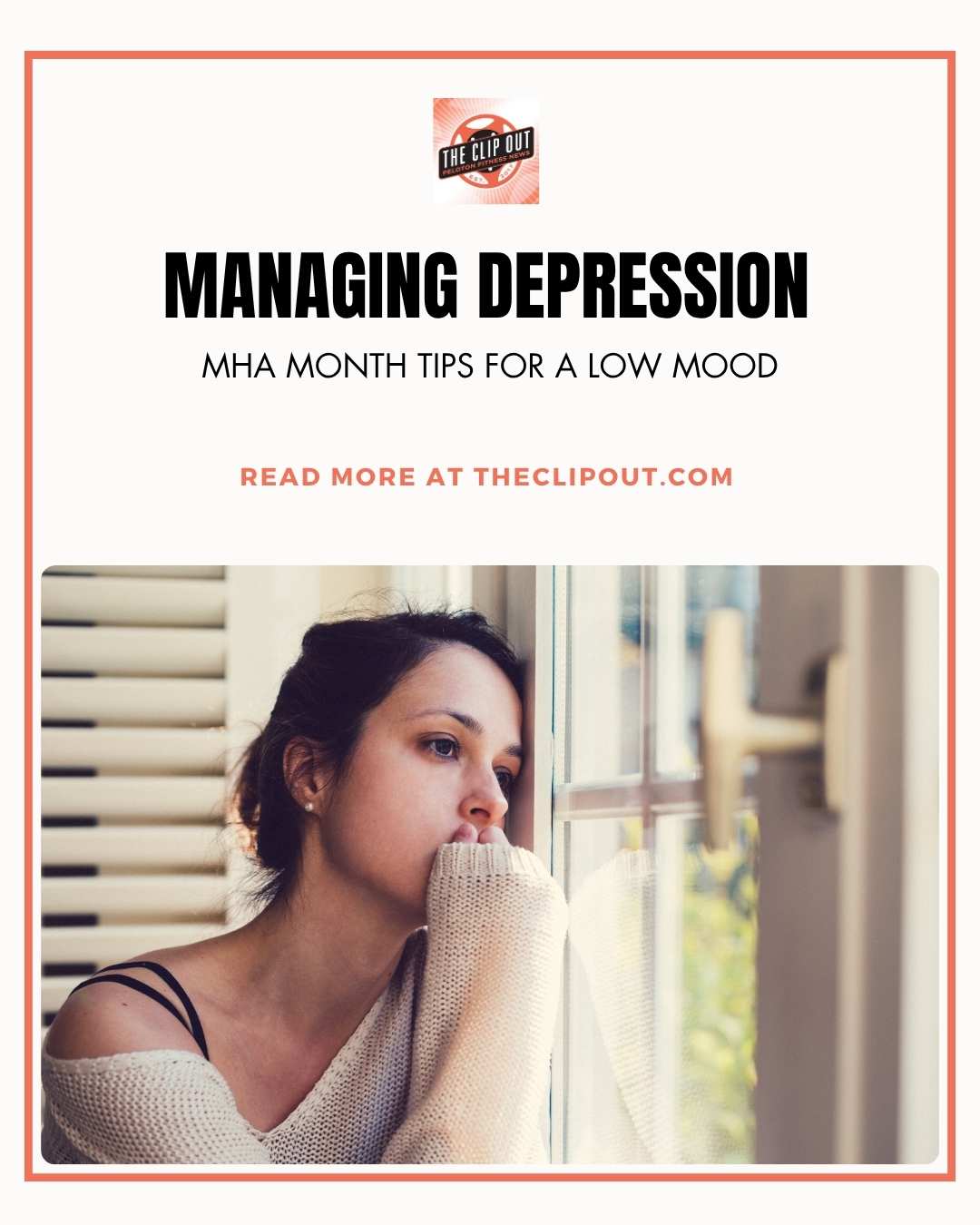
Managing Depression: Tips for Bad Days
Managing depression starts with understanding what it truly is. Depression is more than just feeling sad for a day or two. It is a longer-lasting state where you may feel low, tired, unmotivated, or disconnected from things you usually enjoy.
Sadness, on the other hand, is a normal emotion that comes and goes. It might follow a tough workout, a stressful week, or a life event. Depression tends to stick around longer and can affect your sleep, energy, focus, and overall outlook.
For Peloton members, managing depression can feel especially challenging when workouts that once felt energizing start to feel like a chore or you start to ignore your usual workout schedule for more than a few days.
Mental Health Awareness Month is a good time to check in with yourself and build small habits that can help support your mood. Consider taking one of Peloton's special MHA classes this month.
Managing Depression With Simple, Supportive Habits
Managing depression does not require huge changes all at once. Small, consistent steps can help shift your energy and outlook over time. Here are six approachable strategies to consider.
1. Try Behavioral Activation
One of the most effective ways of managing depression is something called behavioral activation. The idea is simple. When you feel low, you are less likely to do things. But doing less can actually make you feel worse. Doing more – especially things that you used to enjoy or that encourage achievement, accomplishment or learning something new – can actually start you on a road to feeling a bit better each time.
Start small. Choose one activity each day, even if you do not feel like it. Perhaps it's cleaning out a closet or doing a DIY project that has been waiting for you. Maybe it's coffee with a friend you haven't seen in a long time. It might be taking an online class or joining a Peloton challenge. Action often comes before motivation, not the other way around.
2. Move Your Body in a Way That Feels Doable
Exercise can play a powerful role in managing depression, but it does not have to be intense. Even gentle movement can help improve mood by releasing feel-good chemicals in your brain.
As a Peloton member, consider shorter or more relaxed classes when you are feeling down. A beginner ride, an extra steps walk, a dance cardio or stretch session can be enough. The goal is consistency, not perfection.

3. Practice Gratitude
Managing depression can sometimes mean retraining your focus. Gratitude is not about ignoring hard things. It is about intentionally noticing small positives.
Try writing down three things each day that you are grateful for. They can be simple, like a good song, a supportive friend, or finishing a workout. Over time, this can help shift your perspective. Need a place to do this? Consider downloading a gratitude app, like "3 Good Things". You can get a reminder in the evening to think back on your day and look for the little wins.
4. Stay Connected, Even in Small Ways
Depression often makes people want to withdraw, but connection is important for managing depression. You do not have to plan a big social event.
Send a quick text, join a live class and send some high fives, or check in with a friend. Even small moments of connection can help you feel less alone.
5. Create a Simple Daily Routine
Managing depression becomes easier when your day has some structure. When everything feels heavy, even basic decisions can feel overwhelming.
Try building a loose routine, create a schedule for the day or use a list. Wake up at a consistent time, plan small activities, and include some form of movement or rest. These small anchors can provide a sense of stability.
6. Be Mindful of Your Self-Talk
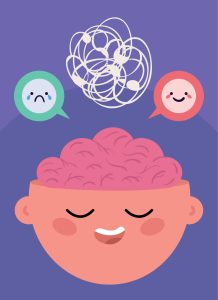
Managing depression also involves noticing how you talk to yourself. Negative thoughts can become automatic, especially when you are feeling low.
When you catch yourself thinking something harsh, try to gently question it. Would you say that same thing to a friend or a child? If not, see if you can reframe it in a more balanced way. If the reframe is hard, how about "I am having the thought that . This reminds us that it is just a thought and not necessarily a truth or fact. This takes practice, but it can make a meaningful difference over time.
When to Seek Additional Support
Managing depression on your own is not always enough, and that is okay. If your symptoms are lasting for weeks, affecting your daily life, impacting relationships or making it hard to function, it may be time to talk to a licensed professional or a physician.
Support can come in many forms, including therapy, support groups, or medical care. You do not have to navigate this alone. Want some ideas on finding help? Click here for more info..
Final Thoughts on Managing Depression
Managing depression is not about forcing yourself to feel happy. It is about taking small, steady steps that support your well-being. Whether it is getting out for a short walk, writing down a few things you are grateful for, or simply sticking to a routine, each step matters.
During Mental Health Awareness Month, remember that your mental health deserves care, patience, and attention just like your physical fitness.
The Clip Out is an independent Peloton news site with reporting, analysis, and community insights. We deliver breaking updates, feature reporting, and expert context on the stories driving the community and the industry.
Our weekly podcast offers deeper conversation and perspective, and you can find us on Apple Podcasts, Spotify, iHeart, TuneIn, and YouTube Music. You can also follow us on our socials on Facebook, Threads, Instagram, BlueSky, and YouTube.
See something in the Peloton universe that you think we should know? Visit us at theclipout.com and submit a tip.
About the Author: Liz Nikol (#JustAskForHelp)

Latest Podcast


Subscribe
Keep up with all the Peloton news!