
Critical Protein Powder Shortage: What You Need to Know
Protein Powder Shortage Is Hitting Recovery Plans
Whey prices are up more than 50% and supply is tight through year-end. Here is what you need to know.
If you have noticed your protein powder getting more expensive or harder to find, the timing is not coincidental. The protein powder shortage affecting the U.S. market in 2026 is real, well-documented, and not resolving quickly. For Peloton members who rely on protein supplements to support recovery after Strength sessions, Bike and Tread workouts, and Row classes, the effects are already showing up on shelves and in budgets.
What Is Behind the Protein Powder Shortage
Two forces collided to create the current supply crunch. First, consumer demand for protein has surged across the board. According to the International Food Information Council, 70% of Americans now want more protein in their diets, up from 59% four years ago. Protein has moved from the supplement aisle into everyday grocery products, putting pressure on the same whey supply that fitness consumers have long relied on.
Second, the widespread adoption of GLP-1 medications like semaglutide has created a new category of protein demand. Roughly 12% of the U.S. population is now using these drugs for weight management. Because users can lose 25 to 40% of their body weight as lean muscle mass, healthcare providers are recommending higher daily protein intake to preserve muscle. Whey remains the preferred source due to its complete amino acid profile and fast absorption. That medically driven demand has layered on top of existing trends, and supply infrastructure was not built to absorb the combination.
The result: whey protein concentrate and isolate are in critically short supply. BellRing Brands, owner of Premier Protein and Dymatize, confirmed on an earnings call that whey prices have reached “historic highs,” with some suppliers sold out through the end of 2026. Relief is not imminent. New processing facilities are under construction but most analysts expect meaningful supply improvements no earlier than late 2026 or 2027.
How Much Prices Have Climbed
The numbers are significant. Finished protein products have seen increases of 50 to 110% compared to 2024, according to industry data. Whey protein concentrate recently topped $11 per pound based on USDA data reported by Men’s Journal. Whey protein isolate, the premium form used in higher-quality products, is now sitting firmly in the $12 range, levels the market has not seen before.
A 5-pound tub that ran $50 to $60 two years ago may now cost $80 or more. Some brands are quietly reducing serving sizes rather than raising prices outright. Budget options are being reformulated with cheaper alternatives like soy and pea protein to manage costs.
Why You May Be Impacted
Protein is not incidental to a serious training schedule. After heavy strength work, sustained tread efforts, or back-to-back rowing classes, the body needs amino acids to repair muscle and support recovery. Members doing multiple high-intensity workouts per week are not occasionally reaching for a protein shake. It is a built-in part of the weekly routine, with a real line in the household budget.
The protein powder shortage complicates that routine on two fronts: cost and availability. If your preferred product is backordered or significantly more expensive per serving, it disrupts the recovery strategy your training depends on.
What to Do About It
The most practical adjustment is treating whole-food protein as the foundation rather than the supplement. Eggs, Greek yogurt, cottage cheese, chicken, canned tuna, and salmon all deliver complete protein at costs that are not subject to the same supply pressures. For plant-forward members, lentils, edamame, and tofu are reliable contributors. The goal is meeting daily protein targets through food first, with powder filling gaps rather than carrying the load.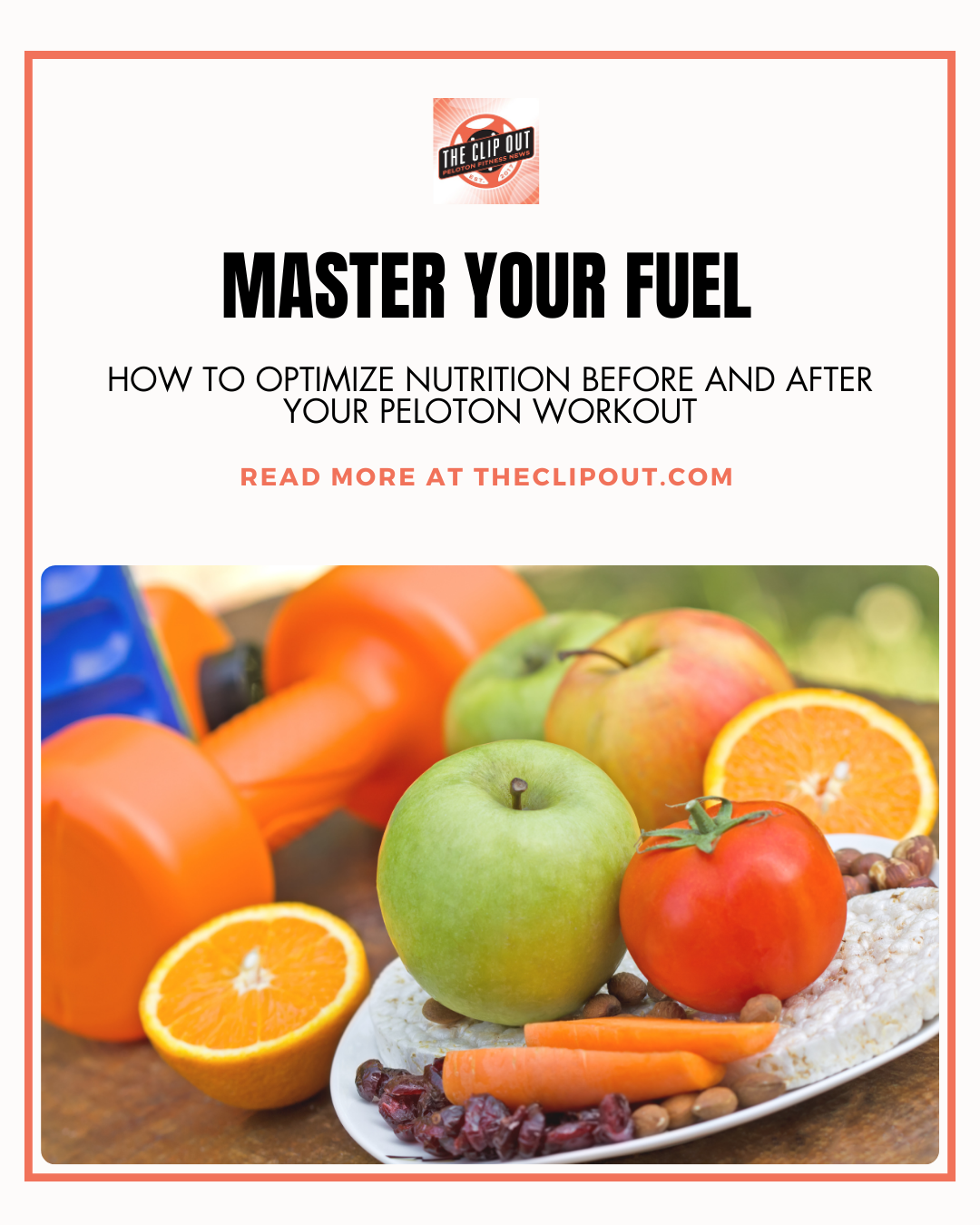
The Clip Out recently shared tips for fueling in this article.
If you want to keep a protein powder in your routine, pea and rice protein-based products are holding steadier on price than whey and are worth considering as a temporary alternative. If you find a whey product you trust at a reasonable price, buying a larger quantity now is a reasonable hedge given that supply is expected to remain tight for months.
The shortage is a market condition, not a training crisis. Members who adapt their recovery nutrition now are not compromising their progress. Supply should improve by late 2026 or into 2027 as new processing capacity comes online.
Will this shortage affect your training and recovery?
The Clip Out is an independent Peloton news site with reporting, analysis, and community insights. We deliver breaking updates, feature reporting, and expert context on the stories driving the community and the industry.
Our weekly podcast offers deeper conversation and perspective, and you can find us on Apple Podcasts, Spotify, iHeart, TuneIn, and YouTube Music. You can also follow us on our socials on Facebook, Threads, Instagram, BlueSky, and YouTube.
See something in the Peloton universe that you think we should know? Visit us at theclipout.com and submit a tip.
About the Author: Elizabeth Schlosberg

Latest Podcast


Subscribe
Keep up with all the Peloton news!