
Peloton Microstores Driving FY2027 Expansion Plans
CEO Peter Stern says smaller-format stores are significantly more efficient than traditional inline retail, and the numbers are backing a larger rollout.
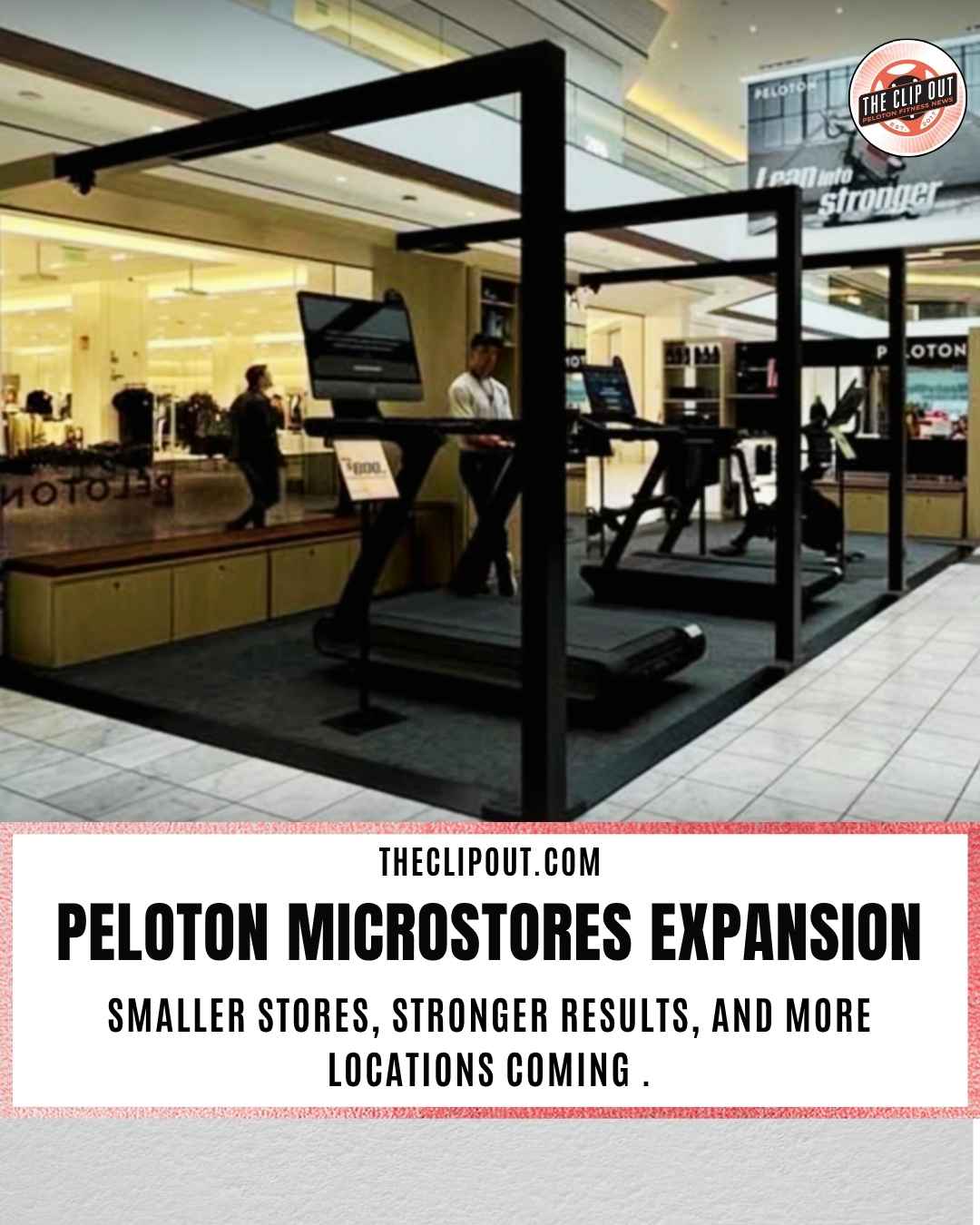
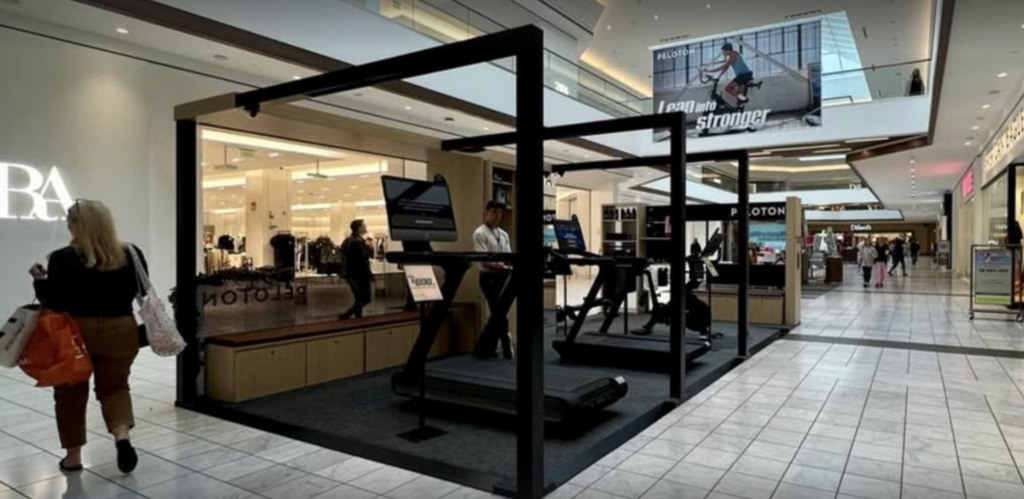
Peloton microstores are outperforming the company’s traditional retail format, and Peloton is moving to scale what’s working. During the Q3 FY2026 earnings call, CEO Peter Stern said Peloton microstores are significantly more efficient than traditional inline stores. Results have been strong enough to fund the next round of openings, now planned for fiscal year 2027.
Why Peloton Microstores Are Outperforming Traditional Retail
The difference between the two formats comes down to what each one was built to do. Traditional inline stores, anchored in major malls with full buildouts and high occupancy costs, were designed for a moment when Peloton needed to introduce an unfamiliar product to consumers who had never encountered it. That moment is over. Peloton is not an unknown brand, and the retail strategy is catching up to that reality.
Peloton microstores operate with lower overhead, more targeted locations, and a format built for the customer who already knows the brand and is close to a purchase decision. The efficiency gains Stern cited on the call likely reflect both lower operating costs and stronger conversion rates relative to those costs. Earlier this year, job postings in affluent suburban markets offered early clues about where new Peloton microstores might land, suggesting Peloton was already moving quickly to staff up ahead of this expansion.
The Case for a Smaller Footprint
Peloton’s retail footprint has been in transition for several years. As covered previously by The Clip Out, finding a place to buy Peloton equipment in person has become increasingly difficult, with the number of traditional showrooms declining sharply from their peak. The Peloton microstores model is the company’s answer to that gap: a leaner physical presence that maintains direct customer contact without the overhead of a full showroom buildout. Members looking for a location near them can use Peloton’s store locator to find the closest option.
That efficiency matters in a business working hard to improve its cost structure. As detailed in The Clip Out’s Q3 FY2026 earnings overview, Peloton has cut more than $100 million in annualized run-rate costs this fiscal year. A retail model that delivers stronger conversion at lower cost fits directly into that picture.
How Peloton Is Rethinking Every Customer Touchpoint
Retail is one piece of a broader direct-relationship strategy. Stern also pointed to second-hand equipment sales as a customer acquisition channel: when someone buys a used Peloton and the company markets to them, that begins a relationship that can grow into a full subscription and, eventually, a new hardware purchase. Third-party retail and rental channels were described as less productive than direct channels.
The direction is clear. Peloton is right-sizing its physical footprint, prioritizing direct relationships over third-party distribution, and treating every customer interaction as the start of a longer journey.
The FY2027 Peloton microstores expansion will be the first real test of whether the efficiency gains that impressed Stern hold at scale. If the numbers translate, this retail model could define how Peloton approaches its physical presence for years ahead.
About the Author: Jen Kern

Latest Podcast


Subscribe
Keep up with all the Peloton news!