3 HiLit Plus Nutrition Tips to Transform Muscle Growth
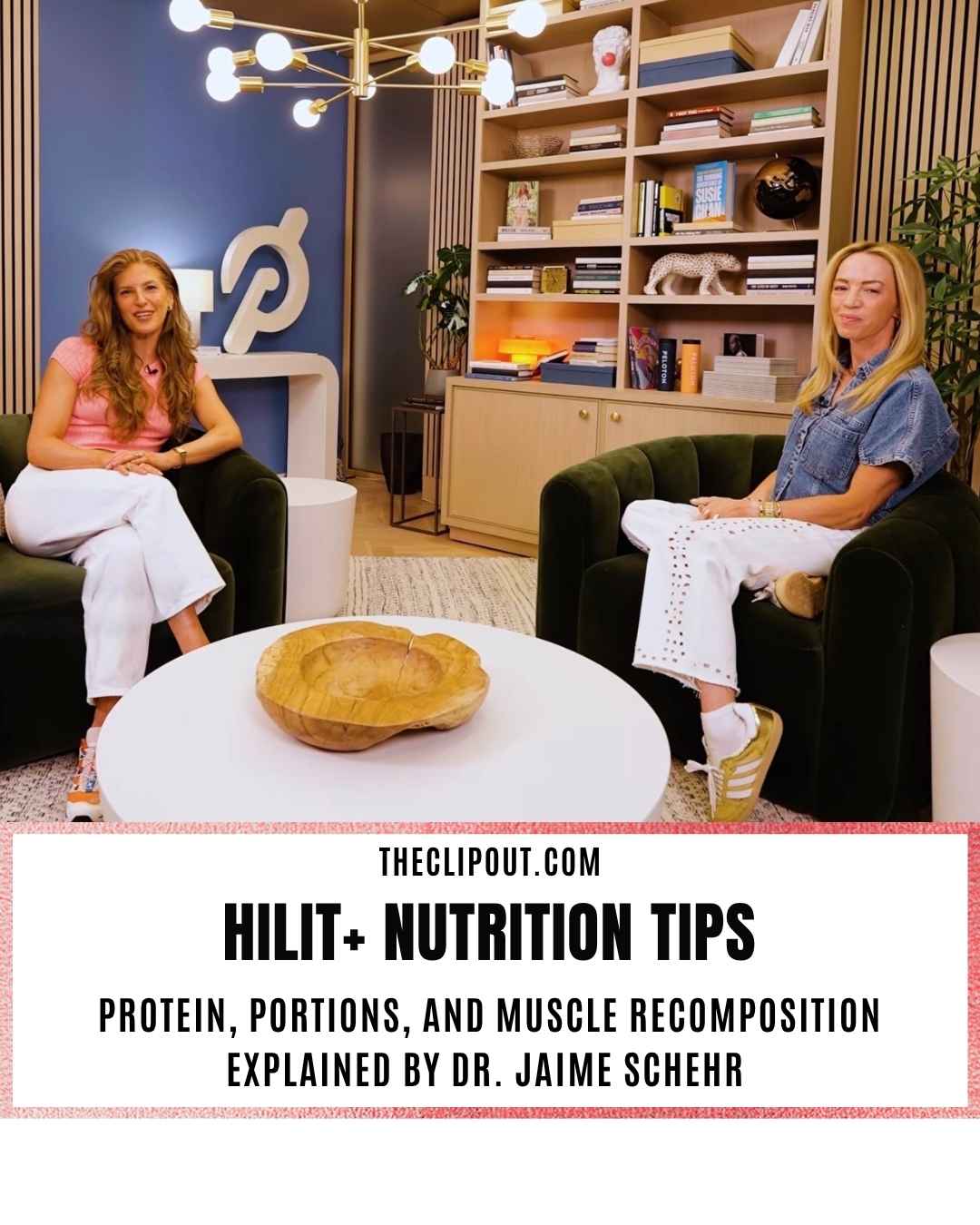
Members have been asking Rebecca Kennedy the same question since HiLit Plus began: what should I actually be eating to see results? HiLit Plus nutrition tips from Rebecca Kennedy and Dr. Jaime Schehr are giving members a clearer plan for fueling the program’s strength work. The two sat down for a conversation focused on one of the most common questions members ask during HiLit Plus: how to eat in a way that actually supports building muscle.
Protein, Portions, and Muscle Recomposition Explained by Dr. Jaime Schehr
Their conversation covered protein targets, an easy way to measure portions without a food scale, and why the number on a bathroom scale does not tell the whole story during a strength-focused program like HiLit Plus. 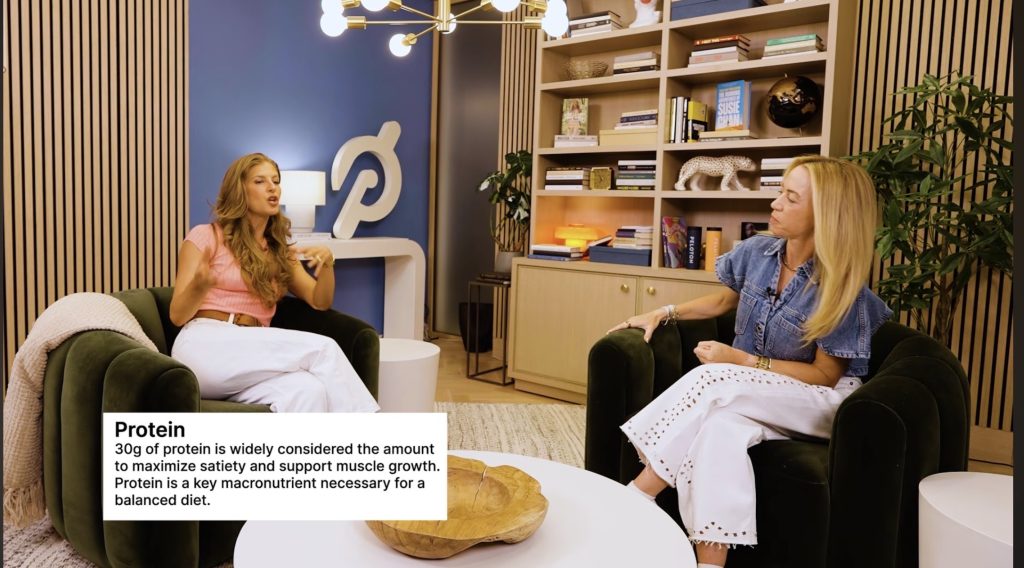
Why Protein Comes First in These HiLit Plus Nutrition Tips
Dr. Schehr said the most important shift for anyone using HiLit Plus to build muscle is prioritizing protein to match the added training load. That does not mean eating dramatically more food overall. It means restructuring meals so protein takes a bigger share of the plate. Members who are undereating protein often are not doing so on purpose. Dr. Schehr recommended three meals a day, each built around protein and fiber, as a baseline for anyone working through the program.
A Simple Way to Measure 30 Grams of Protein
For members who do not want to weigh food, Dr. Schehr offered a visual shortcut. A serving about the size of the palm of your hand, for something like a thin chicken breast, is a reasonable estimate of 30 grams of protein. She also suggested a plate-based method: split the plate in half, filling one side with vegetables and the other with a mix of protein and carbohydrates. Rebecca Kennedy, whose original HiLit program laid the groundwork for HiLit Plus, noted this approach works well for members who want general guidance without tracking every gram.
- Palm-sized portion of protein, roughly 30 grams
- Half the plate filled with vegetables
- The remaining half split between protein and carbohydrates
- Three meals a day built around protein and fiber
Body Recomposition Is Optional, Not a Requirement
Part of these HiLit Plus nutrition tips covers body recomposition, or building muscle while reducing body fat. Dr. Schehr was clear that this is not a goal every member needs to have. She added that anyone who has had a complicated relationship with food in the past does not need to engage with this part of the conversation at all. For members who are interested, she framed it as a guideline rather than a diet, something to consider only if it fits their goals. 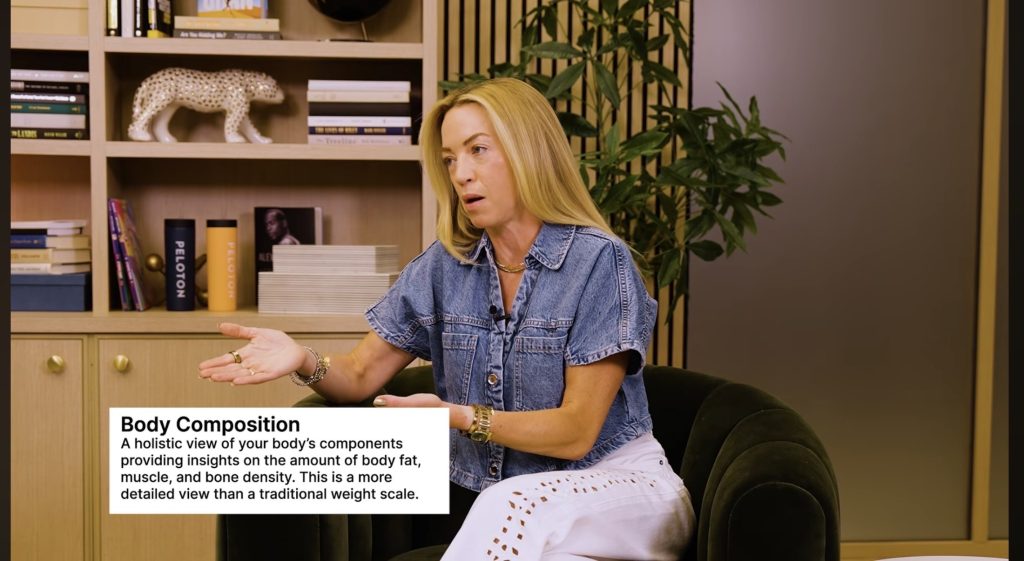
Dr. Schehr described the brain as the strongest muscle in the body, pointing out that mindset shapes how someone perceives what they actually want or need to change. That perception, she said, has to be realistic before recomposition becomes useful as a goal. It is one of the less obvious HiLit Plus nutrition tips, but she considers it foundational to the rest.
Why the Bathroom Scale Falls Short
One of the more practical HiLit Plus nutrition tips centers on ditching the traditional bathroom scale. Dr. Schehr explained that a scale number is arbitrary because it does not show what that weight is made of. For members focused on building muscle, she recommended a body composition scale instead, something that can show muscle gained over the course of the program rather than a single number that does not tell the full story.
Muscle is metabolically active tissue, Dr. Schehr said, meaning more muscle translates to more calories burned and a greater likelihood of the body using fat stores for energy. That is the mechanism behind body recomposition working in practice.
Can You Build Muscle and Lose Fat at the Same Time?
Dr. Schehr confirmed that building muscle and losing fat at the same time is possible, though the odds depend on experience level. Members who are new to a structured program like HiLit Plus are more likely to see that result than those who have been maintaining a routine for a long time. Her advice for that outcome is not eating less. It is eating in a way that supports muscle, including enough protein, fiber, and complex carbohydrates, while paying attention to eating out of boredom rather than hunger. That balance is the core of these HiLit Plus nutrition tips for anyone chasing recomposition.
Dr. Schehr, who joined the HiLit Plus team as its nutrition voice, will be answering member questions live on Peloton Teams every Wednesday at 9:45 a.m. ET throughout the program. It is an ongoing chance for members to get more HiLit Plus nutrition tips tailored to their own goals as the program continues.
The Clip Out is an independent Peloton news site with reporting, analysis, and community insights. We deliver breaking updates, feature reporting, and expert context on the stories driving the community and the industry. Our weekly podcast offers deeper conversation and perspective, and you can find us on Apple Podcasts, Spotify, iHeart, TuneIn, and YouTube Music. You can also follow us on our socials on Facebook, Threads, Instagram, BlueSky, and YouTube. See something in the Peloton universe that you think we should know? Visit us at theclipout.com and submit a tip.
About the Author: Jen Kern

Latest Podcast
Subscribe
Keep up with all the Peloton news!