Estrogen Patch Shortage Surges: FDA Responds to Congress
Peloton members managing peri-menopause and menopause symptoms are running into a familiar problem at the pharmacy counter: estrogen patches are hard to find, and the federal government’s response so far has left many patients without clear answers. A congressional letter sent to the FDA and a new agency statement this week mark the latest developments in a shortage that has been building for months.
How Does an Estrogen Patch Work?
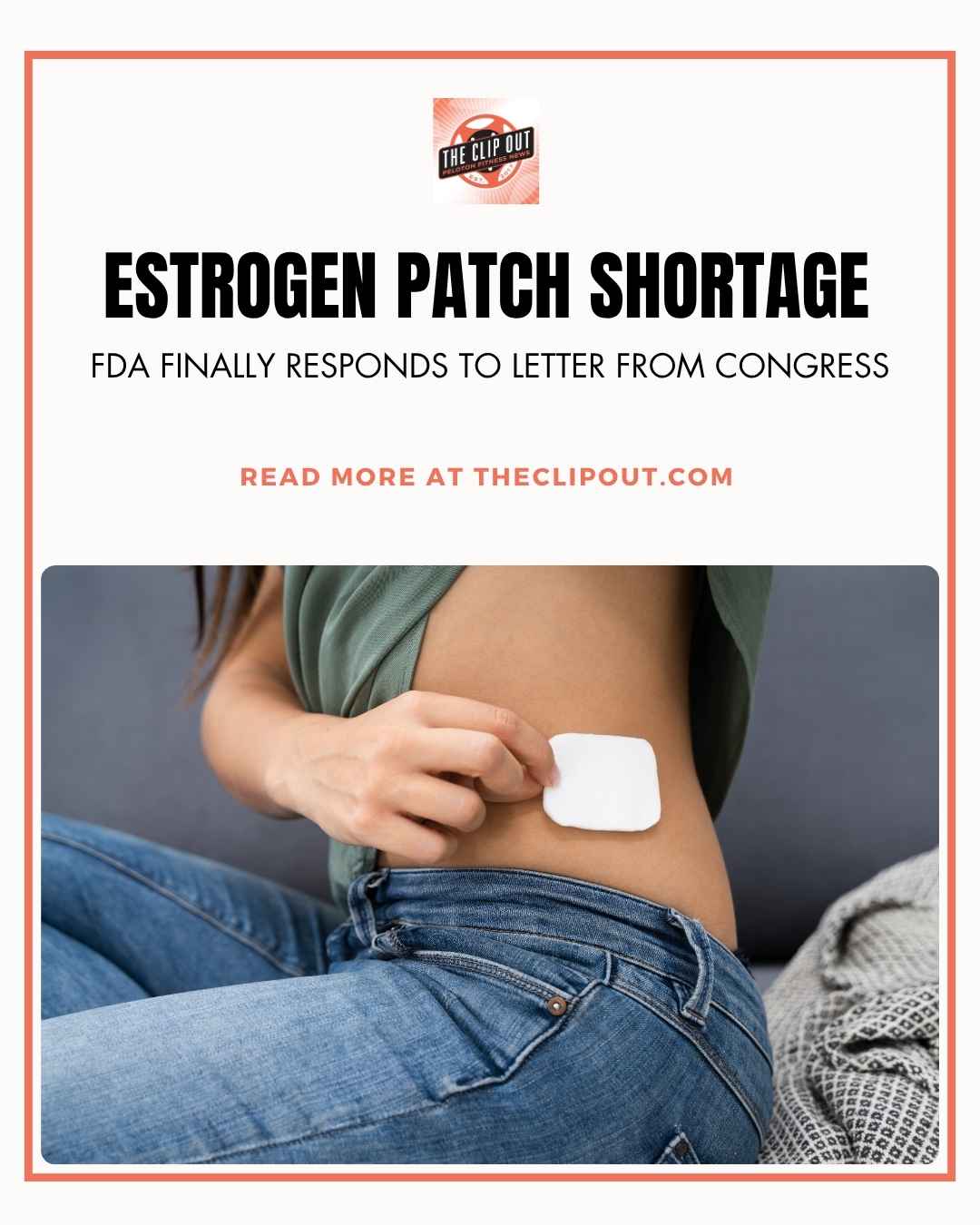
An estrogen patch is a thin, adhesive transdermal system, typically worn on the lower abdomen or hip, that delivers a steady dose of estradiol directly through the skin and into the bloodstream. Because the hormone bypasses the digestive system and liver, patches carry a lower risk of blood clots than oral estrogen pills, which is part of why doctors often consider them a preferred delivery method. Patients usually replace the patch once or twice a week, depending on the dose and brand. Once absorbed, estrogen helps ease the hallmark symptoms of menopause and perimenopause, including hot flashes, night sweats, vaginal dryness and difficulty sleeping. Some physicians also point to added benefits when hormone therapy starts early in perimenopause or shortly after menopause, including a reduced risk of osteoporosis, cardiovascular disease and colon cancer, though those benefits depend on individual health history and are best discussed with a doctor.
Why Estrogen Demand Has Outpaced Supply
Prescriptions for estrogen patches have climbed sharply since the FDA removed a decades-old black box warning from hormone replacement therapy products in February. Prescriptions for estrogen patches increased from about 594,000 in June 2024 to 1.6 million in May 2026, according to healthcare data firm HealthVerity. Dr. Suzanne Hackenmiller, an obstetrician-gynecologist in Arizona, said the label change made more women and doctors comfortable with prescribing estrogen.
Hormone replacement therapy, including the estrogen patch, offers benefits that go well beyond easing hot flashes and other menopause symptoms – when estrogen is started early in perimenopause or shortly after menopause, it may also lower the risk of several conditions, earning it a spot among longevity staples. That expanded understanding of estrogen’s benefits is part of why so many more patients are seeking prescriptions than pharmacies are prepared to fill.
Patients are feeling the squeeze directly. One Los Angeles patient described calling every pharmacy she could find to refill her estradiol patch prescription, eventually driving more than 25 miles to a pharmacy that had supply, and said she even considered looking for the medication in Canada.
Estrogen Patch Costs Rise
The estrogen patch shortage has also driven up what patients pay out of pocket. Clinicians say the same supply-and-demand pressure straining pharmacy shelves is pushing prices higher, even for patients turning to lower-cost options. Cost Plus Drugs, the online pharmacy founded by Mark Cuban that operates on a flat 15% markup and doesn’t accept insurance, has become a go-to backup for patients who can’t find estrogen locally – a box of eight estradiol patches currently runs about $47.83 on the site. That’s often more than a typical insurance copay, but patients and providers say it has at least been reliably in stock while brand-name and insurance-covered options come and go. One nurse practitioner who runs a menopause-focused practice put it bluntly: rising demand has meant rising cost for a medication that used to be inexpensive, calling the price climb on a decades-old generic absurd.
Congress Pushes the FDA to Formally List an Estrogen Shortage
In an August letter to the FDA, Representative Debbie Dingell and seven House colleagues asked the agency to add estradiol patches to its official Drug Shortage Database. The lawmakers wrote that estrogen patch prescriptions rose 72 percent between 2021 and fall 2025, and that the American Society of Health-System Pharmacists has listed 14 brands or dosages of the patches as being in shortage since January 2026.
The letter argued that keeping estrogen patches off the FDA’s formal list limits the agency’s options for responding, since the FDA relies on historic demand data to determine whether manufacturers are keeping pace, and that data may be lagging given how quickly demand for the patches has spiked. Lawmakers also asked whether staffing reductions at the FDA’s Center for Drug Evaluation and Research have affected the agency’s ability to track shortages, and requested a timeline for when supply might catch up with demand.
A formal shortage declaration carries practical weight beyond symptom relief for patients. Hackenmiller, who separately started a petition pressing the FDA on the same issue, said the designation could push manufacturers to ramp up production and encourage new companies into the market. It could also affect what patients pay, since some patients who normally receive a 90-day supply are instead limited to 30-day fills, forcing them to pay the same insurance copay multiple times over.
The FDA’s Response on Estrogen Patch Availability
The FDA has not added the estrogen patch to its shortage database. On Thursday, the agency posted an update acknowledging it was aware of reports that patients were having difficulty accessing their medication due to increased demand. The FDA said availability varies by brand, pharmacy and location, but that estradiol transdermal patches remain available overall, and that the agency continuously monitors supply and offers assistance to manufacturers seeking to increase production.
The agency added that it views the increased interest in menopause treatment as an important development for women’s health and is working with manufacturers to help supply keep pace with demand. For now, the FDA is directing patients to their healthcare providers and pharmacists to locate available estradiol patches or explore alternative options such as gels, sprays or oral tablets.
For Peloton members already managing perimenopause or menopause alongside strength and cardio training, the gap between the FDA’s messaging and what patients are experiencing at the pharmacy remains the central tension. Whether a formal shortage declaration follows may depend on how quickly the agency responds to the questions Congress has now put on the record.
For background on how this shortage first took shape, read The Clip Out’s earlier coverage: Estrogen Patch Shortage: What Peloton Members Managing Menopause Need to Know.
The Clip Out is an independent Peloton news site with reporting, analysis, and community insights. We deliver breaking updates, feature reporting, and expert context on the stories driving the community and the industry.
Our weekly podcast offers deeper conversation and perspective, and you can find us on Apple Podcasts, Spotify, iHeart, TuneIn, and YouTube Music. You can also follow us on our socials on Facebook, Threads, Instagram, BlueSky, and YouTube.
See something in the Peloton universe that you think we should know? Visit us at theclipout.com and submit a tip.
About the Author: Liz Nikol (#JustAskForHelp)

Latest Podcast


Subscribe
Keep up with all the Peloton news!