

Endurance Training Tips From Dr. Charlotte Weidenbach
Dr. Charlotte Weidenbach Shares What Most People Get Wrong About Endurance Training
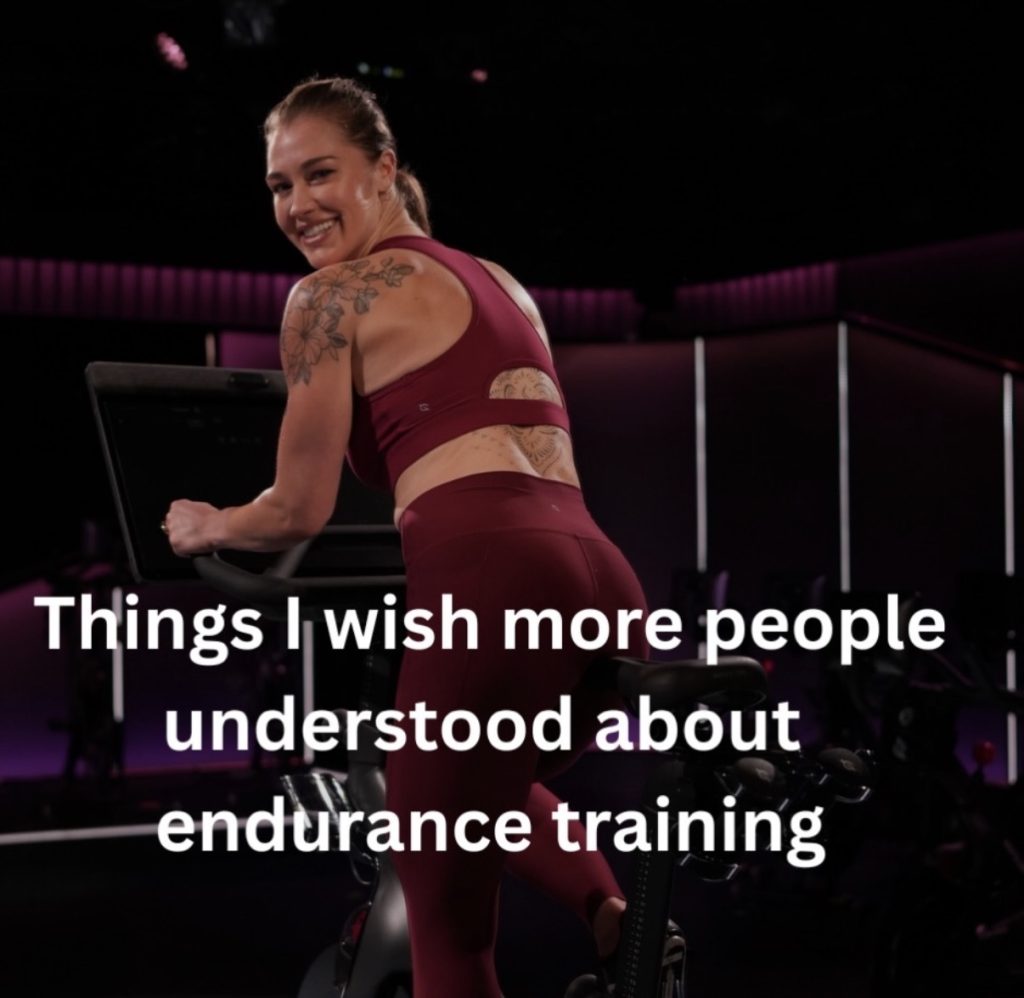
If your plan for building stamina is to make every workout harder, Dr. Charlotte Weidenbach would like a word. The Peloton instructor posted an eight-slide Instagram carousel about the things she wishes more people understood about endurance training. It’s one worth saving.
Her caption sums up the message. Endurance training works when it mixes different stimuli with enough time, fuel and recovery. It doesn’t work by making every session harder.
Why Dr. Charlotte Weidenbach Talks About Endurance Training
Charlotte’s advice comes with credentials. She earned her medical degree at Charité Berlin in 2021, then left medicine for fitness. That training shapes how she coaches. Her Peloton bio sums up her philosophy in four words: “Fitness is my medicine.”
Prevention sits at the center of her approach. Instead of focusing on problems after they happen, Charlotte helps members build habits that support long-term health, and smart endurance training is a big part of that. It’s also why she pushes back on fitness trends that don’t hold up to the science. When she joined a health and career change panel this summer, her message was that fitness needs more people who can connect the science with real life.
She also teaches what she preaches. Charlotte is one of Peloton’s Power Zone instructors, and she led a 90-minute Power Zone Endurance ride earlier this year. Power Zone training uses personalized zones so every ride has a set intensity, which lines up with her point about varying your effort on purpose.
Her Instagram has become a go-to spot for science-backed advice like this. She’s previously explained whether you can train every day, what VO2 max does and doesn’t tell you, and which fitness industry myths to ignore. Most of her classes are in German, but this carousel is in English, so everyone can learn from it.
Mix Up Your Intensity
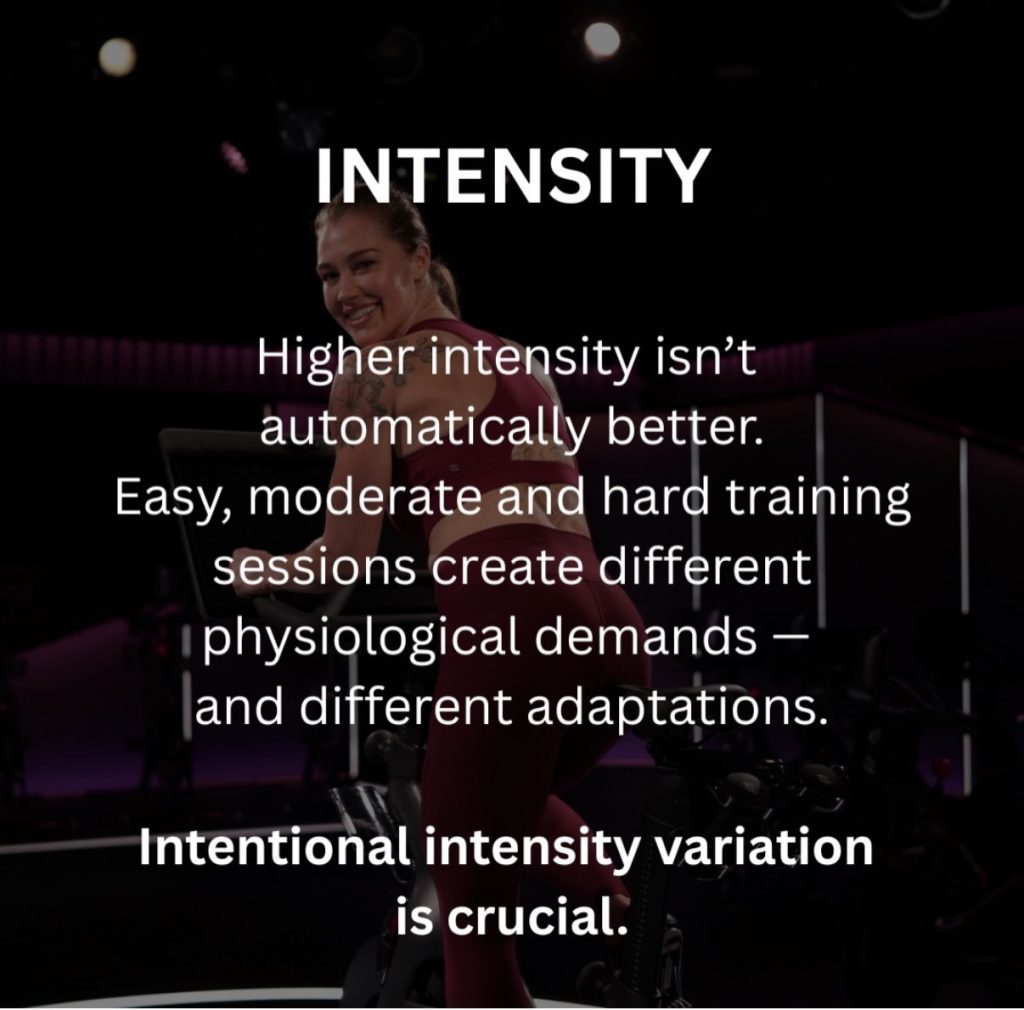
Charlotte’s first point is that higher intensity isn’t automatically better. Easy, moderate and hard sessions each put different demands on your body, and each one leads to different adaptations. The takeaway for endurance training is to vary your intensity on purpose. (We covered her take on volume and intensity over the summer.)
Recovery Counts, Too
Recovery needs variety as well. It can mean complete rest or active recovery. Very easy endurance training keeps you moving while adding very little training stress, and Charlotte notes it can help between strength sessions too.
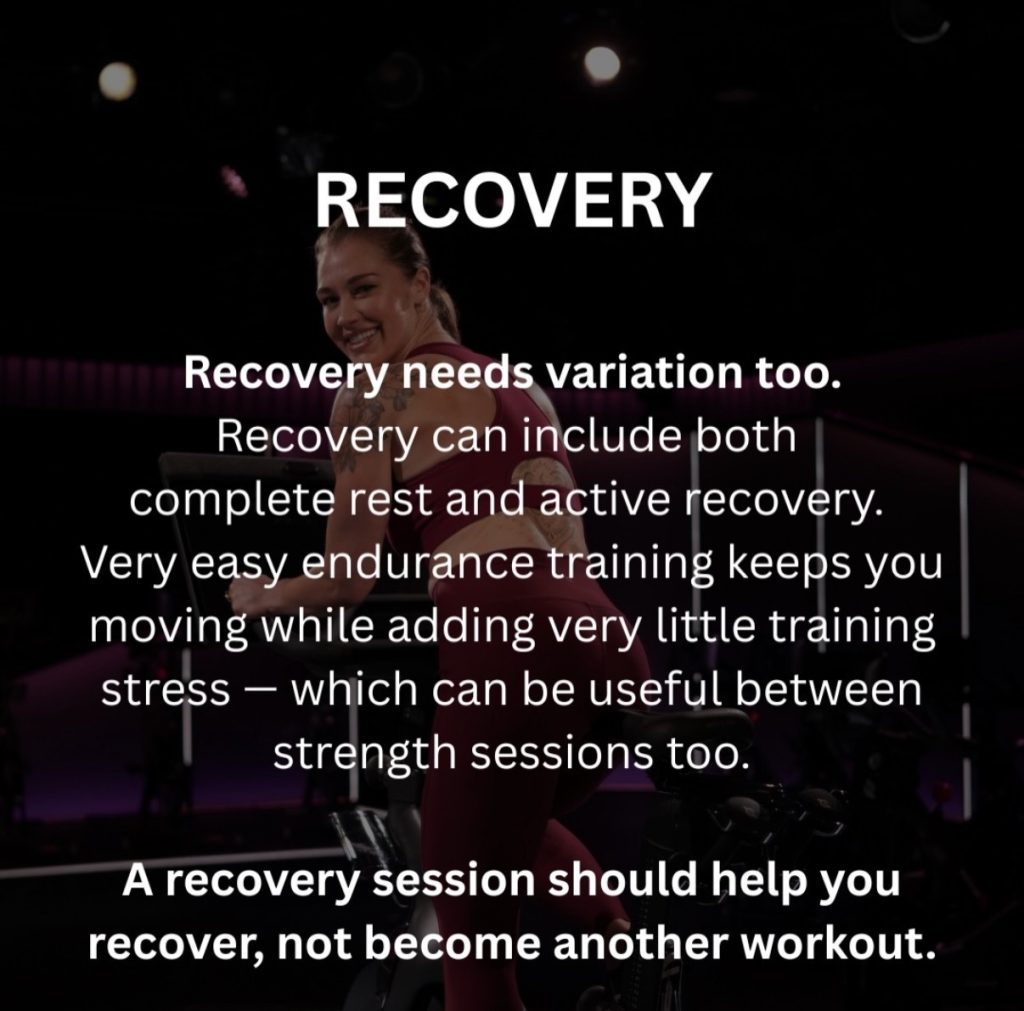
The catch is keeping it easy. In Charlotte’s words, “A recovery session should help you recover, not become another workout.” Yes, we feel called out.
Life Outside Your Workouts Matters
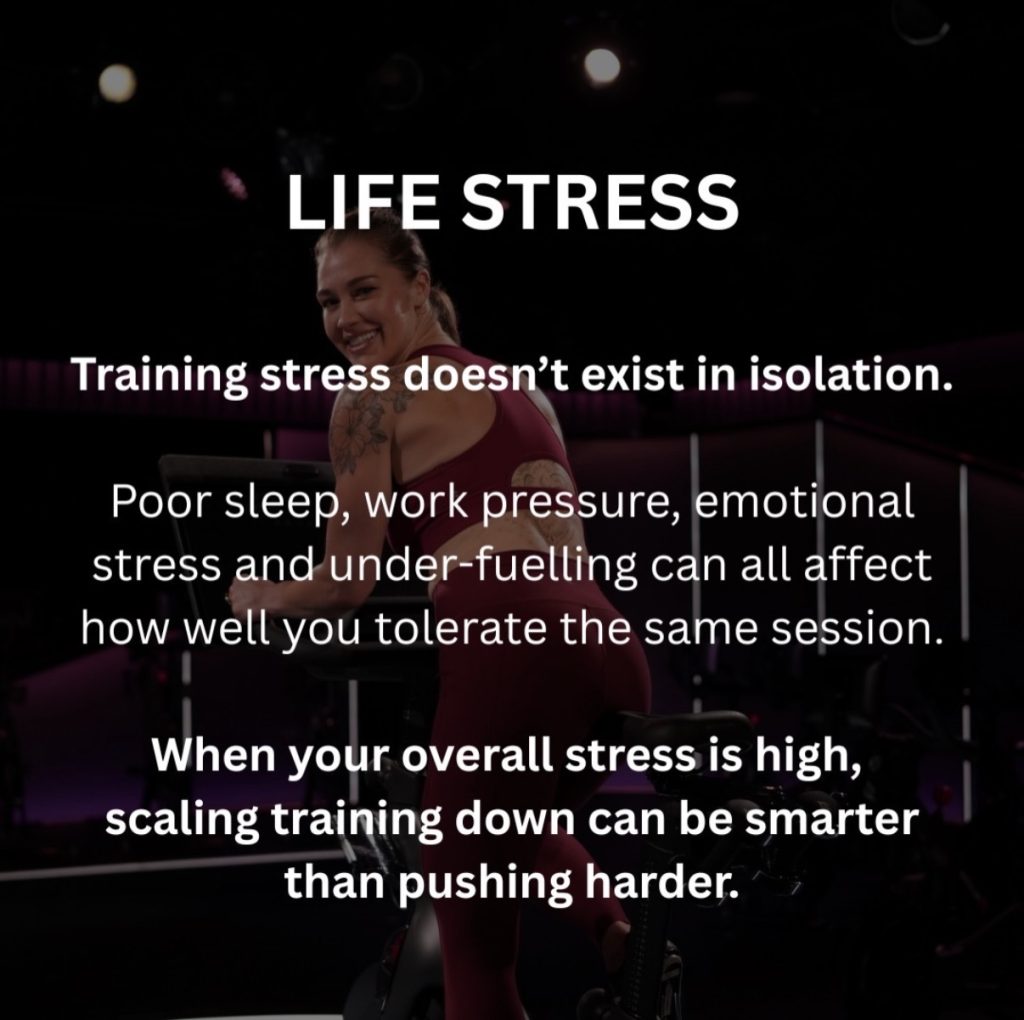
Training stress doesn’t happen in a vacuum, and endurance training is no exception. Poor sleep, work pressure, emotional stress and under-fueling can all change how well you handle the same session. When your overall stress is high, Charlotte says scaling training down can be smarter than pushing harder.
Fuel the Work
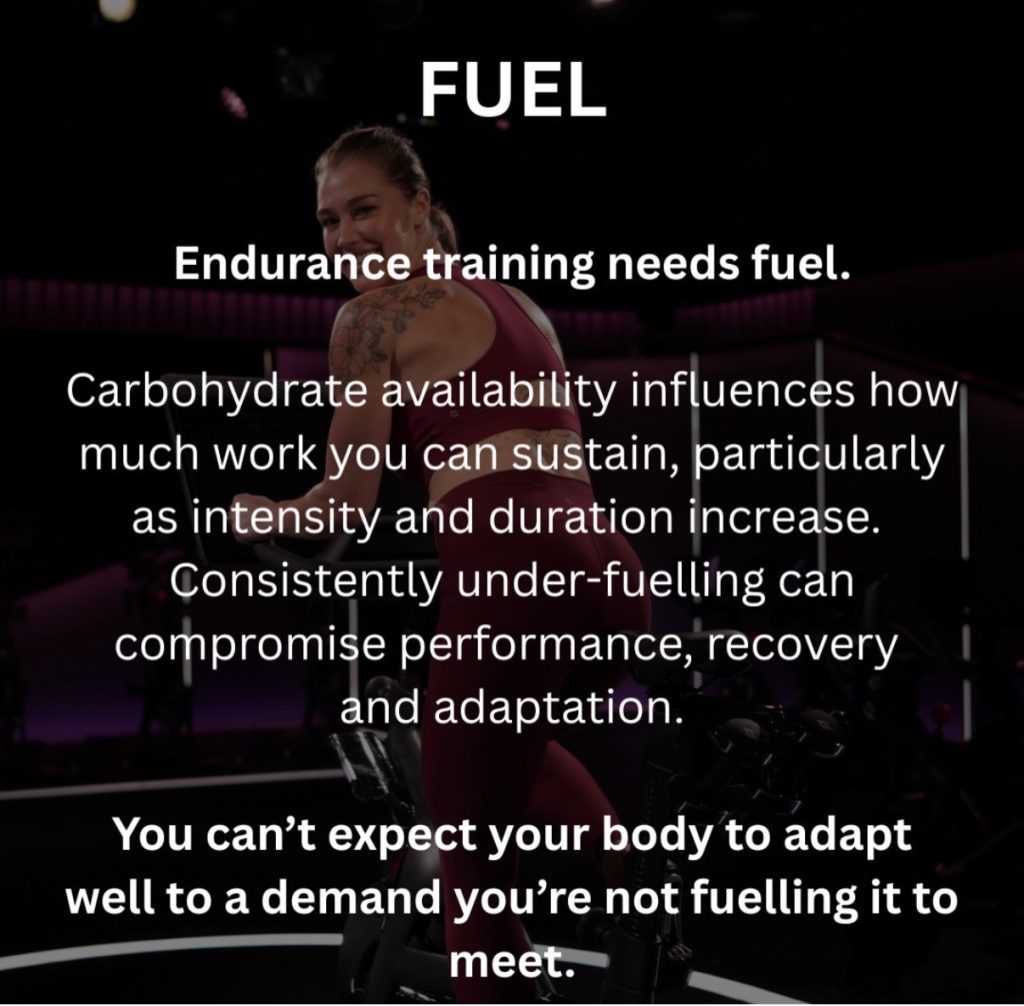
Endurance training needs fuel. How much carbohydrate you have available affects how much work you can sustain, especially as workouts get longer or harder. Under-fueling on a regular basis can hurt your performance, your recovery and your body’s ability to adapt. Charlotte’s point is simple: you can’t expect your body to rise to a demand you aren’t fueling it to meet.
What’s Happening in Your Muscles
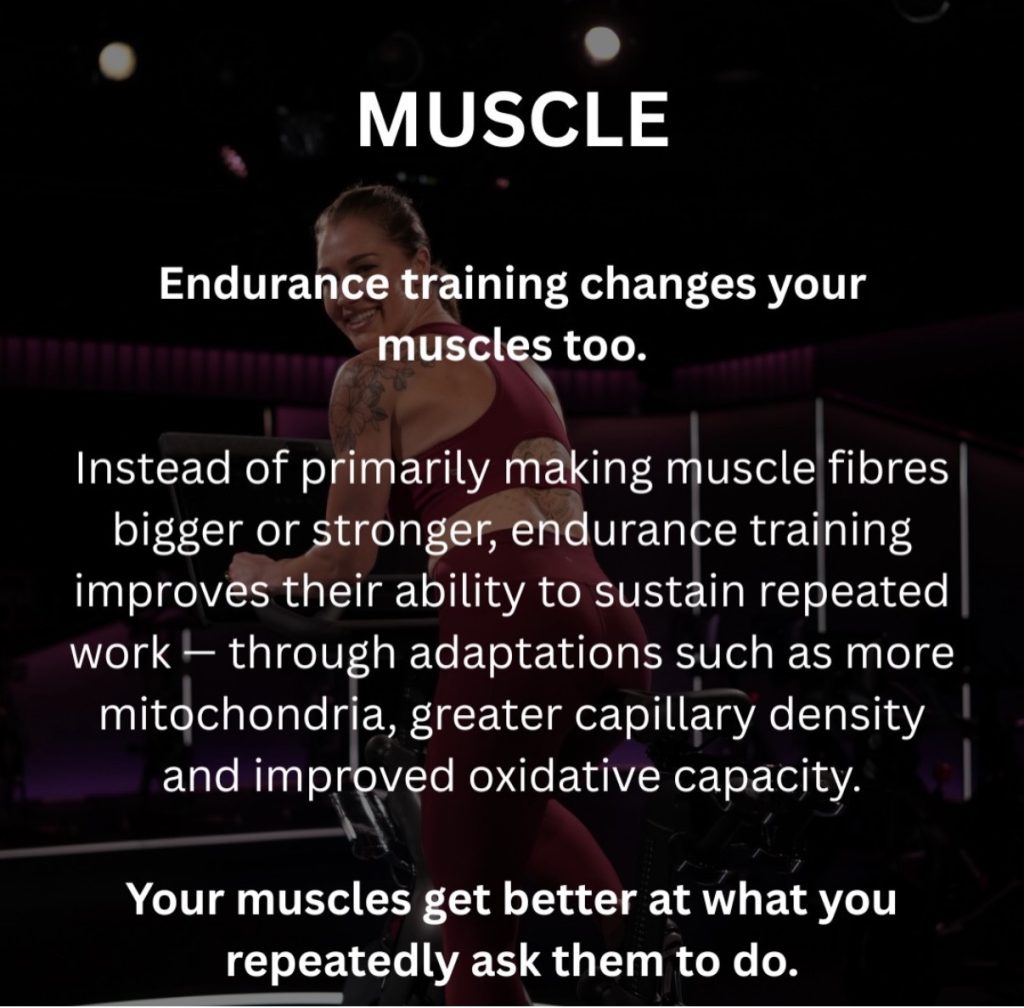
This is where Charlotte’s medical background really shows. Endurance training changes your muscles, but not mostly by making the fibers bigger or stronger. It makes them better at sustaining repeated work. That happens through changes like more mitochondria, greater capillary density and better oxidative capacity. She puts it this way: “Your muscles get better at what you repeatedly ask them to do.”
Why Long Sessions Are Different
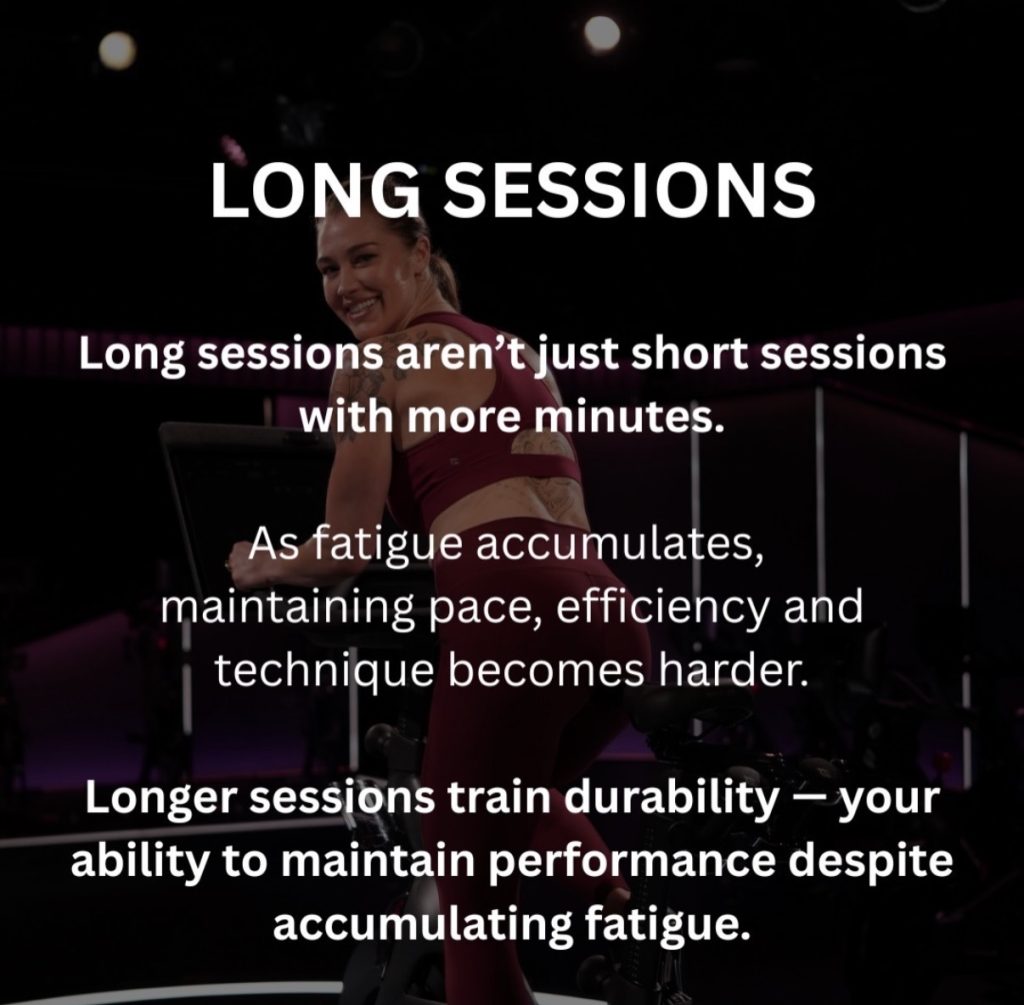
Long sessions aren’t just short sessions with extra minutes. As fatigue builds, holding your pace, efficiency and technique gets harder. That’s why longer sessions train durability, or your ability to keep performing as you get tired.
Patience Is Part of the Plan
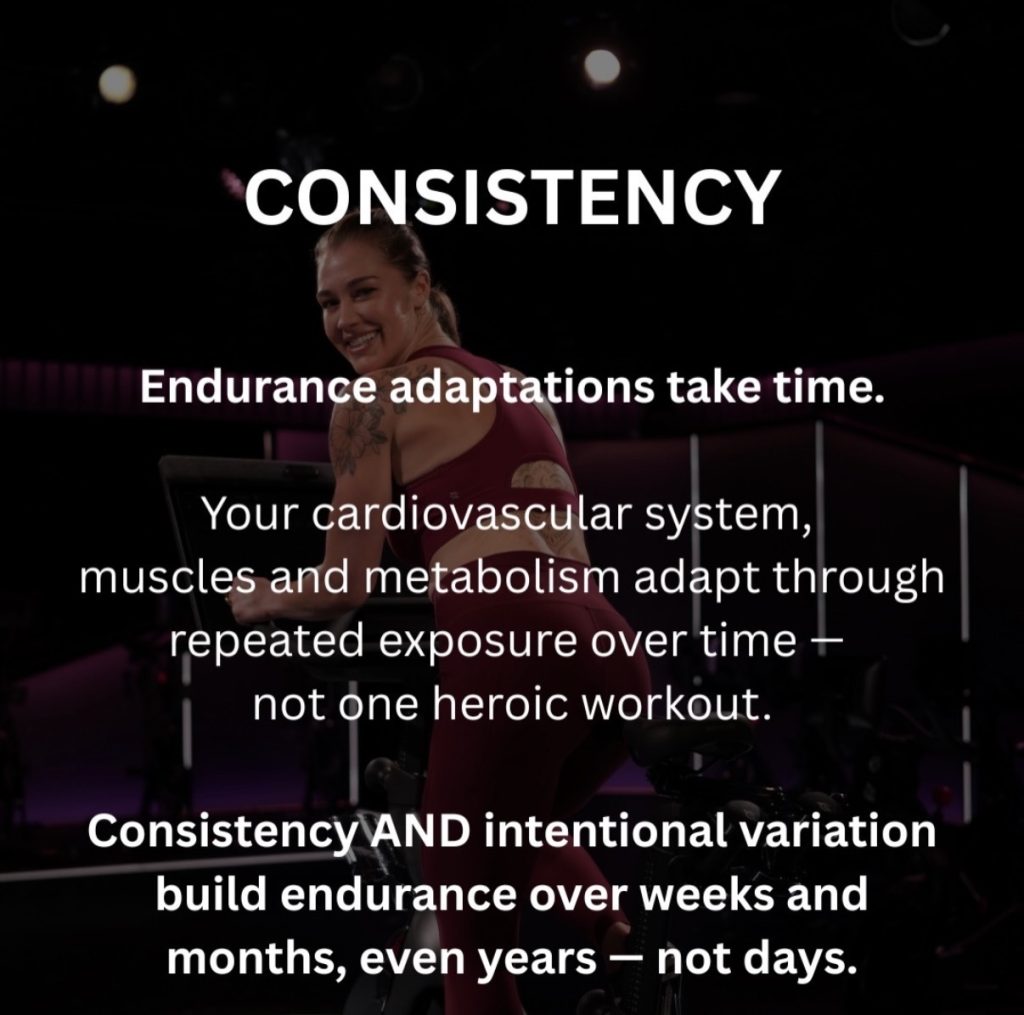
Then comes the part that takes patience. Your cardiovascular system, muscles and metabolism adapt through repeated exposure over time, not through one heroic workout. Dr. Charlotte Weidenbach says consistency and intentional variation build endurance over weeks, months and even years, not days.
Charlotte also points followers to a blog post linked in her bio for more detail. Fellow Peloton instructors Selena Samuela and Kristin McGee were among those who commented on the post.
So whether you’re running, rowing or riding, the next easy class on your schedule is part of your endurance training. Let it be easy. If you want to put these tips into practice with Charlotte, her Power Zone Endurance rides are a natural place to start. You can find more on our Charlotte Weidenbach instructor page.
The Clip Out is an independent Peloton news site with reporting, analysis, and community insights. We deliver breaking updates, feature reporting, and expert context on the stories driving the community and the industry. Our weekly podcast offers deeper conversation and perspective, and you can find us on Apple Podcasts, Spotify, iHeart, TuneIn, and YouTube Music. You can also follow us on our socials on Facebook, Threads, Instagram, BlueSky, and YouTube. See something in the Peloton universe that you think we should know? Visit us at theclipout.com and submit a tip.
About the Author: Jen Kern

Latest Podcast


Subscribe
Keep up with all the Peloton news!