

Stronger Not Smaller: Forbes Spotlights Rebecca Kennedy
The Peloton Instructor Has Been Making This Argument Long Before It Was Fashionable
The stronger not smaller movement has reached Forbes, and the trainer the magazine put front and center is Peloton instructor Rebecca Kennedy. Forbes contributor Olivia Shalhoup published the piece on May 21, 2026, tracing how a phrase once confined to gym culture has moved into mainstream entertainment, brand campaigns, and major platform partnerships. Kennedy is featured as one of the clearest and most credible voices in that shift, with exclusive quotes captured at the Fitness with Spotify launch event at Terminal 5 in New York City on May 14, 2026.
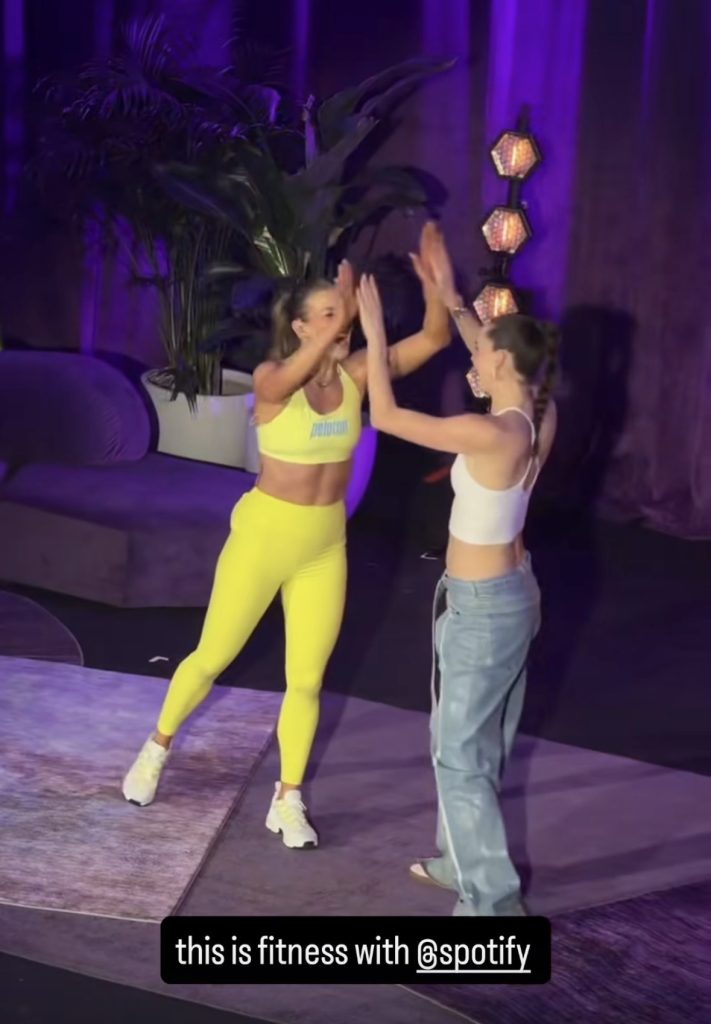
What Forbes Said About the Stronger Not Smaller Shift
The Forbes piece opens with a blunt observation: something is shifting in the way women talk about their bodies, and it is moving faster than anyone expected. The article frames stronger not smaller not as a wellness trend but as a cultural correction, driven not by fitness personalities with supplement codes but by entertainers and cultural figures with massive platforms and no financial need to say anything they do not actually believe. The credibility, as Shalhoup puts it, is built-in rather than manufactured.
That framing is what makes Rebecca Kennedy’s placement in the piece significant. She is not cited as a brand partner or a campaign face. Forbes describes her as someone who has been making a specific argument about women’s strength for years and positions her as a voice the broader culture is only now catching up to. It is the latest in a string of mainstream media recognition for Kennedy, who was also quoted in a People magazine feature earlier this year on the rise of menopause-specific fitness classes. “Rebecca Kennedy has been saying this longer than it’s been fashionable,” Shalhoup writes.
Rebecca Kennedy’s Exclusive Quotes Are the Best Part
Kennedy spoke to Forbes exclusively at the Fitness with Spotify launch, and her quotes carry the same directness her Peloton members will recognize. On the pressure women face to shrink themselves: “Trying to make yourself smaller to fit into a societal case is the least important or fascinating thing about you.” On what strength training actually gives women: “We are badass and we are capable, and strength training can remind you of that on a regular basis.”
She also spoke to the role celebrity visibility plays in accelerating the stronger not smaller conversation. “Seeing people like my colleagues and celebrities that are actually including strength training in their workouts are moving the needle,” Kennedy told Forbes. “They are shifting the conversation, and I’m so grateful that they’re doing that. Because I remember growing up, I was in the gym, and there were no women in there. I was alone by myself and it felt so out of place. It’s not until 2026 that we’re really starting to see women take full advantage of this.”
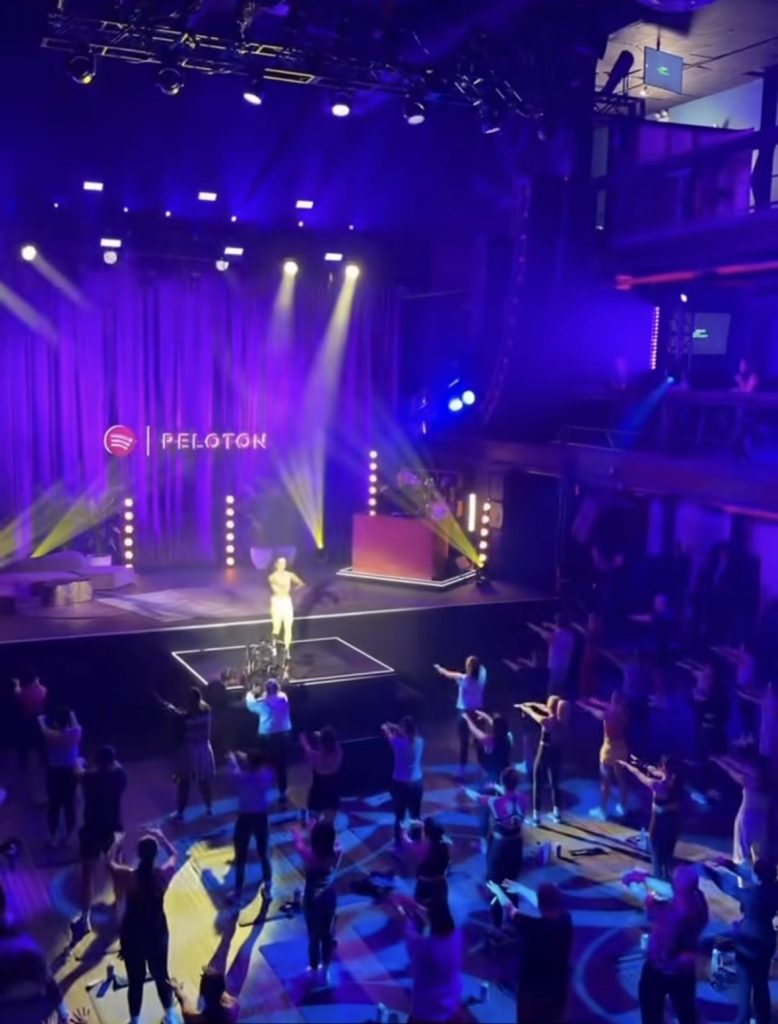
Why Spotify Put Rebecca Kennedy at the Center
Spotify’s expansion into fitness was positioned by Forbes not as a product announcement but as a statement about what movement is for. The platform framed fitness as something that belongs alongside music, audiobooks, and art as a source of joy rather than anxiety. The trainer they chose to headline that moment was Rebecca Kennedy. That choice reflects how her message has grown beyond the Peloton community into something a platform with half a billion users was willing to build a launch event around. The Clip Out covered the direct output of that partnership: a 20-minute Peloton strength class taught by Kennedy with electronic duo SOFI TUKKER, available May 26 on both the Peloton and Spotify platforms.
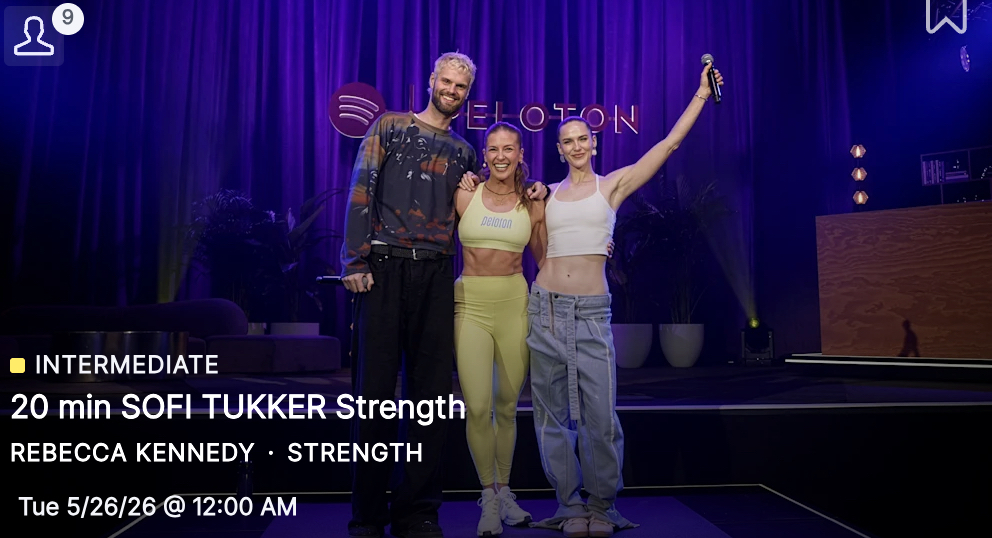
For Peloton members who have taken her strength classes and programs, the recognition is not surprising. Kennedy has spent years arguing that the weight room is not an intimidating place women need permission to enter, but a space that gives them access to something real about what they are capable of. Spotify and Forbes are now saying the same thing to a much larger audience.
Peloton’s Place in the Stronger Not Smaller Movement
Forbes notes that Peloton has long been recognized for its progressive approach to fitness programming, and Kennedy is not the only instructor the piece highlights. Camila Ramón has “strong not small” in her Instagram bio, which Forbes describes as a permanent statement of values rather than a paid placement. Robin Arzón is also quoted directly: “Let’s lift heavy shit and take up space. That’s the expansion.” The Forbes framing presents Peloton’s instructor roster as consistent, early advocates of the stronger not smaller philosophy rather than latecomers borrowing a trend.
The broader Forbes article covers Hilary Duff, Serena Williams, and Megan Thee Stallion, all of whom have built or aligned with campaigns centered on strength-focused fitness. But the piece’s sharpest writing is built around the idea Rebecca Kennedy has been articulating for years: that stronger not smaller is not a rebranding of diet culture. It is a rewrite of what fitness is for, and the infrastructure to make it the default is finally being built.
The Clip Out is an independent Peloton news site with reporting, analysis, and community insights. We deliver breaking updates, feature reporting, and expert context on the stories driving the community and the industry. Our weekly podcast offers deeper conversation and perspective, and you can find us on Apple Podcasts, Spotify, iHeart, TuneIn, and YouTube Music. You can also follow us on our socials on Facebook, Threads, Instagram, BlueSky, and YouTube. See something in the Peloton universe that you think we should know? Visit us at theclipout.com and submit a tip.
About the Author: Jen Kern

Latest Podcast

Subscribe
Keep up with all the Peloton news!