
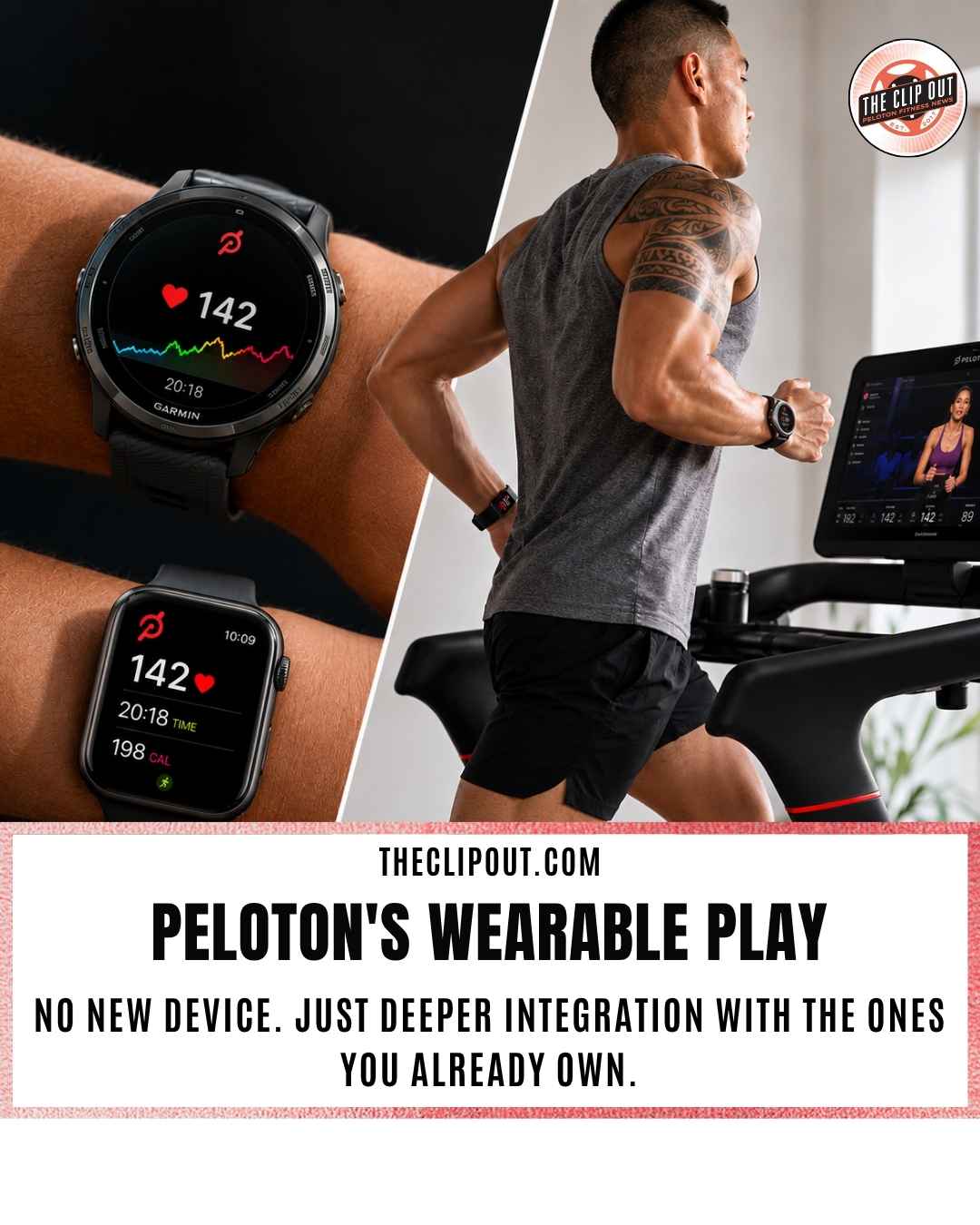
Peloton Wearables Strategy Says No to Its Own Device
Peloton Wearables Strategy Rules Out a Competing Device

Peloton wearables strategy centers on integration, not competition. During the company’s Q4 FY26 earnings call, executives made clear that Peloton has no plans to build a proprietary wearable device, choosing instead to deepen partnerships with the wearable brands members already own.
According to notes from the call, an executive described this Peloton wearables strategy as staying neutral, comparing it to how Switzerland doesn’t take sides. The goal, as executives framed it, is to integrate with as many wearable devices as possible rather than compete against any of them directly. That framing extends across all of Peloton’s connected wellness offerings, including Tread, Row, Strength, Pilates, Yoga, and Outdoor content, not just cycling.
How the Neutral Approach Works
Peloton said it is building partnerships that range from ingesting wearable data, with member permission, to providing data back to wearable companies, along with co-marketing arrangements with select brands. Apple, Google, and Garmin were named as current or near-term integration partners, and executives indicated a couple more major brands are on the way without naming them.
This is not the first sign of that approach. Peloton recently expanded how workouts from third-party apps like Apple Watch and Garmin count toward member streaks, a smaller but concrete example of the same wearables strategy playing out in the app before it was formally addressed on the call.
Executives said the point of the Peloton wearables strategy is to serve members across whatever ecosystem they already use, and to treat that flexibility as a way to grow and retain subscribers rather than requiring members to buy a Peloton-specific device. That distinction matters for a company managing a declining subscriber base while trying to protect margins on hardware and subscriptions alike.
What Wearable Integration Already Looks Like for Members
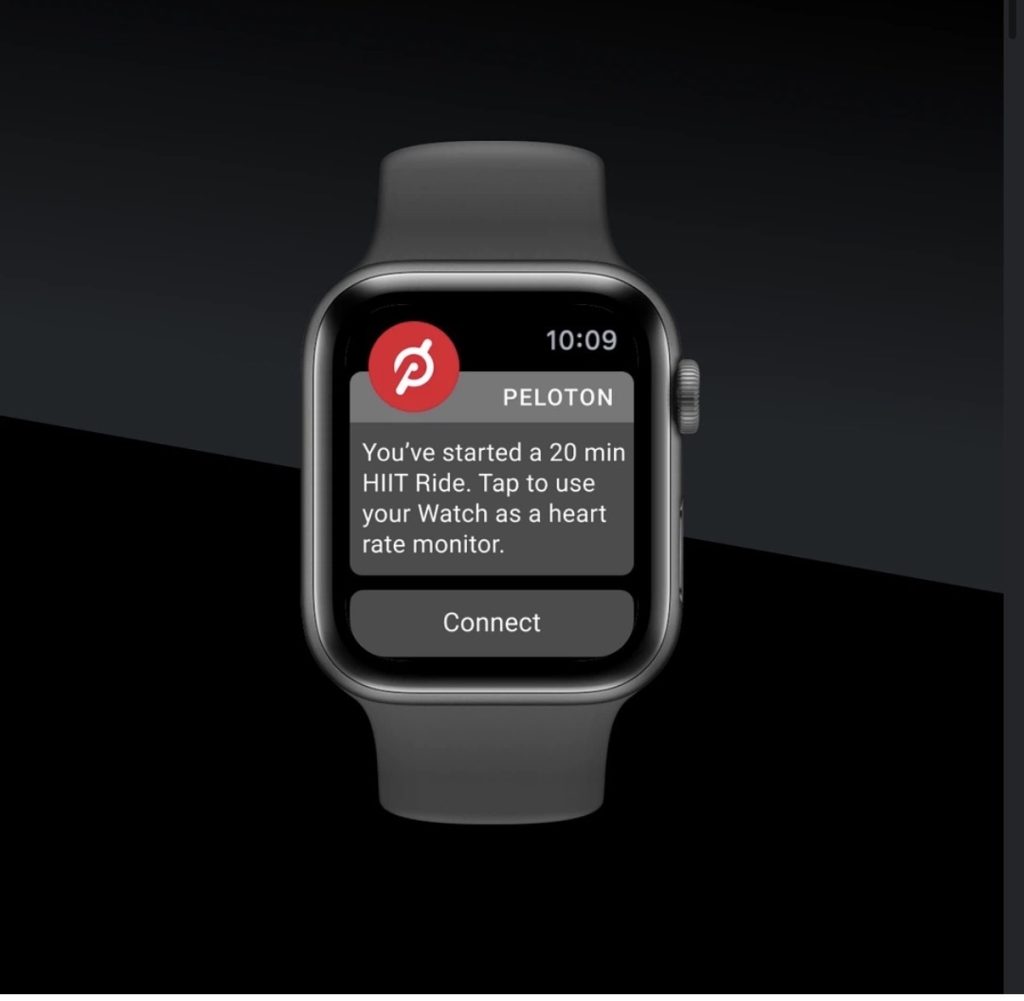
Peloton members can already see pieces of this Peloton wearables strategy in action. On the Apple side, a one-tap Apple Watch connection tracks Strive Score and heart rate during any class on the Bike, Bike+, Tread, or App, syncing that data directly into Apple Health.
The Garmin side goes further. Peloton recently rolled out a two-way Garmin Connect integration that automatically exports Peloton workouts, feeding heart rate data into Garmin’s own Training Status, Recovery Time, and Training Load metrics. Members can also connect Apple Health, Garmin Connect, and Fitbit through a broader wearables and fitness app integration that pulls outside activity into Peloton’s Personalized Plans and activity trends. Fitbit is owned by Google, which likely explains why Google was named alongside Apple and Garmin as a current integration partner on the call.
Peloton Wearables Strategy Ties Directly to Peloton IQ
Executives pointed to Peloton IQ, the company’s AI-driven feature set, as central to how this strategy pays off. They said internal research shows AI-related features are the number one factor of interest among prospective new customers, and that current members are increasingly engaging with the insights Peloton IQ surfaces. That aligns with what Peloton has said in prior earnings calls about Peloton IQ’s role in retention, where it was named alongside Teams and Club Peloton as core engagement infrastructure.
The company said it is working to support open-ended member goals and adjust programming more dynamically over time, and that depends in part on the data wearables integration provides. In practice, that means Peloton IQ’s recommendations get sharper as more outside data, sleep, recovery, heart rate, and activity from other devices, flows into a member’s profile. The wearables strategy and the AI strategy are not separate initiatives. They are built to work as one system.
Peloton has not said which additional wearable brands it plans to add, and the timeline for those partnerships remains unconfirmed. For now, the Peloton wearables strategy signals a company betting that flexibility, not hardware exclusivity, is what keeps members engaged. Full Q4 and full-year FY26 financial results are available in Peloton’s official release.
The Clip Out is an independent Peloton news site with reporting, analysis, and community insights. We deliver breaking updates, feature reporting, and expert context on the stories driving the community and the industry. Our weekly podcast offers deeper conversation and perspective, and you can find us on Apple Podcasts, Spotify, iHeart, TuneIn, and YouTube Music. You can also follow us on our socials on Facebook, Threads, Instagram, BlueSky, and YouTube. See something in the Peloton universe that you think we should know? Visit us at theclipout.com and submit a tip.
About the Author: Jen Kern

Latest Podcast


Subscribe
Keep up with all the Peloton news!