
Peloton RePowered Strategy: 3 Lessons for Brands
Peloton RePowered Strategy: Essential Resale Lessons
Amanda Hunter explained at Archive’s Resale Summit why Peloton chose to own its secondhand market, and what other brands can take from it.
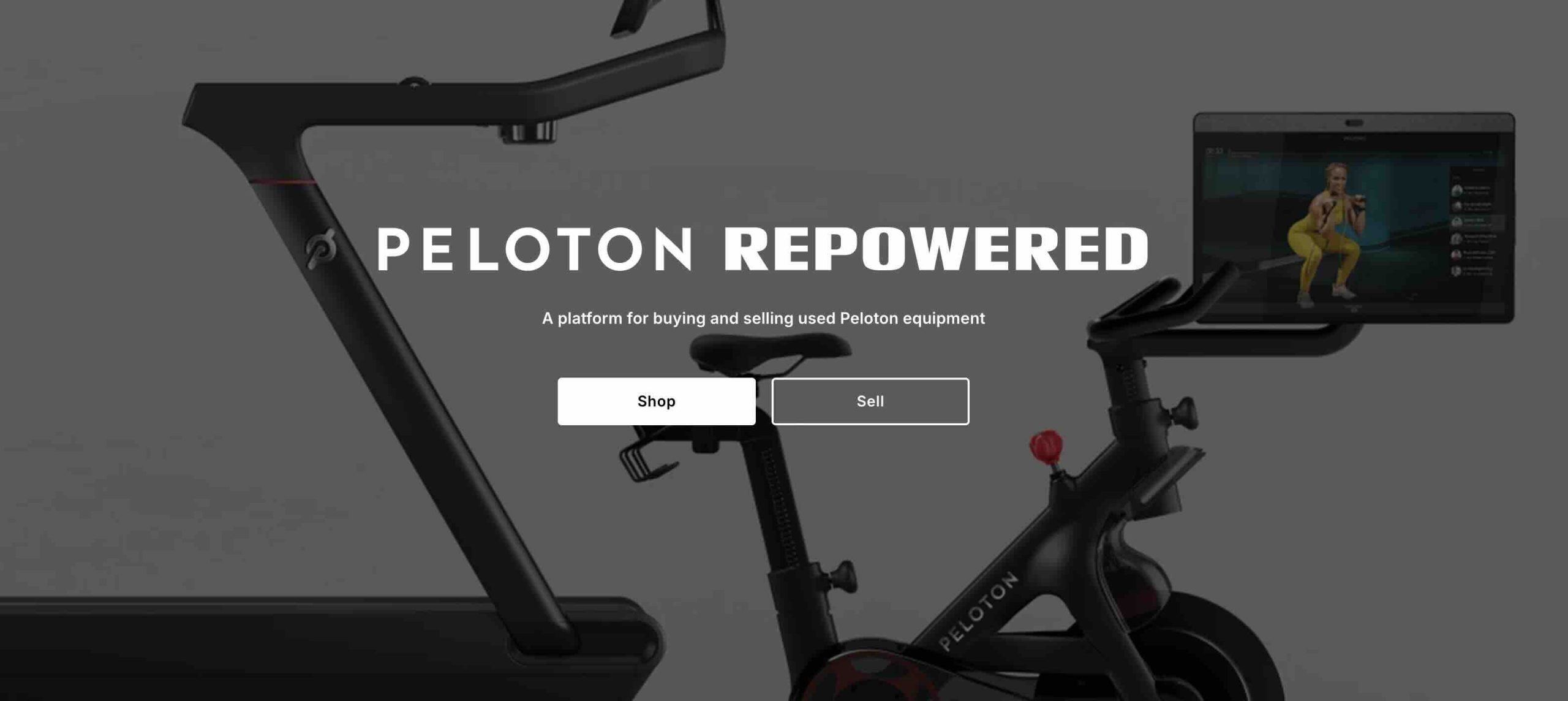
The Peloton RePowered strategy starts with a plain decision: own the secondhand market instead of letting it grow with no benefit to the brand. Amanda Hunter, Peloton SVP and GM of Recommerce, laid out that reasoning at the October 7, 2026 Resale Summit hosted by Archive, the technology platform behind the site.
Archive highlighted the session in a mid-October 2026 LinkedIn post, calling Peloton the last brand most people would expect to have a resale story. That contrast is part of why the session stood out.
The Peloton RePowered Strategy Began With an Existing Market
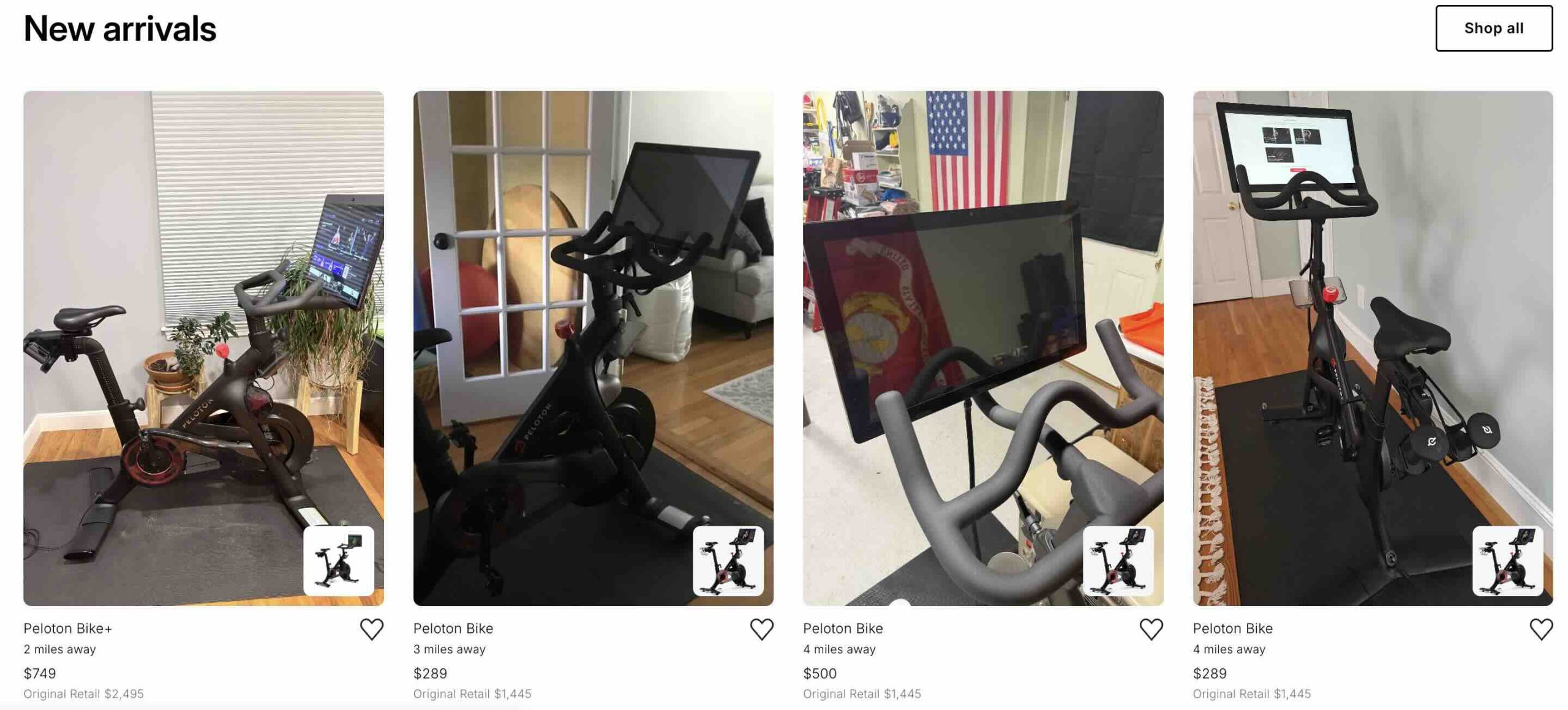
According to Archive, people were already buying and selling used Pelotons on marketplaces the company did not control. That left a choice between owning the market and letting it grow without any benefit to Peloton. Peloton chose to own it, and the company now runs RePowered as a growth business rather than a side project.
The storefront is branded Peloton RePowered by Archive Resale. Its welcome screen calls it the official Peloton resale site, where members can find gently used equipment at discounted prices or sell pre-loved pieces for cash. Archive describes itself as a technology platform that powers profitable resale businesses for brands, and says it works with 60 brands globally, including The North Face, Lululemon and New Balance.
Three Parts of the Peloton RePowered Strategy
Hunter’s approach, as summarized by Archive, has three parts.
Judge Resale by Its Effect on the Core Business
Peloton measures resale by what it does for the core business, not by whether each sale made money on its own. The test is contribution to the larger company, not margin on a single transaction.
Invest in Awareness
Scale depends on customers knowing the option exists. Under the Peloton RePowered strategy, awareness is something Peloton invests in directly.
Look for New Markets and Categories
Peloton also sees room to grow into new markets and categories, thought the post does not say which ones.
Lessons for Peer Fitness Brands
The sequence applies to any connected fitness brand, such as Tonal, NordicTrack or Hydrow, for example. Start by checking whether equipment already circulates on marketplaces the brand does not control. Then pick the metric that would show a resale channel supports the core business, and ask internal skeptics what evidence would change their answer. The Peloton RePowered strategy treats resale as a growth business, and that framing drives the other two choices.
Have You Bought From Peloton RePowered Before?
The Clip Out has covered the launch of RePowered, and members have had time to try it since. If you have bought used equipment or listed pieces to sell, tell us how it went, including the pricing, the process and what you would do differently.
The open question is scope. With Peloton eyeing new markets and categories, the next RePowered announcement will show how far the Peloton RePowered strategy extends.
The Clip Out is an independent Peloton news site with reporting, analysis, and community insights. We deliver breaking updates, feature reporting, and expert context on the stories driving the community and the industry.
Our weekly podcast offers deeper conversation and perspective, and you can find us on Apple Podcasts, Spotify, iHeart, TuneIn, and YouTube Music. You can also follow us on our socials on Facebook, Threads, Instagram, BlueSky, and YouTube.
See something in the Peloton universe that you think we should know? Visit us at theclipout.com and submit a tip.
About the Author: Elizabeth Schlosberg

Latest Podcast


Subscribe
Keep up with all the Peloton news!