

Peloton Mistakes That Are Secretly Sabotaging Your Results
The 5 Peloton Mistakes That Are Secretly Sabotaging Your Bike Results
If you have been riding consistently but feel like your progress has stalled, your results have plateaued, or your body is taking longer to recover than it should, the problem probably is not effort. Peloton gives riders every tool they need to train smart. The issue is that most members, especially newer ones, never use those tools the way they were designed. These are the five most common Peloton mistakes that quietly undermine results, and what to do about each one.
Peloton Mistake No. 1: Skipping the Bike Fit
This is the most common Peloton mistake, and arguably the most consequential. Many riders clip in and start taking classes without ever properly adjusting seat height, handlebar height, or fore-and-aft position. A poor fit does not just feel uncomfortable. It creates knee pain, back strain, and inefficient pedaling mechanics that compound over time. In serious cases, it drives people off the bike entirely.

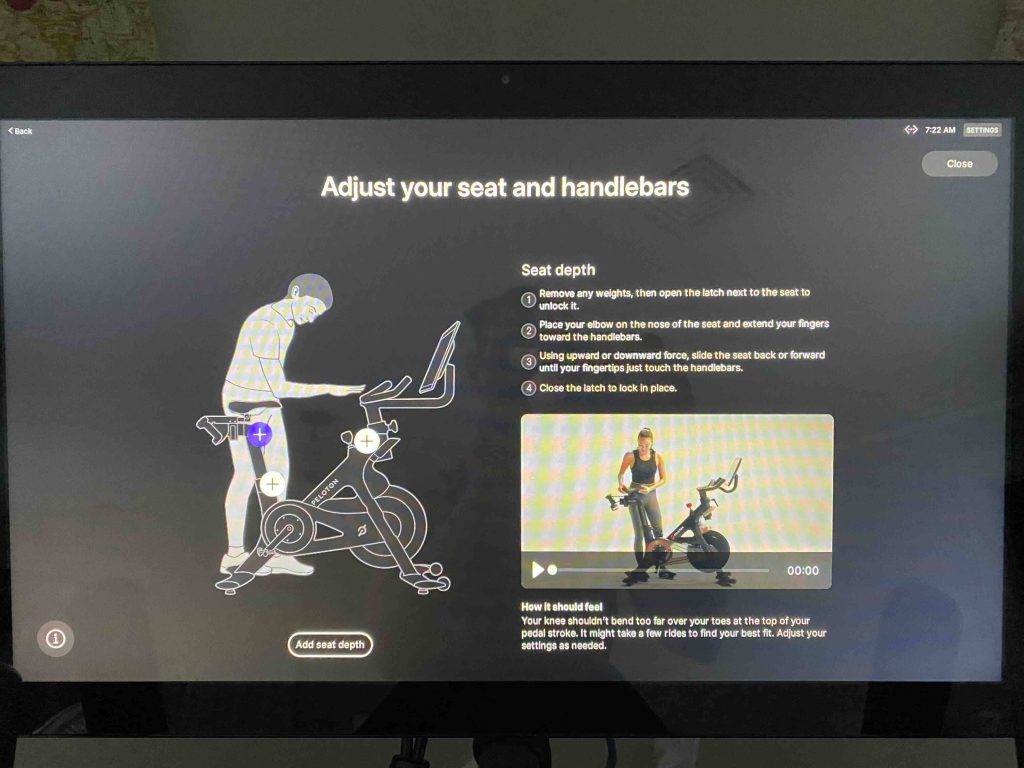
Getting your fit right before you ride is not optional, it is foundational. Peloton provides setup guidance in this blog, as well as offering tips right on the Bike screen before every ride (see above). Separately, Team Wilpers also offers professional bike fitting and technique coaching sessions for members who want a more personalized assessment.
Peloton Mistake No. 2: Chasing the Leaderboard Instead of Your Own Fitness
The leaderboard is one of Peloton’s most engaging features, and one of its most misused. New members routinely fixate on beating other riders rather than working within their own fitness zones. The result is inconsistent effort, burnout, and workouts that feel hard but do not actually build anything.

The smarter approach is training to your own output, using Power Zone methodology to ride at intensities matched to your personal fitness level. Power Zone training shifts the focus from competing with strangers to competing with your past self, which is where real progress lives. TCO has deep coverage on getting started: FTP Test on Peloton: What You Need to Know and Get Ready to Boost Your Base with Power Zone Training.
Peloton Mistake No. 3: Spinning Fast with Low Resistance
High cadence with minimal resistance is not work. Without adequate resistance, you are not creating a meaningful training stimulus, you are just moving your legs fast. Instructors call out resistance ranges in every class for a reason. Ignoring those cues means you are essentially freewheel-ing through a workout that was designed to do something specific for your body.
If you are not sure what ride type fits your goal, TCO’s Peloton Ride Guide is a solid starting point for understanding class formats and how to match them to what you are actually trying to accomplish.
Peloton Mistake No. 4: Only Taking Cycling Classes
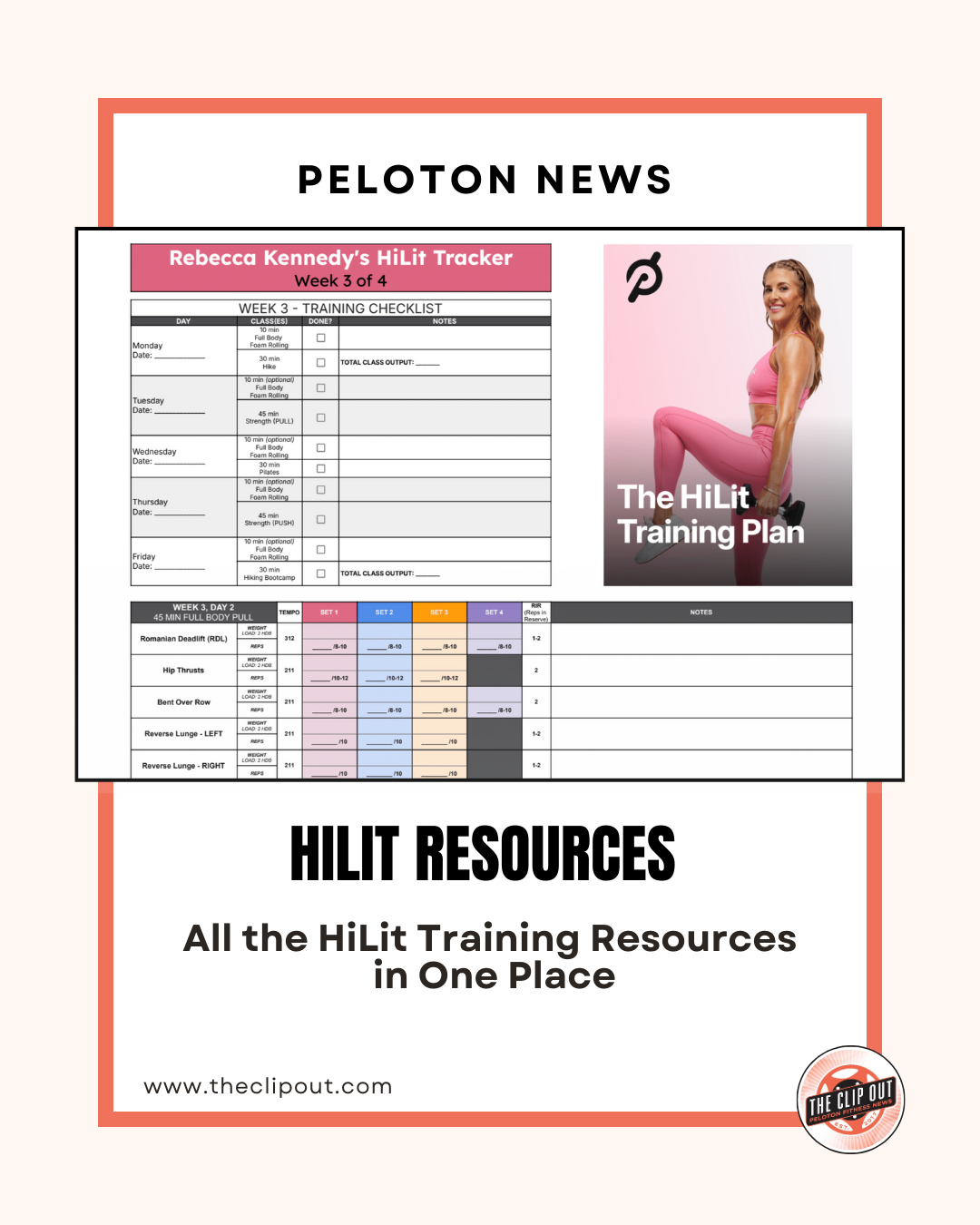
Peloton’s strength, yoga, stretching, and running content is some of the best in its library, and most riders never touch it. Cross-training and mobility work are not supplemental extras. They are critical for recovery, injury prevention, and building the kind of whole-body fitness that makes you a better rider.
If you are not sure where to start beyond the bike, TCO has you covered. Hannah Corbin’s stretching content and 7 Days of Stretching program is a practical entry point: The Amazing Power of Hannah Corbin Stretching. For a more integrated approach to mixing cardio, strength, and recovery in one plan, see TCO’s breakdown of HiLit Training and Why It Might Be the Smartest Way to Train Right Now.

Peloton Mistake No. 5: Going Too Hard, Too Often
This one is the hardest to convince people of, because effort feels productive. But riding at high intensity every single day without adequate recovery does not accelerate progress. It stalls it. Without rest days and lower-intensity work, the body never fully adapts, fatigue accumulates, and burnout or injury follows. The science on this is clear, and Peloton’s own programming reflects it. Our article on Sustainable Fitness Habits addresses the recovery piece directly.
The Common Thread
Every one of these Peloton mistakes shares the same root cause: prioritizing ego over structure. Peloton is built around smart, progressive training. The members who get the most out of it are not the ones who go the hardest. They are the ones who go the smartest. The tools are all there. You just have to use them.
The Clip Out is an independent Peloton news site with reporting, analysis, and community insights. We deliver breaking updates, feature reporting, and expert context on the stories driving the community and the industry.
Our weekly podcast offers deeper conversation and perspective, and you can find us on Apple Podcasts, Spotify, iHeart, TuneIn, and YouTube Music. You can also follow us on our socials on Facebook, Threads, Instagram, BlueSky, and YouTube.
See something in the Peloton universe that you think we should know? Visit us at theclipout.com and submit a tip.
About the Author: Elizabeth Schlosberg






Subscribe
Keep up with all the Peloton news!