

Balance and Strength Training for Menopausal Runners
Balance and strength training for menopausal runners plays a critical role in navigating perimenopause and menopause, when hormonal changes can affect muscle mass, joint stability, balance, and recovery. This article explores how specific Peloton programs can support runners in maintaining balance, stability, and strength during this stage of life. It is part of our Peloton for Perimenopause series, where we explore how to use Peloton’s programs and collections to support training, longevity, and overall wellness.
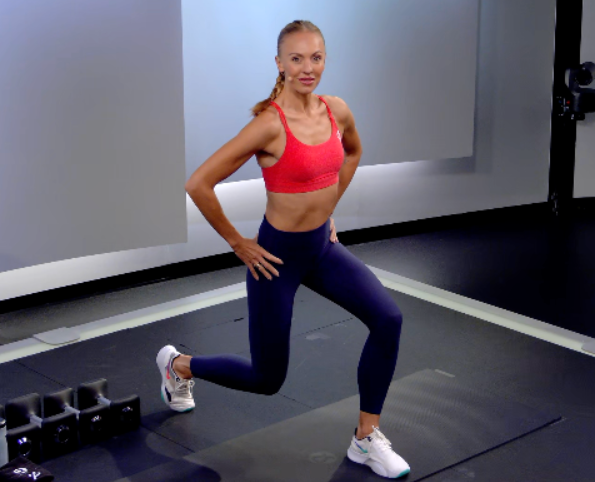
For many women, the strength conversation during menopause starts with heavy lifting, and rightly so. Progressive strength training supports bone density, lean muscle mass, metabolic health, and injury prevention. However, strength training for menopausal runners is not only about lifting heavier weights. It also includes balance, unilateral strength, core stability, and mobility. These elements allow heavy lifting and running to coexist safely and sustainably.
Peloton offers far more support in this area than many runners realize, especially through programs and collections that are not always labeled specifically for running.
Why Balance and Strength Training for Menopausal Runners is Essential
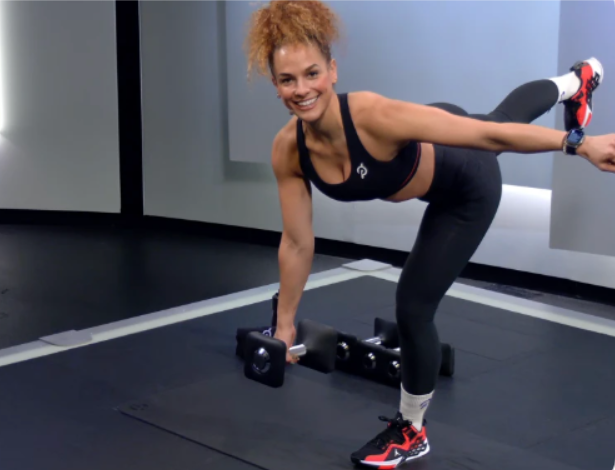
As estrogen levels fluctuate, runners may experience slower recovery, joint stiffness, changes in balance, and an increased injury risk. Proper strength training for menopausal runners helps address these changes by focusing on movement quality in addition to load. Balance work, single-leg strength, and core stability become essential components of training, not optional add-ons.
Key Peloton Programs for Balance and Strength Training for Menopausal Runners
Strength for Runners and Split to Run Programs
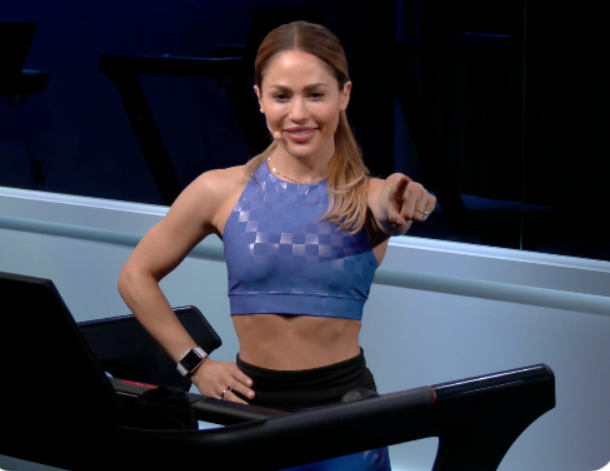
Peloton menopause strength training programs like Strength for Runners and Split to Run provide a structured starting point:
- Strength for Runners
- Jess Sims’ Split and Run
- Split and Run with Olivia Amato
Race and Recovery Support Programs

Several Peloton programs support runners even though they are not strictly labeled as strength:
- Flow to the Finish with Mariana Fernandez
- 7 Days of Stretching
Flow to the Finish was designed to complement race preparation, but it works equally well as an ongoing companion to long runs. The 7 Days of Stretching program provides a simple way to reinforce recovery and mobility, which becomes increasingly important during menopause.
Core Programs That Improve Balance and Running Efficiency
Core stability is foundational for runners, particularly as balance and neuromuscular control can change during perimenopause and menopause. Peloton menopause strength training includes core-focused programs that strongly support this, such as:
- Emma Lovewell’s Core Programs
- Straight to the Core with Rebecca Kennedy
- Strong Core Strong Body (German)
These programs build deep core strength, improve posture, and enhance running efficiency. Standing and rotational core work is especially valuable for maintaining form late in runs.
Hidden Peloton Balance and Strength Collections Runners Often Miss
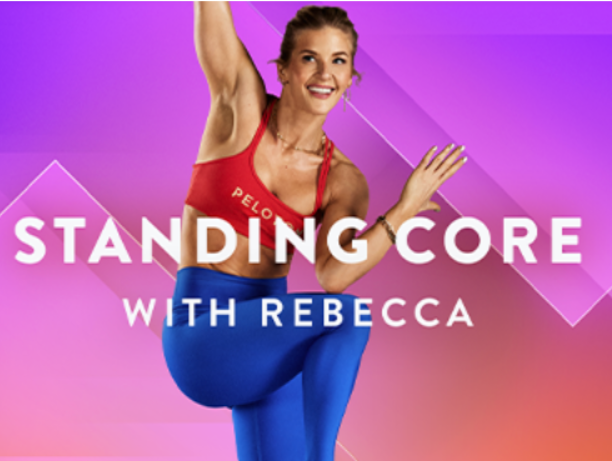
Standing Core and Core Strength with Foam Roller
Standing Core classes train strength and stability in an upright position that mirrors running mechanics. Core Strength with Foam Roller classes introduce instability, which challenges deep stabilizing muscles responsible for balance and posture.
Benefits include improved running form, better balance, and reduced low back fatigue. These collections are especially helpful during menopause, when subtle changes in coordination can occur.
Resistance Band Training
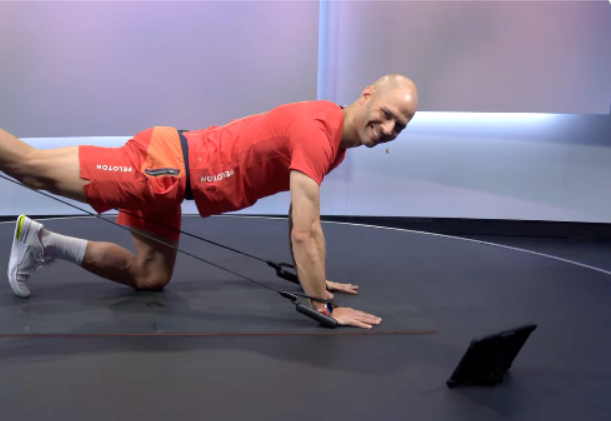
Resistance band classes are an integral part of Peloton menopause strength training, offering low impact options that improve stability and core strength. These classes help:
- Activate hips and glutes
- Improve lateral stability and knee tracking
- Strengthen the core with minimal joint stress
- Correct muscle imbalances
Because resistance bands are low impact, portable, and easy to recover from, they are ideal for recovery days, travel, and high volume training weeks. This makes them particularly well suited for runners in perimenopause and menopause.
Discover Kettlebells and Kettlebell Collections
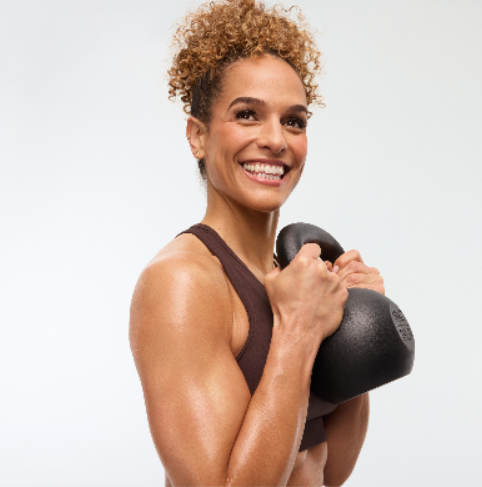
Kettlebell training is exceptionally effective for runners. Peloton menopause strength training includes the Discover Kettlebells program and kettlebell collections, which improve:
- Core and joint stability
- Glute and hamstring strength
- Single-leg balance and control
- Running economy and overall form
Movements such as single-leg deadlifts, carries, and hinges translate directly to stronger and more efficient running mechanics.
Pilates, Equipment-Based Strength, and Balance Support
Pilates with Equipment
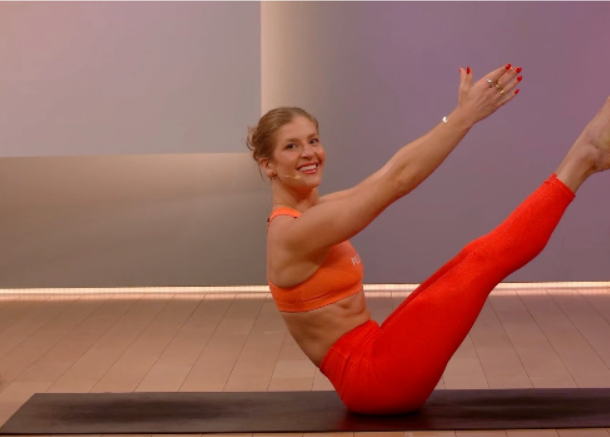
Pilates with equipment classes emphasize controlled movement, alignment, and deep core engagement. These classes support pelvic stability, balance, and posture, which are key considerations during menopause. They pair well with heavier strength days or serve as lower-intensity strength options on recovery days.
Yoga Collections That Support Strength and Balance
While yoga is often associated with mobility, many Peloton yoga collections also build strength and balance. Helpful collections include:
- Yoga for Cross Training
- Yoga Conditioning
- Yin Yoga
Yoga improves joint control, balance confidence, and muscular endurance while also supporting nervous system regulation. This combination is especially beneficial during perimenopause and menopause.
Prevention, Mobility, and Longevity Collections
Strength training during menopause works best when paired with prevention and mobility focused work. Peloton menopause strength training is complemented by collections that support long term running health, including:
- Prevention Series: Runner’s Knee
- Movement for Longevity
- Mobility
- Foam Rolling
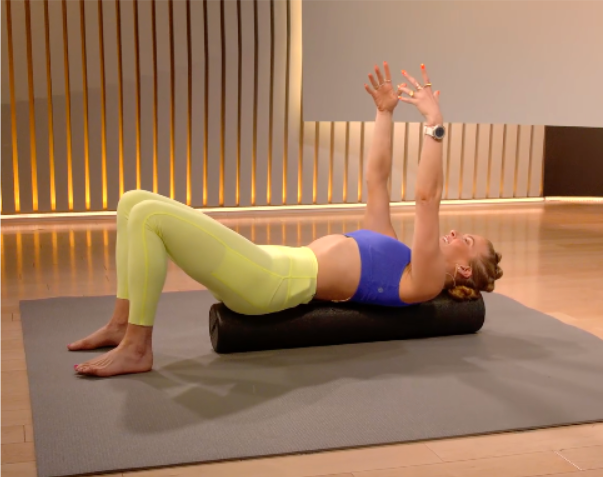
These collections improve joint range of motion, reduce stiffness, and support recovery between strength and run sessions. Better mobility allows strength gains to transfer more effectively into running form and power.
How to Build a Sustainable Peloton Strength Routine During Perimenopause and Menopause
A balanced weekly approach to Peloton menopause strength training might include:
- Two to three days of strength using Strength for Runners, kettlebells, or split programs
- One to two days of resistance band training or Pilates with equipment
- Core-focused sessions such as Crush Your Core or Straight to the Core
- Yoga or yin yoga on recovery days
- Short standing core or mobility sessions added after runs
Peloton’s flexibility allows runners to adjust intensity based on energy levels, sleep quality, and stress, which are critical considerations during perimenopause and menopause.
Why Strength and Balance Deserve a Regular Spot in Your Routine
During perimenopause and menopause, strength training is not just about performance. It is about longevity, confidence, and staying injury-free. Peloton menopause strength training removes the guesswork, making it easier to layer heavy lifting with balance, stability, and recovery-focused work that supports runners over the long term.
Whether you are training for races or simply trying to keep running strong and pain-free, Peloton strength training for menopausal runners offers practical, accessible tools that meet your body where it is and help it adapt for what comes next.
A balanced weekly approach might include two to three days of strength, one to two days of resistance band or Pilates work, and regular core sessions, yoga, and mobility. Peloton’s flexibility allows runners to adjust intensity based on energy, sleep, and stress, which are critical considerations.
During perimenopause and menopause, strength training is about longevity, confidence, and staying injury-free. The right plan removes the guesswork, layering heavy lifting with the balance and stability work that supports runners over the long term.
Tune in to The Clip Out every Friday to hear Tom and Crystal’s take on this and other hot Pelotopics. We’re available on Apple Podcasts, Spotify, Google Podcasts, iHeart, TuneIn. Be sure and follow us so you never miss an episode. You can also find the show online on Facebook.com/TheClipOut. While you’re there, like the page and join the group. Lastly, find us on our YouTube channel, YouTube.com/TheClipOut, where you can watch all of our shows.
See something in the Peloton Universe that you think we should know? Visit theclipout.com and click on Submit a Tip!
About the Author: Lisa Warner




Subscribe
Keep up with all the Peloton news!