

Evolution Of Peloton AI Automation Quietly Creating Employee Concern Behind The Scenes
Peloton AI automation is not just a product strategy. According to a March 13, 2026 report from Bloomberg, it is becoming a source of quiet concern inside the company, among the production staff, instructors, and employees who helped build the product that members fell in love with in the first place.
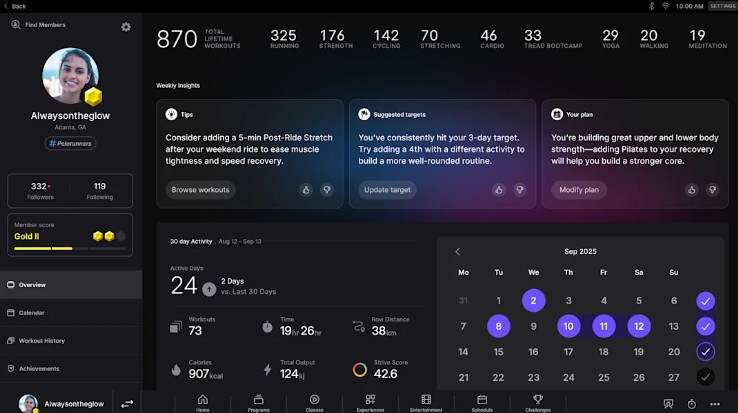
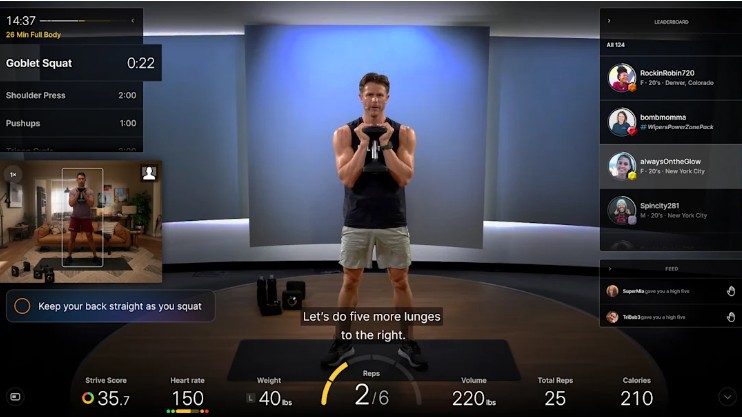
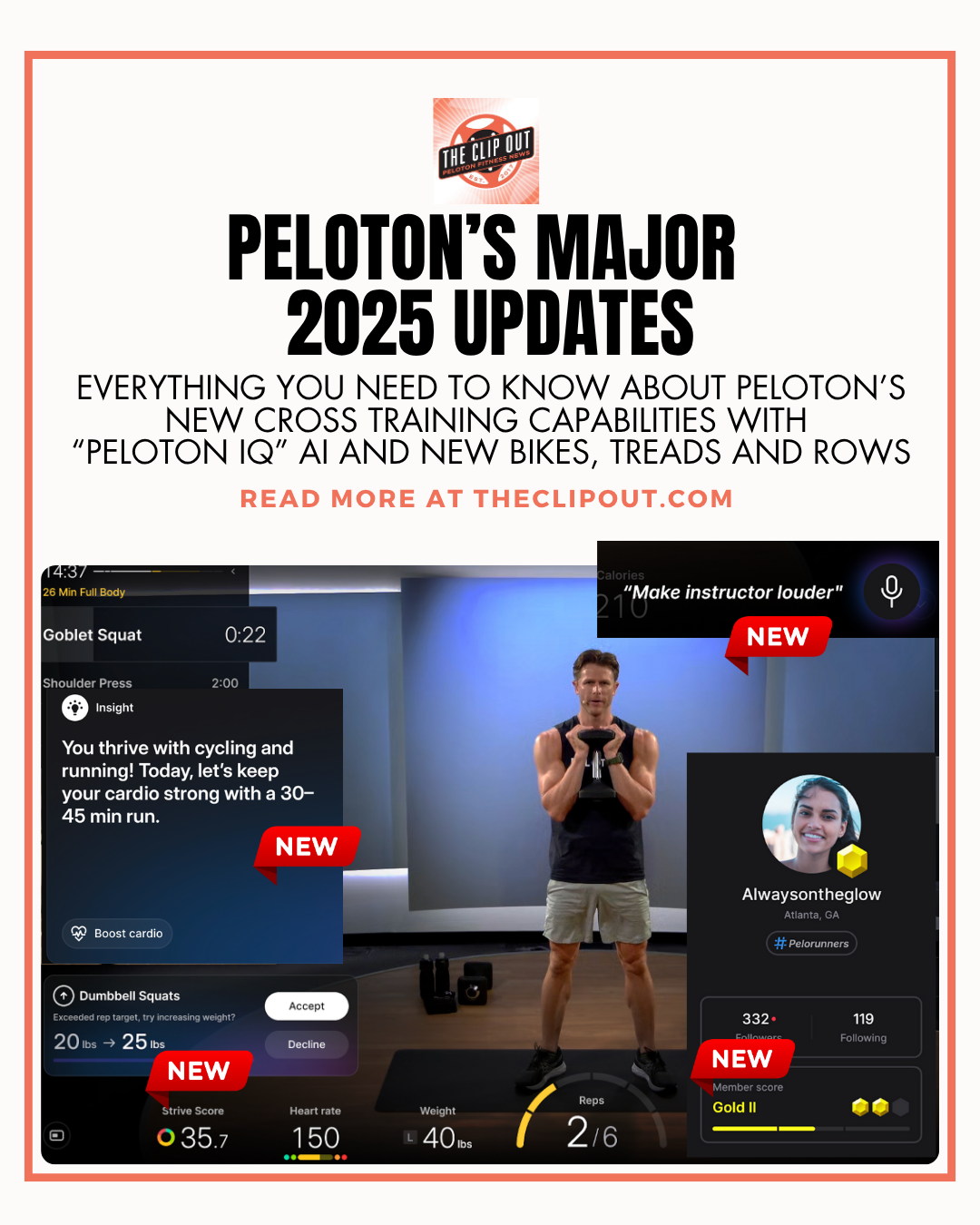
Peloton IQ, part of Peloton’s AI automation
What Bloomberg Found About Peloton AI Automation Inside the Company
Peloton built its reputation on live, human-centered instruction. The energy of a live class, an instructor’s real-time connection with the community, the feeling of riding with a person rather than a platform. Those elements drove early member loyalty and word-of-mouth growth in a way that no algorithm has yet replicated. As Peloton moves toward automated content recommendations and algorithmic workout suggestions, Bloomberg’s report says that some production employees are concerned that the rapid development of AI within the company could ultimately render their own jobs defunct.
The Instructor Question
The concern over Peloton AI automation is not limited to production staff. The Bloomberg report also points to a shift in how Peloton is thinking about its instructors. The company built a cult of personality around its flagship instructors. Members did not just buy a Peloton. They bought access to a specific person, and those instructors became genuine celebrities with their own followings, merchandise, brand deals, and cultural presence.
According to Bloomberg’s reporting, CEO Peter Stern’s vision moves away from that “Superstar Instructor” model. The focus is shifting toward coaches who can deliver data-driven results rather than fitness influencers whose value is tied only to personality and charisma.
Why This Is Happening Now
None of this is happening in a vacuum. Peloton slashed 11% of its workforce in January 2026 as part of a cost-cutting move under CEO Peter Stern, with cuts concentrated in engineering and enterprise customer teams. Shifting toward algorithmic and AI-driven operations is one of the primary tools for getting the company’s finances under control, however the company says that the cuts were not due to Peloton AI.
Peter Stern came to Peloton from Apple, where efficiency and data-driven decision-making are deeply embedded in the culture. That background shapes his approach. But Peloton is not a hardware supply chain. It is a fitness platform where the relationship between instructor and member is the product. Automating that relationship, even partially, introduces a new dynamic that is not easy to resolve with a spreadsheet.
The GLP-1 Factor
Part of what is driving the cultural shift is Peloton’s deliberate pivot toward members using GLP-1 weight loss medications. Bloomberg’s March 13 report details how Peloton under Stern has been redirecting its strategy toward GLP-1 users, a member profile that is fundamentally different from Peloton’s original audience.
Members motivated primarily by weight loss outcomes are less focused on instructor celebrity and community energy and more focused on results. That is a legitimate and growing market. But will optimizing for that audience mean a trade-off for the very things, the live energy, the instructor personality, the community culture, that made Peloton distinct from every other on-demand fitness platform?
The Bigger Question Peloton Has to Answer
The sentiment Bloomberg captured is really about one thing: identity. Peloton built its brand on the idea that fitness could feel personal, communal, and human even when you were alone in your living room. That was not accidental. It was the result of deliberate investment in instructors, in live production, and in the kind of energy that no other on-demand platform had managed to replicate at scale.
The challenge facing Peloton now is not whether to embrace efficiency. Given the company’s financial goals, that is not optional. The real challenge is figuring out how to pursue that efficiency without hollowing out the thing that made Peloton worth caring about in the first place. Those two goals are not necessarily in conflict, but they require intentional planning to hold together.
Bloomberg’s reporting suggests that the people closest to the product are still waiting to see how that balance gets struck. That is worth paying attention to, not as a sign of crisis, but as a signal that the cultural side of this transition deserves as much strategic attention as the financial side.
The Clip Out is an independent Peloton news site with reporting, analysis, and community insights. We deliver breaking updates, feature reporting, and expert context on the stories driving the community and the industry.
Our weekly podcast offers deeper conversation and perspective, and you can find us on Apple Podcasts, Spotify, iHeart, TuneIn, and YouTube Music. You can also follow us on our socials on Facebook, Threads, Instagram, BlueSky, and YouTube.
See something in the Peloton universe that you think we should know? Visit us at theclipout.com and submit a tip.
About the Author: Nikki Smith





Subscribe
Keep up with all the Peloton news!