Peloton Adaptive Cycling Breaks Barriers
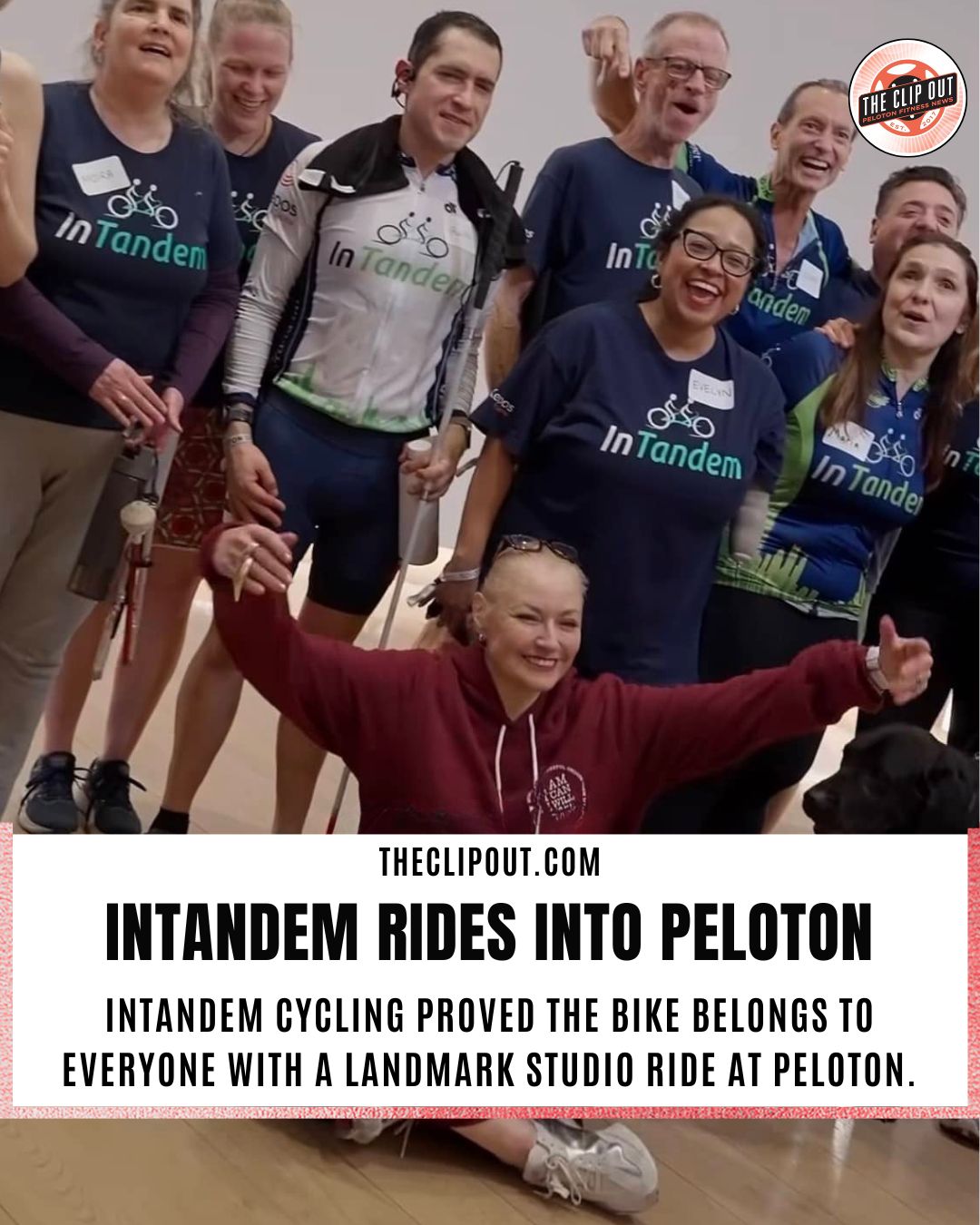
Peloton adaptive cycling took center stage on February 20, 2026, as members of InTandem Cycling brought their community into Peloton Studios for a 30-minute rock ride. The nonprofit supports cyclists who are blind or visually impaired, and the studio session offered a real-world example of how inclusive coaching and technology can expand access to cycling.
Inclusive Cycling in the Studio
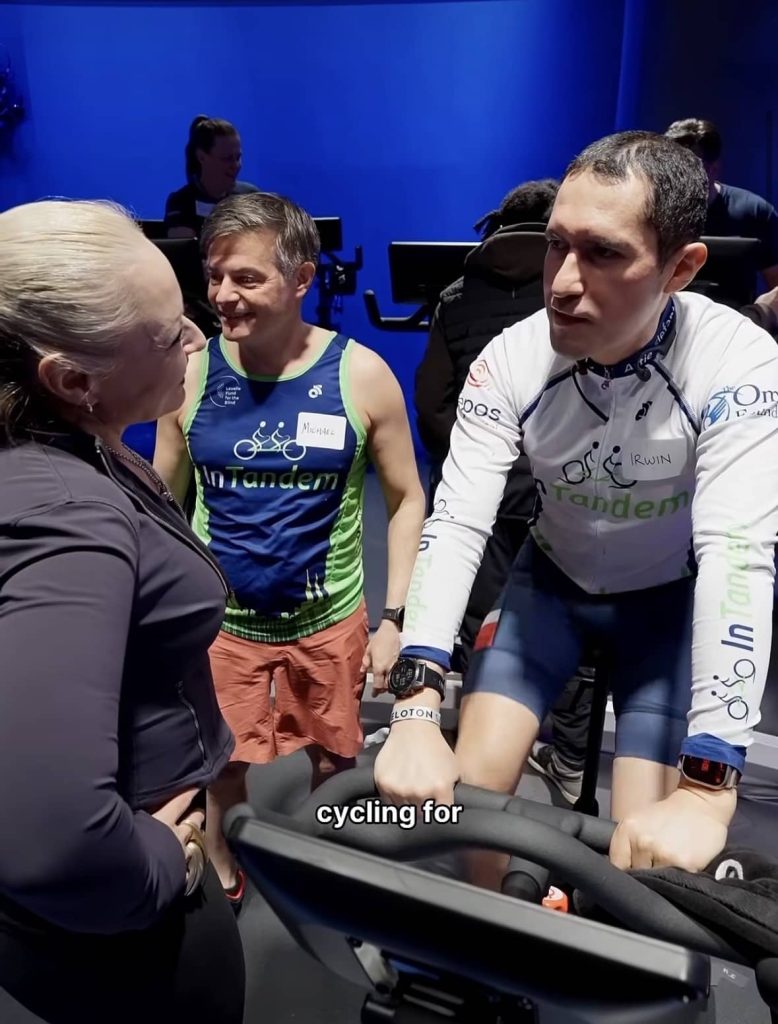
The ride took place inside Peloton Studios rather than at an external venue. That distinction matters. Welcoming an adaptive cycling organization into the studio reinforces that the space belongs to the full cycling community, including athletes participating in Peloton adaptive cycling programs and riders who experience the sport differently.
Christine D’Ercole Leads a Feel-Good Ride
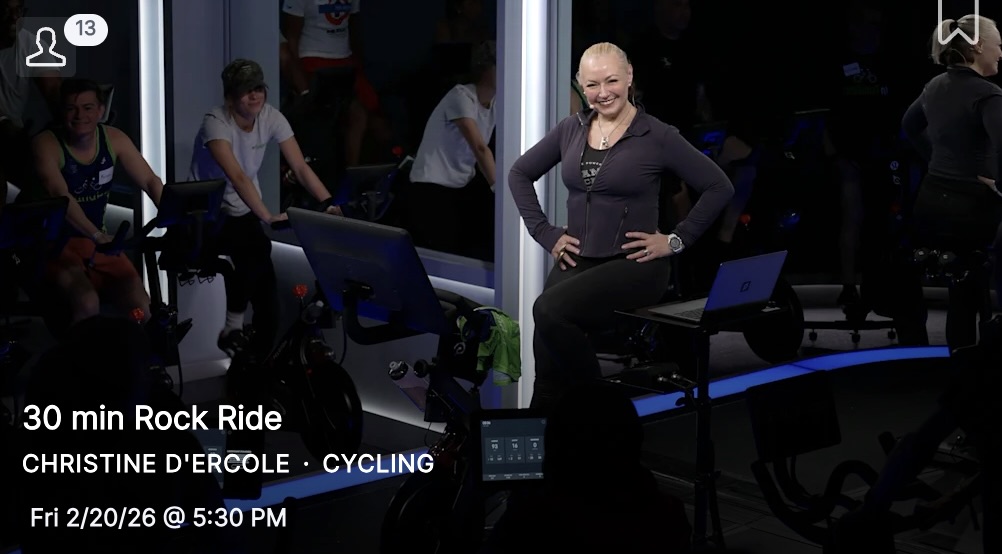
Instructor Christine D’Ercole led the session, guiding riders through the class with coaching that focused on feel rather than on screen visuals. She cued resistance and cadence through body awareness and clear audio instruction, an approach that works particularly well for blind and low-vision riders participating in the Peloton adaptive cycling class.
The rock playlist kept the energy high, but the coaching approach made the biggest difference. It was a feel-good ride that still delivered a solid challenge, the kind of session that leaves you smiling while your legs remind you that you worked. Christine’s energy carried throughout the class, and she had riders smiling along the way even as the effort ramped up.
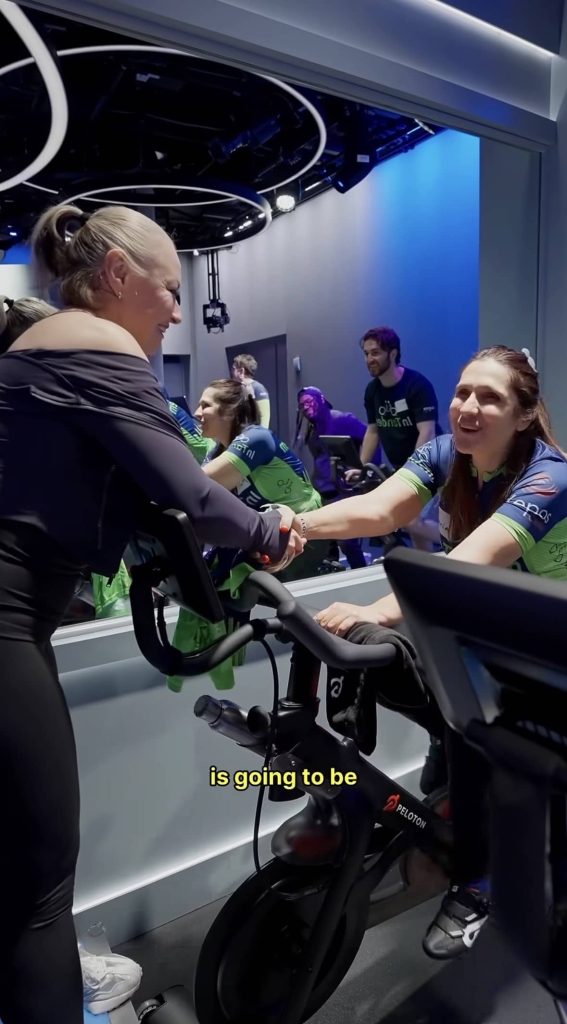
Instead of relying on visual cues from the screen, riders followed D’Ercole’s verbal guidance to maintain rhythm and effort throughout the ride. The combination of clear audio coaching and strong music created an atmosphere that worked for every rider in the room.
What is InTandem Cycling
Founded by Artie Elefant, InTandem Cycling is a New York City-based nonprofit that creates cycling opportunities for people who are blind or have low vision. Elefant lost much of his vision as an adult and began exploring ways to stay connected to the sport he loved.
The organization pairs visually impaired riders, known as stokers, with sighted cyclists called captains. Captains handle navigation while stokers contribute power from the rear seat of a tandem bike. Together, they form a partnership that makes blind and visually impaired cycling both safe and empowering.
Before any pair rides together, participants complete training that covers tandem bike handling, communication techniques, and safety protocols. The preparation ensures that both riders feel confident on the road.
Many of the group rides take place in Central Park, where InTandem organizes regular outings along one of the most recognizable urban cycling routes in the world. The nonprofit also operates youth programs pairing teenagers with and without visual impairments, helping build communication skills and empathy alongside fitness. At the end of class, D’Ercole also shared that she plans to continue supporting the community beyond the studio. She said she hopes to join riders on future tandem rides in Central Park.
Peloton’s Commitment to Adaptive Fitness
Peloton has been building its Peloton adaptive programming with intention. The platform’s Adaptive Training Collection, led by instructor Logan Aldridge, includes 56 classes designed for athletes with a range of physical abilities. Seated and standing options are built from the ground up for adaptive athletes, not retrofitted from standard classes.
Aldridge also developed the Adaptive Seated Transfer Program, helping seated athletes build strength for safe wheelchair transfers. Peloton also built TalkBack directly into its hardware, delivering audio feedback on performance metrics and supporting navigation for blind and low-vision members. The InTandem studio visit pushes that commitment further into the real world.
While details about how the visit came together have not been publicly shared, the moment highlights the growing importance of adaptive sports within the broader fitness industry.
As adaptive athletes continue gaining visibility, initiatives like this help show how technology, coaching, and community can work together to make cycling more inclusive for everyone.
And if this studio ride proved anything, it is that Peloton adaptive cycling is just getting started. The ride is now available in Peloton’s on-demand library. Have you taken it yet?
To learn more about InTandem Cycling or get involved, visit intandembike.org.
The Clip Out is an independent Peloton news site with reporting, analysis, and community insights. We deliver breaking updates, feature reporting, and expert context on the stories driving the community and the industry.
Our weekly podcast offers deeper conversation and perspective, and you can find us on Apple Podcasts, Spotify, iHeart, TuneIn, and YouTube Music. You can also follow us on our socials on Facebook, Threads, Instagram, BlueSky, and YouTube.
See something in the Peloton universe that you think we should know? Visit us at theclipout.com and submit a tip.
About the Author: Jen Kern

Latest Podcast




Subscribe
Keep up with all the Peloton news!