
Matt Wilpers Power Zone Training Plan: The Full 2026 Roadmap Revealed
Matt Wilpers Power Zone Training Plan: The Full 2026 Roadmap Revealed
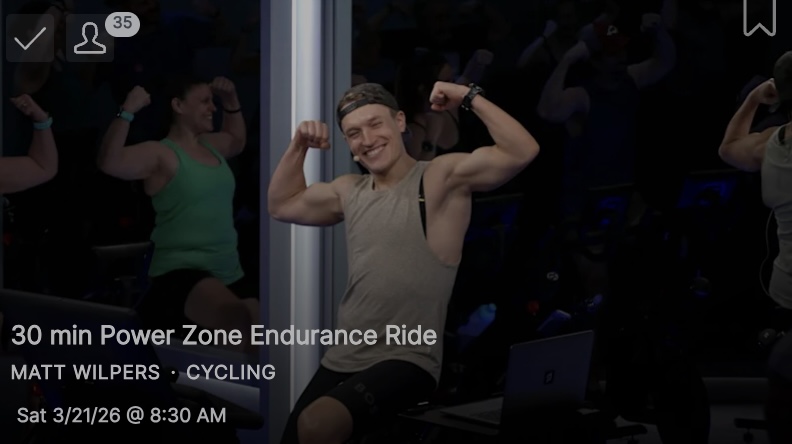
Matt Wilpers’ Power Zone training plan for 2026 has been building quietly all year, and on March 21, he finally put all the pieces on the table. During his 8:30 a.m. ET Power Zone Endurance ride, he laid out the month-by-month periodization roadmap covering the rest of the year, giving members who have been following along a clear picture of where this is all headed.
What Matt Said, in His Own Words
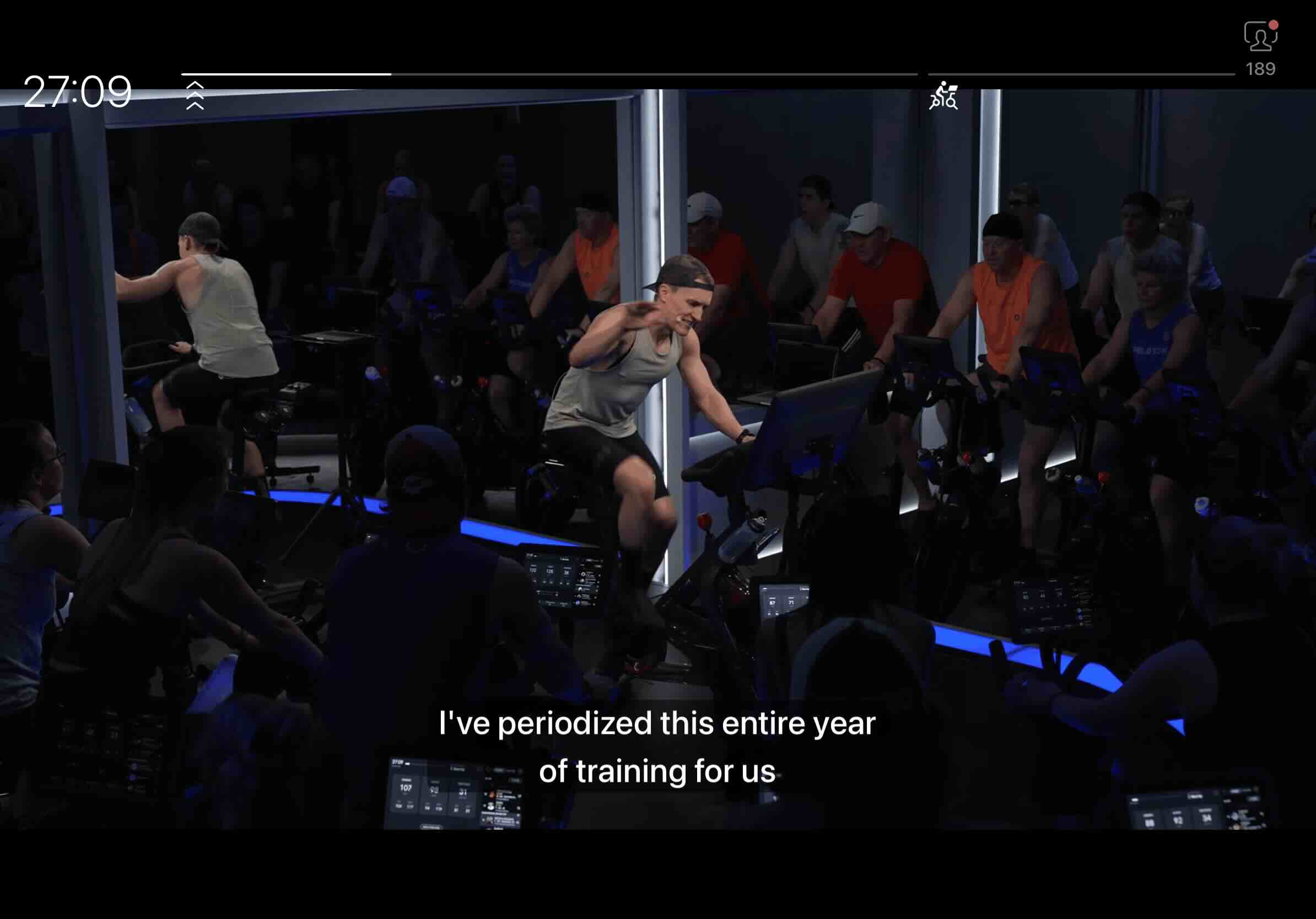
When Matt speaks, we listen. During the warmup he outlined his vision for our training moving forward.
I’ve periodized this entire year of training for us, all of our live classes together. The month of March here, this is our last month of base work. May and June will transition. June is our first peak month (Threshold, VO2, a little anaerobic capacity in there.) We’ll do a little absorption for July. August will be our second peak month. And then we’re going to go back to the basics in September.
So if you’ve been enjoying all the endurance classes in January and February (because of, or in spite of, all the long Zone 3 efforts he’s had us doing), fear not. You WILL see PZE again this fall!
Wilpers Knows Best: Periodization Done Right
What Matt is describing is classical periodization, the same framework used in competitive endurance sport. It is not a new concept, but applying it to a Peloton live class schedule in a coherent, year-long structure is a new approach. Most members train reactively, choosing classes based on mood or availability.
Matt is asking his riders to think about training the way a coached athlete would: building a base, peaking at the right moment, recovering, and peaking again. He has long advocated for members to think about their own training seasons, but here, he is helping those of use who don’t race find some structure. Thanks, Matt!
January and February were dedicated to base training, and March brings that foundation phase to a close. The structure he described on March 21 follows a logical progression. A base phase builds the aerobic engine. The first peak block in June develops threshold and VO2 capacity on top of that foundation. July’s absorption phase allows the body to consolidate those adaptations. The second peak in August is where riders who have followed the plan from the start should expect to see their strongest performances. The return to basics in September signals the beginning of a new base cycle, starting the process over with a higher ceiling than the year before.
Research shows consistent endurance training improves mitochondrial function, enhances fat metabolism, and boosts cardiovascular health, all of which are essential for long-term fitness and overall healthspan. That is the science underpinning everything Matt is building.
If you want a deeper dive into the methodology, our full Boost Your Base program review breaks down exactly why Zone 2 work forms the foundation of this kind of training. Peloton led this programming in 2025 with live weekly workouts that were well-received by even seasoned Power Zone riders.
That concept of raising the ceiling by first building the floor also aligns directly with what Hannah Frankson has described in her own structured approach to HIIT and Hills for 2026. In a recent 45 Minute class, she noted that this class is a new starting point, and that together riders will “raise the floor” rather than “reach for the ceiling” by using a repeating structure for the rest of the year.
The philosophy across both instructors is the same: consistent, structured work compounds over time. You can read more about her approach in our article Lock In: Hannah Frankson’s HIIT and Hills New Class Plan for 2026. (And, can we just mention that Hannah’s fangirling for Matt makes this alignment even more lovely!)
Matt Wilpers’ Power Zone Training Plan Is Part of a Larger Trend
Matt is not operating in isolation. A broader trend is taking shape across the Peloton instructor roster, with individual coaches developing their own structured, repeating programming outside of official Peloton programs.
On the strength side, the parallels are clear. Joslyn Thompson Rule has confirmed that her unofficial strength split will not be limited to January, but will instead expand into a year-long programming strategy for 2026, with her Monday live classes serving as the blueprint for the remainder of the year. You can read the full breakdown in our article Joslyn Thompson Rule’s Unofficial Strength Split Strategy 2026.
Meanwhile, Andy Speer has built his own repeating framework through the unofficial TS60 series and Trifecta programming, giving strength riders the same kind of structured, month-over-month progression that Matt is delivering in Power Zone. (This month, Speerheads have christened a new term as their weekly planning includes a Live TS 60, a library TS 60, and a class from Andy’s Density Program – it’s called the “Trifensity” and members love it!)
That level of cross-discipline coordination, even if informal, points to something meaningful developing across the Peloton instructor roster.
How to Follow Along
If you are not yet following Matt’s Saturday morning live rides, this is the right time to start. The plan is unofficial, meaning it does not live in the Peloton app as a formal program, but the roadmap he laid out on March 21 is clear enough to follow without one. If you have not yet taken your FTP test this month, that is the immediate priority. (Even Matt just retook his, which we wrote about here.) Entering the spring training block with accurate, current zones in place is how you get the most out of everything that follows.
Matt has spent years building the Power Zone framework at Peloton. This year, he is using it to train his community the way a coach trains athletes: with a plan, a purpose, and a clear finish line in mind. We love to see it!
The Clip Out is an independent Peloton news site with reporting, analysis, and community insights. We deliver breaking updates, feature reporting, and expert context on the stories driving the community and the industry.
Our weekly podcast offers deeper conversation and perspective, and you can find us on Apple Podcasts, Spotify, iHeart, TuneIn, and YouTube Music. You can also follow us on our socials on Facebook, Threads, Instagram, BlueSky, and YouTube.
See something in the Peloton universe that you think we should know? Visit us at theclipout.com and submit a tip.
About the Author: Elizabeth Schlosberg






Subscribe
Keep up with all the Peloton news!