
2 Sponsored Peloton Classes: A New Revenue Strategy or Instructor Support?
Sponsored Peloton classes may not be an entirely new concept, but two events that took place at Peloton Studios New York within roughly the same week are drawing attention in a way that feels different from anything the platform has done before. First, Jess King led a Culturelle Probiotics-sponsored ride where the class content centered on gut health and core strength, an extension of Jess’s role as Culturelle’s Chief Wellness Ambassador.
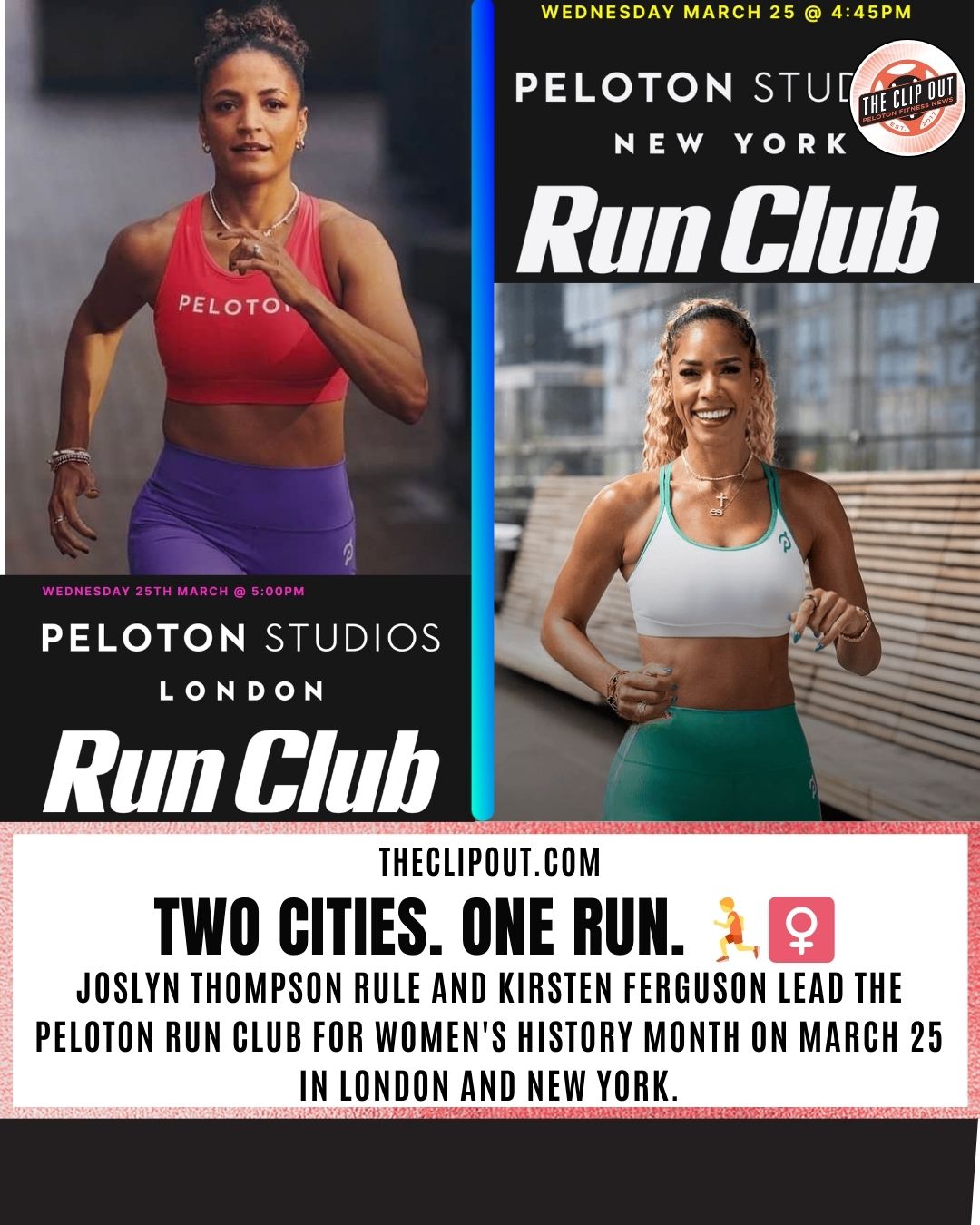
Then Kirsten Ferguson, who lists Mush as a paid partner on her Instagram, hosted a Women’s History Month run with Mush branding throughout the event. Both classes came with exclusive invitations to influencers and brand ad partners, generating a wave of coordinated Instagram activity from attendees posting under #adpartner. That combination of in-studio branding and influencer activation raises an interesting question: is Peloton supporting its instructors’ existing partnerships, or is this the early architecture of a more calculated sponsored content strategy?
Peloton Has Been Here Before, Sort Of
Peloton’s history with brand-sponsored content is not a blank slate. The platform’s most prominent and long-standing corporate partnership has been with Chase Sapphire, which began in 2020. Over the years, that relationship evolved beyond equipment perks to include Chase-exclusive classes at Peloton Studios New York, as well as at various events around the country such as Miami Race Weekend and the Formula 1 Las Vegas Grand Prix.
The lululemon partnership, launched in 2023, pushed further into content territory. In 2024, Peloton experimented with a format called the Peloton x lululemon Look Cam, a roughly 30-second video clip showcasing lululemon apparel shown before a Peloton class. The overall reception from the Peloton member community was lukewarm, with many objecting to advertisements appearing inside a paid subscription platform.
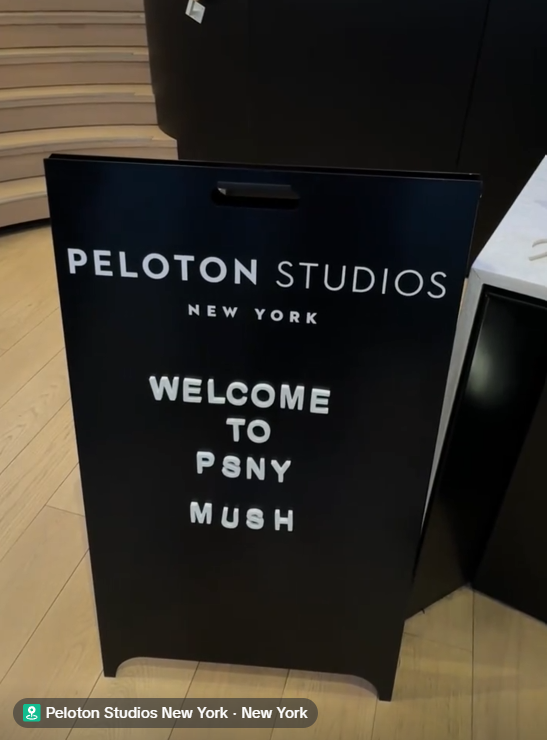
Around the same time, lululemon hosted a full members weekend takeover at Peloton Studios New York, with exclusive access limited to invited lululemon members. That studio takeover format is a meaningful precedent for what appears to be happening now with Culturelle and Mush, where PSNY’s own welcome signage listed the brand name alongside the studio, and directional signage inside the building guided guests specifically to the branded event.
What the Signage Tells Us
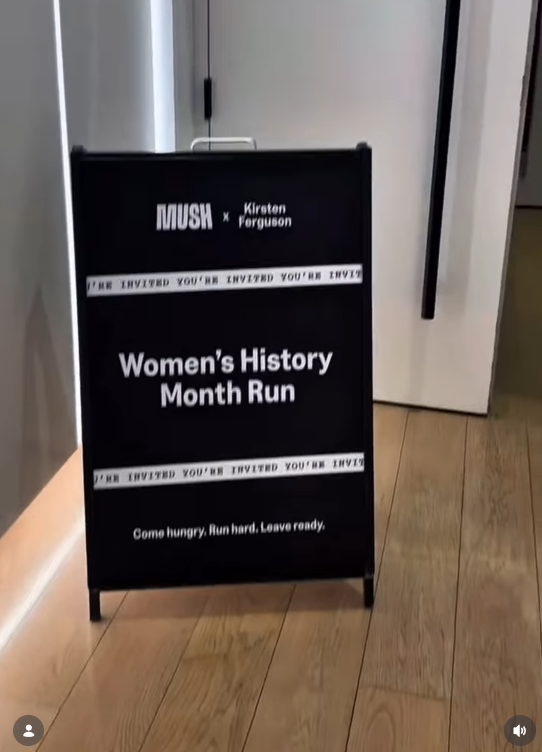
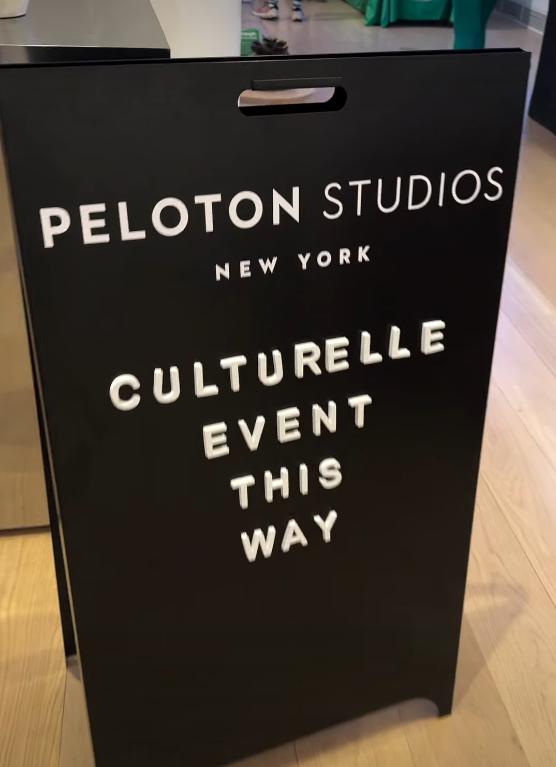
The physical presentation of both events at PSNY is worth noting. For the Culturelle ride, a large pull-up banner inside the studio read “Today’s Ride with Jess King X Culturelle Probiotics” and featured product imagery alongside Jess’s likeness. A separate A-frame directed guests with the words “Culturelle Event This Way.” For the Mush run, a branded A-frame read “Mush x Kirsten Ferguson / Women’s History Month Run / Come hungry. Run hard. Leave ready.” and a second PSNY welcome sign listed Mush by name alongside the studio itself.
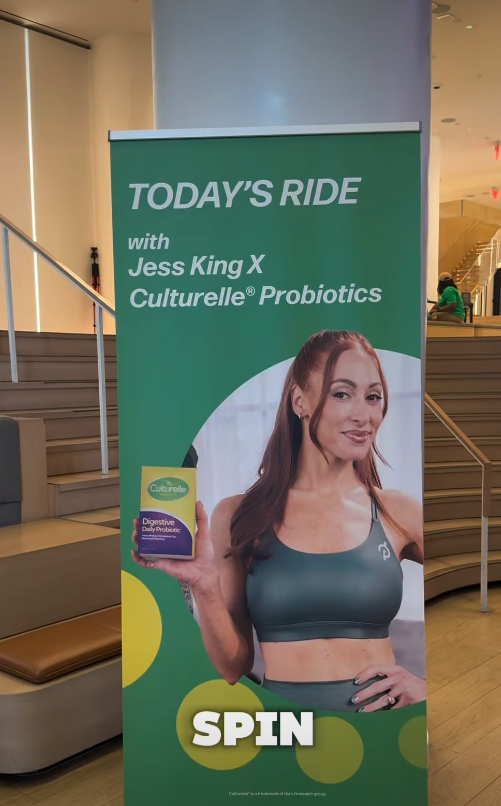
This is not a logo on a water bottle. The studio’s own infrastructure, its signage, its welcome experience, was dressed in brand identity. That level of integration does not happen without Peloton’s direct involvement and approval. Whatever the commercial arrangement behind these events, Peloton Studios New York was an active participant in presenting these brands to attendees, not a passive backdrop.
What Makes These Two Classes Structurally Different
The lululemon Look Cam was a pre-class advertisement appended to existing content. What happened with the Culturelle ride and the Mush run is different in structure: the instructor’s personal brand partnership is the organizing premise of the event. Jess King was named Culturelle’s Chief Wellness Ambassador in December 2025, with the brand announcing she would lead education around gut health as part of the partnership.
The Culturelle ride was not a Peloton class with a sponsor attached after the fact. It was an extension of her ambassador work, hosted inside Peloton’s flagship studio and amplified through a coordinated influencer rollout. Attendees specifically noted that Culturelle Probiotics invited them to a Peloton class where the content addressed gut health and core strength, reflecting Jess’s ambassador messaging directly.
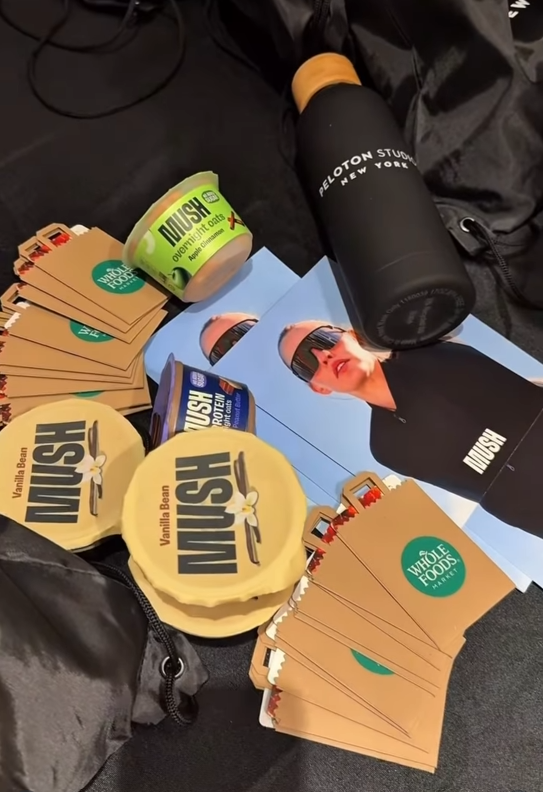
Kirsten Ferguson’s Mush class followed the same model. Ferguson’s Instagram post on the event carries the #mushpartner tag, confirming a formal paid relationship. Mush branding was present throughout the event space, and multiple influencers across Instagram noted they were invited to the class directly by Mush, not by Peloton.
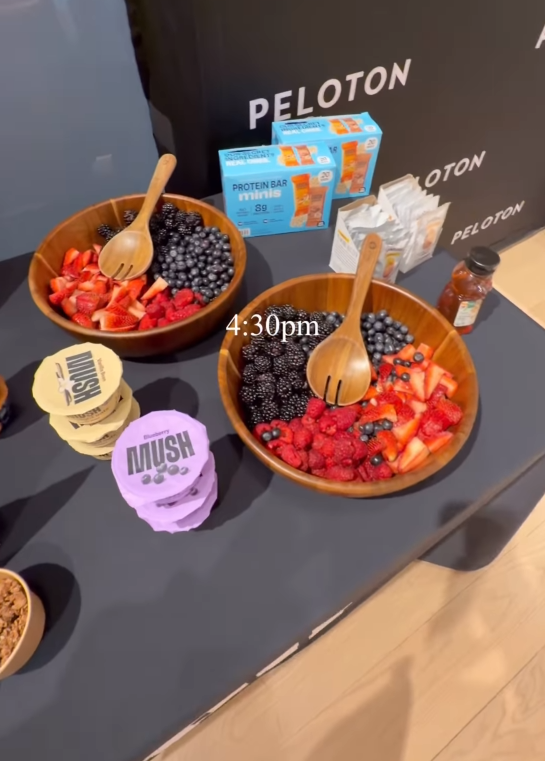
That detail is significant. In both cases, the brand, not Peloton, appears to have driven the guest list. Peloton provided the studio, the instructor, and the platform. The brand provided the audience.
Sponsored Peloton Classes: The Revenue Question
This is where the speculation becomes relevant. During Peloton’s Q2 2026 earnings call, CEO Peter Stern addressed whether advertising could become a meaningful new revenue stream for Peloton. Stern made clear that traditional advertising on the Peloton platform is not currently part of the plan.
That is a notable statement to hold alongside what is visible in these photos. There are two reasonable interpretations. The first is that Peloton is genuinely acting in support of its instructors, lending its studio and platform to help Jess and Kirsten activate their own brand partnerships, with Peloton benefiting from content, community goodwill, and instructor loyalty without necessarily taking a direct cut. The second is that what we are seeing is the evolution of sponsored content model that Peloton is not yet ready to categorize as advertising.
Both interpretations can be true simultaneously. A class does not need to be sold internally as an ad product to function like one externally.
A Format That Works for Everyone Involved
Whatever the strategic label, the practical mechanics of this format appear to benefit every party. The instructor activates a paid brand partnership with the backing of Peloton’s studio infrastructure and production credibility. The brand reaches a targeted, wellness-focused audience in an environment that carries significant trust.
The invited influencers and ad partners receive exclusive access and a natural context for #adpartner content that reads as experiential rather than transactional. And Peloton receives either direct revenue, instructor goodwill, or both, depending on what these arrangements look like behind closed doors.
Peloton’s own marketing framework positions its instructors as ongoing creators, narrative carriers, and trust builders who give the platform a human face and a reason to return. A sponsored class built around an instructor’s existing brand identity fits that framework precisely, whether or not Peloton is monetizing it directly.
What to Watch For
The Chase and lululemon precedents demonstrate that Peloton is willing to integrate brand partners into the studio experience when the relationship warrants it. What is new here is that the organizing principle appears to be the instructor’s individual ambassador deal rather than a Peloton-level corporate partnership. The brand is driving the guest list. The instructor’s personal partnership is driving the content. And Peloton Studios New York is providing the venue and the credibility.
If additional instructors begin hosting classes built around their personal brand partnerships, and if those classes continue to include curated brand-driven guest lists and coordinated influencer activations, the format will be difficult to characterize as anything other than a sponsored content product. Whether Peloton calls it that publicly remains to be seen. These two classes may be a limited experiment. They may also be a deliberate test of how far this model can scale before it requires a more formal definition.
Your Thoughts?
What do you think is driving these events? Is Peloton lending its platform to support its instructors, or is this the beginning of something more commercial? And if sponsored classes become a regular part of the Peloton experience, would you attend one? Let us know in the comments.
The Clip Out is an independent Peloton news site with reporting, analysis, and community insights. We deliver breaking updates, feature reporting, and expert context on the stories driving the community and the industry.
Our weekly podcast offers deeper conversation and perspective, and you can find us on Apple Podcasts, Spotify, iHeart, TuneIn, and YouTube Music. You can also follow us on our socials on Facebook, Threads, Instagram, BlueSky, and YouTube.
See something in the Peloton universe that you think we should know? Visit us at theclipout.com and submit a tip.
About the Author: Nikki Smith

Latest Podcast

Subscribe
Keep up with all the Peloton news!