Robin Arzon: Strength Training Is the Ultimate Secret Weapon for Longevity
Robin Arzon: Strength Training Is the Ultimate Secret Weapon for Longevity
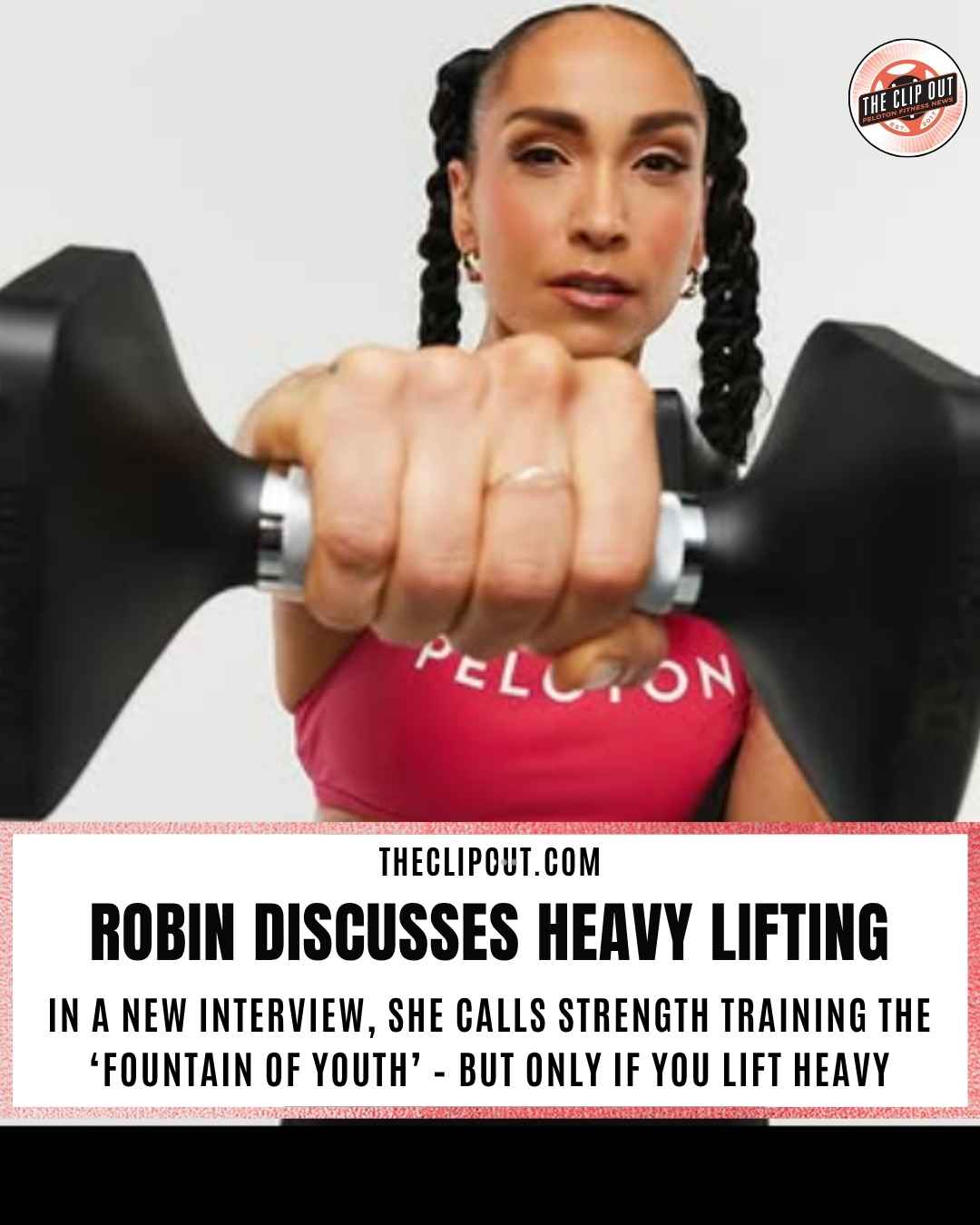
The Peloton VP Says Lifting Heavy Is Her “Fountain of Youth” and She Wants Women to Stop Selling Themselves Short
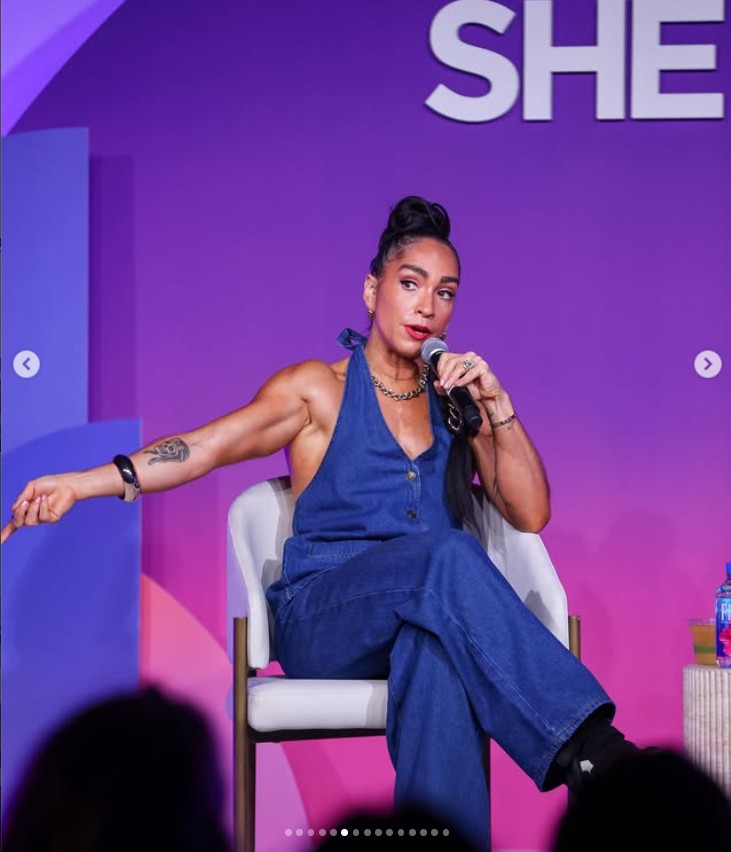
For Robin Arz0n, her strength training advice has always been direct and energizing, and her recent conversation with Flow Space at the 2026 SHE Media Co-Lab at SXSW in Austin was no different. The Peloton vice president of fitness programming and head instructor sat down with SheKnows editor-in-chief Katherine Steinberg, who asked her point blank: is lifting heavy weights a silver bullet for longevity? Robin’s answer was a resounding yes, but with one important caveat. You have to actually go heavy.
Why Robin Arzon Calls Strength Training the “Fountain of Youth”
Robin was unequivocal about where she stands. “With respect to strength training, especially in that context of longevity, what I think is the fountain of youth,” she told the audience. She also made it clear that the fitness community is finally starting to dismantle some long-standing myths, especially when it comes to women and heavy lifting. For Robin Arzon, strength training advocacy is rooted in the mission of changing the narrative around what women are capable of and what their bodies actually need.
The Myth That Just Won’t Die
One of the biggest barriers holding women back in the weight room is the persistent fear that lifting heavy will make them look bulky. She sees this play out constantly, and it frustrates her. “I still see, almost every day, women picking up weights that are too light to actually move the needle on preserving muscle mass and bone density.” That concern about getting bulky is a myth, she emphasized, and it is actively working against women’s long-term health. Her strength training messaging is consistent: stop going light, start going heavy.
How Heavy Lifting Actually Works
So why does heavier weight matter so much? It comes down to mechanical tension. When you use a weight that challenges your muscles, it forces them to work harder, which triggers growth and strength adaptation. Robin explained it this way: “If I circle my arms, it’s going to take a lot longer to create mechanical tension. But if I’m doing that with a 20-pound dumbbell or a barbell, it’s going to be a lot easier to achieve.” She also noted that research supports the idea that all reps are useful, whether you are doing three heavy reps or twenty lighter ones, as long as you are creating that necessary tension. This strength training philosophy is grounded in science, and it is hard to argue with the results.
How to Know If You Are Lifting Heavy Enough
Here is where things get practical. Robin says the last rep or two of a set should feel genuinely hard. You should be slowing down involuntarily and digging deep to finish. If you can breeze through all ten reps of a bicep curl without much effort, the weight is probably too light. “I would rather somebody pick up weights and get to the eighth rep, or maybe the ninth rep, rather than feel like they’re checking off a box to get to that 10th rep,” she said. The goal is to reach that point of real challenge. “That’s the difficulty that we’re seeking and that’s actually where you’re going to engage and enact the change,” she added.
The Bottom Line
The research backs Robin up. Progressively increasing weight over time and staying consistent has been shown to be more effective than complicated routines when it comes to building durable strength. Robin Arzon’s strength training advice ultimately comes down to this: trust your body, challenge yourself, and do not be afraid of the heavier weights. The feeling of pushing past what you thought you could do, she says, is something that goes far beyond the workout itself.
The Clip Out is an independent Peloton news site with reporting, analysis, and community insights. We deliver breaking updates, feature reporting, and expert context on the stories driving the community and the industry.
Our weekly podcast offers deeper conversation and perspective, and you can find us on Apple Podcasts, Spotify, iHeart, TuneIn, and YouTube Music. You can also follow us on our socials on Facebook, Threads, Instagram, BlueSky, and YouTube.
See something in the Peloton universe that you think we should know? Visit us at theclipout.com and submit a tip.
About the Author: Nikki Smith

Latest Podcast


Subscribe
Keep up with all the Peloton news!