

Don’t Skip Peloton’s New Zone 2 Heart Rate Training Collection if You Want a Stronger Aerobic Base
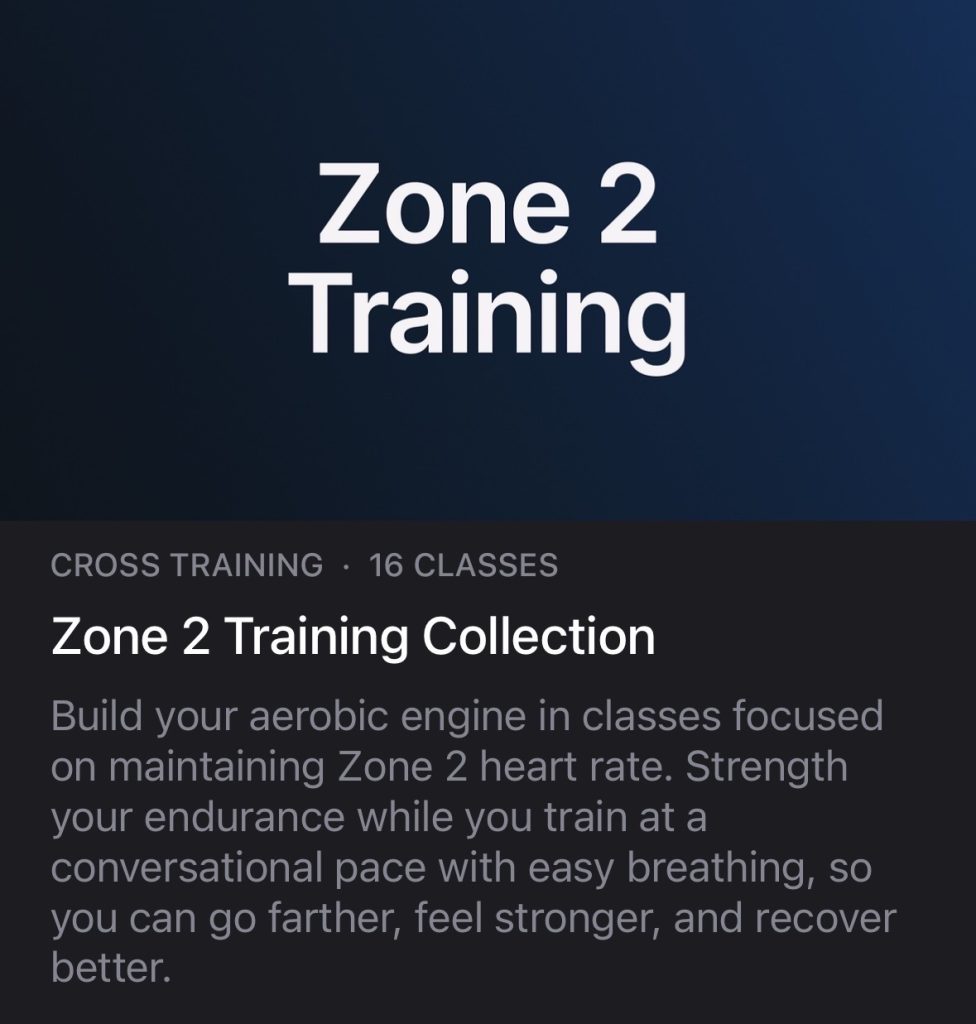
Peloton has launched a dedicated zone 2 heart rate training collection, giving members a curated set of 16 classes currently available, built around the low-intensity, high-value training approach that has been gaining serious attention in sports science and mainstream fitness circles alike.
What Is Zone 2 Heart Rate Training?
Zone 2 heart rate training targets 60 to 70 percent of your maximum heart rate. It is the zone where effort feels sustainable, breathing stays easy, and you can still hold a conversation. That might sound almost too easy, but that is precisely the point.
Unlike output-based training that pushes you to hit numbers or climb a leaderboard, zone 2 heart rate training is about building your aerobic engine over time. It develops fat oxidation capacity, improves mitochondrial efficiency, and strengthens your cardiovascular system without the recovery cost of higher-intensity work. Sports science increasingly suggests that zone 2 heart rate training should make up the majority of your total weekly training volume for long-term fitness and endurance gains.
One important distinction worth understanding before you dive in: zone 2 heart rate training is not the same as Power Zone 2. Heart rate zones and power zones are two separate systems. A class programmed around Power Zone 2 effort may or may not keep you in heart rate zone 2, and vice versa. The Bike classes in this collection are Power Zone classes, but looking at the class plans, some may land in power zone 1 or power zone 2 depending on the individual rider. The goal is always heart rate zone 2, not a specific power zone target. Keep your heart rate monitor connected and let that data guide your effort.
If you want a deeper foundation on how Peloton approaches heart rate zones across the platform, our breakdown of heart rate training with Peloton is a solid place to start.
What Is in the Zone 2 Heart Rate Training Collection?
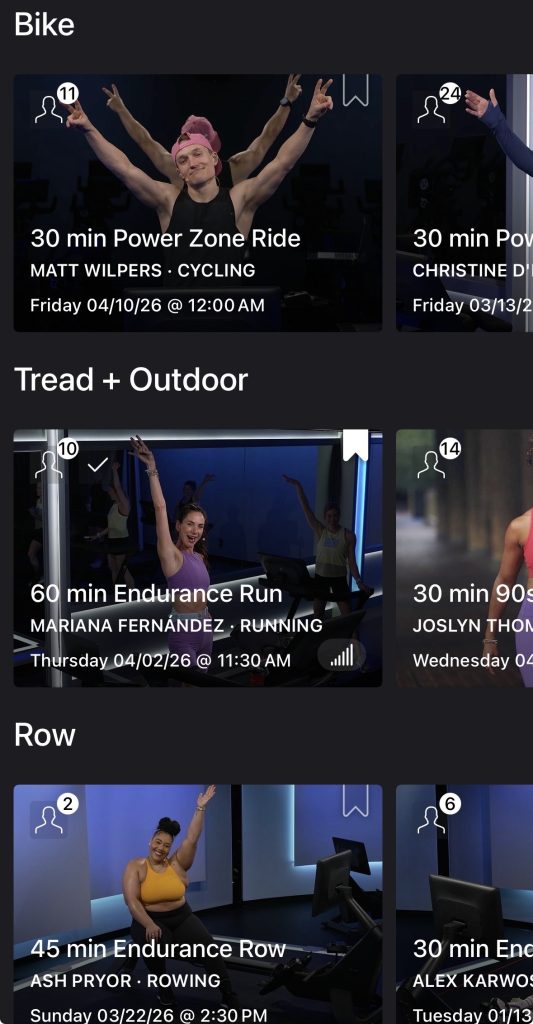
The collection spans three disciplines and 16 total classes, led by Matt Wilpers and Alex Karwoski along with 12 additional instructors.
The Bike portion includes four Power Zone classes ranging from 30 to 60 minutes. As noted above, the power zone targets in these classes may fall in zone 1 or zone 2 of the power zone system. What matters is staying in heart rate zone 2, so use your heart rate monitor as the primary guide throughout.
The Tread portion is the largest segment, with eight walk or run classes ranging from 20 to 60 minutes. The range of formats and durations makes this section accessible whether you are newer to zone 2 heart rate training or looking to build toward longer efforts over time.
The Row portion includes four endurance classes ranging from 20 to 45 minutes, rounding out the collection with a low-impact, full-body option for members who train on the Peloton Row.
Peloton describes the collection as designed to help members build their aerobic engine, strengthen endurance, and ultimately go farther, feel stronger, and recover better. That framing aligns closely with what endurance coaches and sports scientists have been saying about zone 2 heart rate training for years: the gains are real, they just take consistent, patient effort to accumulate.
Why Zone 2 Heart Rate Training Fits Peloton’s Current Direction
This collection does not arrive in a vacuum. Peloton has been moving steadily toward more structured, science-backed training frameworks. The Strive Score, which tracks time spent in each heart rate zone across any class type, was an early signal that the platform was thinking beyond output and leaderboard position. You can read more about how Strive Score works in our Peloton 101 guide.
The zone 2 heart rate training collection also connects directly to the programming philosophy behind the Boost Your Base program, Matt Wilpers’ eight-week Power Zone endurance series that explicitly centered Zone 2 work as the foundation of durable fitness. Our full review of that program covers why that approach resonated with members and what to expect from that kind of structured endurance training.
More broadly, Matt Wilpers has built his entire 2026 live class structure around periodized training, with base-building phases that lean heavily on endurance and zone 2 work. Our coverage of his 2026 training roadmap explains how that year-long framework is structured and why it matters for members who want to train with intention.
How to Use the Zone 2 Heart Rate Training Collection
The collection is available now in the Peloton app. Members will need a compatible heart rate monitor, either a Peloton device or a supported third-party option, to accurately track and stay within zone 2 during class.
The best approach to zone 2 heart rate training is consistency over intensity. These classes are not designed to leave you wiped out. They are designed to be repeatable, stackable, and sustainable as the foundation of a broader weekly training plan. Pair them with your higher-intensity rides, runs, strength sessions, or whatever else makes up your Peloton routine, and let the aerobic base build quietly in the background.
Zone 2 heart rate training works because it accumulates. One session will not move the needle. Twenty sessions, over two months, consistently applied, absolutely will. Head to the Zone 2 Training Collection in the Peloton app and pick your first class.
Are you already incorporating zone 2 work into your weekly training, or is this collection your entry point? Let us know how it goes.
The Clip Out is an independent Peloton news site with reporting, analysis, and community insights. We deliver breaking updates, feature reporting, and expert context on the stories driving the community and the industry.
Our weekly podcast offers deeper conversation and perspective, and you can find us on Apple Podcasts, Spotify, iHeart, TuneIn, and YouTube Music. You can also follow us on our socials on Facebook, Threads, Instagram, BlueSky, and YouTube.
See something in the Peloton universe that you think we should know? Visit us at theclipout.com and submit a tip.
About the Author: Jen Kern

Latest Podcast

Subscribe
Keep up with all the Peloton news!