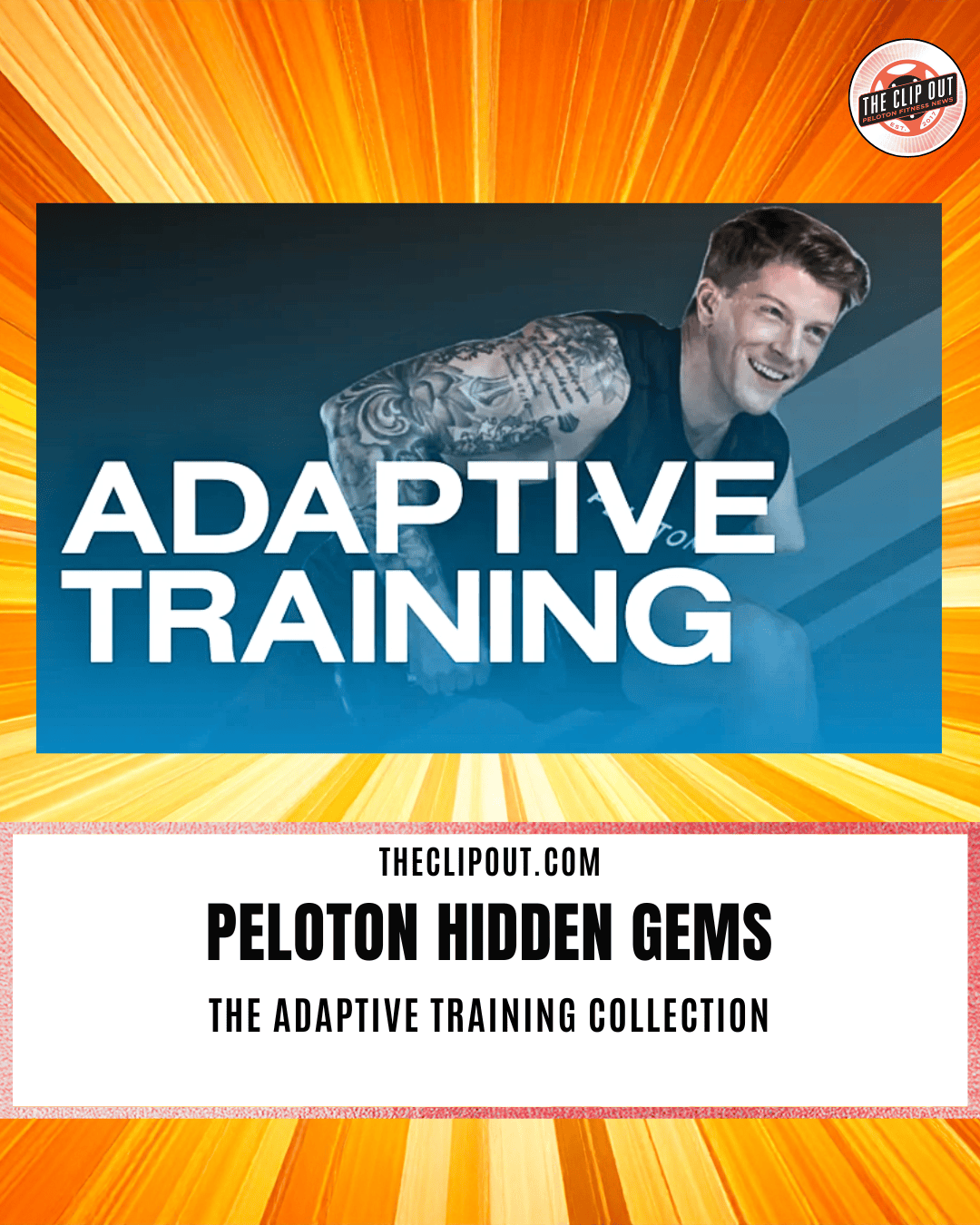
Peloton Hidden Gems: Uncovering the Adaptive Training Collection
The Peloton Adaptive Training Collection stands out as a hidden gem within the platform’s library, purpose-built to serve athletes with a range of physical abilities. This initiative moved beyond conventional modification cues, delivering distinct seated and standing adaptive classes that addressed accessibility head-on. By drawing on specialized talent and input from accessibility experts, Peloton embedded these offerings directly into its platform, ensuring the dedicated adaptive programming became an integral and lasting resource. This is still highly relevant to anyone seeking a truly inclusive fitness solution.
The Foundation of Adaptive Programming
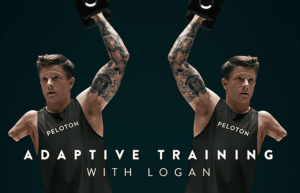
The launch of this programming marked Peloton’s move alongside industry efforts to create truly inclusive fitness spaces. Peloton cemented its stance in 2021 by recruiting Logan Aldridge as its first adaptive training consultant and instructor. Aldridge, an accomplished adaptive athlete who lost his left arm at age 13, developed the curriculum for these sessions. This commitment produced a hidden gem of adaptive content, offering ongoing value for athletes who continue to seek effective, personalized instruction on the platform.
His role involves more than just leading workouts. He advises the production teams on camera angles, lighting, and verbal cuing to ensure the content is useful for members with limb differences or those who require seated modalities. The programming focuses on functional fitness, emphasizing movements that translate to daily activities for individuals with disabilities.
Understanding the Peloton Adaptive Training Collection
The Adaptive Training Collection was structured around two key modalities: Seated Adaptive Strength and Standing Adaptive Strength. This clear distinction enabled members to find classes tailored to their specific needs or mobility levels. The collection continues to provide ongoing value by offering purposeful, accessible programming that remained directly relevant for anyone seeking adaptive fitness options.
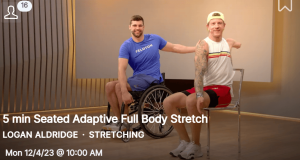
Unlike standard strength classes that might have briefly mentioned modifications, these sessions were structured from the ground up to support adaptive athletes. Warm-ups, main sets, and cool-downs were fully designed around adaptive needs. For example, every seated class assumed participants stayed in a chair or wheelchair throughout, eliminating the need for users to translate movements themselves. He brought in John Edward Heath, a motivational speaker and adaptive athlete, to collaborate and facilitate some of the classes with him.
This thoughtful class design still offers value for anyone seeking clear, accessible programming tailored to their circumstances.
Class Mechanics and Equipment
Efficiency drove the structure of these classes. Logan offers clear, advance directives on equipment placement before the clock starts, a critical logistical detail for adaptive athletes who might need additional time to transition between weights. This careful approach makes it accessible and practical for a wide range of users. The value of this disciplined structure still endures for those seeking reliable, thoughtfully designed adaptive training.
Classes typically utilized dumbbells and resistance bands. The programming emphasized principles that set this hidden gem apart:
- Unilateral training: Working one side of the body at a time to correct imbalances.
- Isometric holds: Building tension without dynamic movement.
- Grip variations: Accommodating different limb differences.
Instructor Leadership and Specific Examples
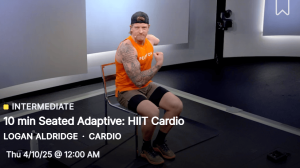
Logan served as the primary face of the adaptive programming, anchoring these classes within Peloton’s broader strength library. His technical and direct instruction style consistently clarifies the “why” behind each movement, breaking down biomechanics for adaptive athletes – for instance, explaining how a seated press engages the core differently than a standing one. The value of these precise, insightful cues continues to resonate years later.
The library steadily expanded since its inception, housing a total of 56 classes including Warm Ups, Core Strength, Bodyweight Strength, Upper Body Strength, Lower Body Strength and HIIT Cardio. The variety of classes it provides defines the value of the collection for members seeking accessible, thoughtfully structured instruction. This collection provides lasting benefits through precisely designed sessions, supporting athletes of all abilities and underscoring its enduring relevance.
Let’s review 2 examples that differ depending on abilities and preference – Seated Strength vs. Standing Strength.
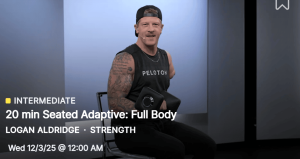
Seated Adaptive Strength
These sessions targeted the upper body and core while participants remained seated for anyone requiring accessible, effective strength training. Logan delivers clear instruction and purposeful movement options that continue to benefit athletes seeking a reliable, inclusive approach.
- 10 min Seated Adaptive Upper Body: This class focuses on chest and back development using dumbbells. Logan demonstrates how to stabilize the torso against a chair back to maximize pushing power.
- 20 min Seated Adaptive Full Body: This session incorporates compound movements. Logan guides members through hinge patterns and overhead presses, ensuring safety and proper alignment for wheelchair users.
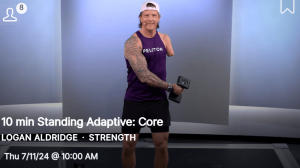
Standing Adaptive Strength
These classes were created for athletes who could stand but might have had balance issues or limb differences, further securing the collection’s place as a hidden gem. The structure and instruction offered ongoing value, as the clear, adaptive approach continued to benefit users seeking accessible lower body and core training.
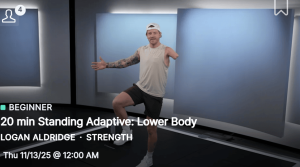
- 20 min Standing Adaptive Lower Body: From the initial launch series, this class focuses on squats and lunges. Aldridge provides specific cues for balance and weight distribution, particularly for those using prosthetics.
- 10 min Standing Adaptive Core Strength: This session prioritizes stability. The movements are selected to challenge balance without requiring the user to get down on the floor, addressing a common barrier in traditional core workouts.
Accessibility Features and Platform Integration
The utility of the Adaptive Training Collection rested on how effortlessly users could access this hidden gem. Peloton had integrated filters allowing members to sort by “Adaptive” under class types, making discovery straightforward. The platform also supported screen readers and provided subtitles, essential features that ensured this hidden gem remained valuable for members with visual or hearing impairments.
The company introduced the “TalkBack” feature on its hardware, a screen reader designed for blind or low-vision users. This addition supported effortless navigation through class menus and delivered audio feedback on performance metrics during each workout, enhancing the accessibility of this collection. The feature added practical value that continues to benefit users seeking inclusive, adaptive training options on the platform.
Future Developments
The continued production of adaptive content established this programming as a permanent part of the platform rather than a limited-time initiative. The library steadily expanded, with new classes added regularly to keep its offerings relevant and useful for long-term users.
As the platform evolved, Peloton focused on narrowing the gap between general fitness offerings and specialized adaptive training. The aim was a seamless user experience, allowing athletes with disabilities to log in and access a robust schedule of classes specifically designed for their needs, with no need for translation or modification. That thoughtful approach established the adaptive collection as a truly unique offering, with its value persisting for anyone now seeking accessible, purpose-built programming within the platform.
The Adaptive Training classes can be accessed on the Peloton App and across Bike and Tread hardware within the “Strength” category or by locating the collection. This hidden gem ensures that adaptive programming remains available, delivering meaningful value and inclusive training opportunities to members as the platform continues to evolve.
Do you agree that this is a hidden gem? Let us know in the comments!
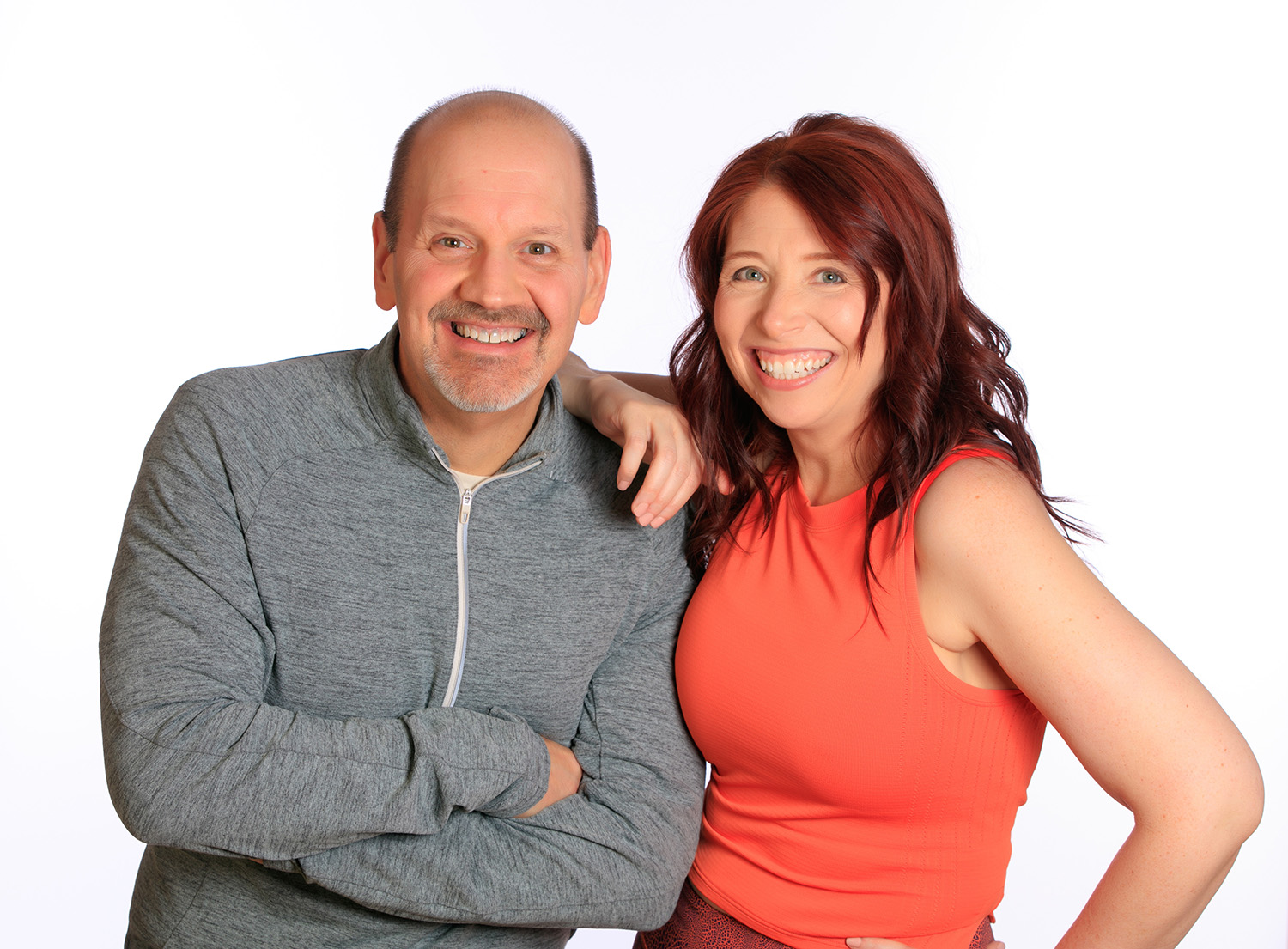
Tune in to The Clip Out every Friday to hear Tom and Crystal’s take on this and other hot Pelotopics. We’re available on Apple Podcasts, Spotify, Google Podcasts, iHeart, TuneIn. Be sure and follow us so you never miss an episode. You can also find the show online on Facebook.com/TheClipOut. While you’re there, like the page and join the group. Lastly, find us on our YouTube channel, YouTube.com/TheClipOut, where you can watch all of our shows.
See something in the Peloton Universe that you think we should know? Visit theclipout.com and click on Submit a Tip!
About the Author: Liz Nikol (#JustAskForHelp)

Latest Podcast

Subscribe
Keep up with all the Peloton news!