
Why HiLit Training Might Be the Smartest Way to Train Right Now
With Peloton set to launch Rebecca Kennedy’s new HiLit training program on January 12, members may find themselves asking the same question: what exactly is HiLit, and why is Peloton leaning into it now? While the four-week, five-days-a-week program offers structured strength, cardio, and recovery, the bigger story is the training philosophy behind it — one that exercise science increasingly supports as both effective and sustainable.
That philosophy is HiLit training, and it may be one of the most member-friendly approaches to fitness Peloton has embraced yet.
For those ready to dive right into HiLit training, Peloton members can expect RK’s new program to deliver a mix of cardio, strength, mobility, and recovery over a four week training period. For those who aren’t quite sure about any of it yet and need to know a little more about HiLit training, we’ve got you.
TL;DR: What You Need to Know About HiLit Training
- HiLit training = High Intensity, Low Impact, delivering challenging workouts without excessive joint stress.
- Science shows intensity drives fitness gains, not impact, meaning you can train hard and protect your body.
- HiLit supports cardio, strength, mobility, and recovery in one balanced approach.
- Low-impact training reduces injury risk and improves long-term consistency, one of the strongest predictors of real results.
- This style of training aligns with healthspan, a growing focus in wellness that prioritizes living more years in good health — staying strong, mobile, and capable as we age.
- HiLit is ideal for anyone focused on sustainable fitness, training longevity, and quality of life, not just short-term burn.
- You don’t have to only follow the Peloton program to benefit. Understanding HiLit principles can improve any training plan.
HiLit Training: What Is It?
HiLit training is a mash-up of High Intensity, Low Impact, a style of training that delivers cardiovascular and muscular challenge without the repetitive joint stress often associated with traditional HIIT.
HiLit workouts are designed to push a person’s effort levels while deliberately reducing impact, making them easier to recover from and safer to repeat on a regular basis, which is a key factor in long-term fitness success.
Peloton’s HiLit overview reflects this philosophy, describing the new program as a blend of:
- Strength
- Cardio
- Mobility
- Active recovery
…into a balanced, progressive structure that supports total-body fitness without grinding members down.
The Science Behind HiLit Training
Intensity, Not Impact, Drives Adaptation
Exercise research consistently shows that intensity is the main driver of improvements in cardiovascular fitness, insulin sensitivity, and aerobic capacity, not how much pounding and abuse your joints take.
Studies published in The Journal of Physiology and Medicine & Science in Sports & Exercise demonstrate that high-effort intervals improve VO₂ max and metabolic health even when impact is reduced. And, that’s important, because HiLit enables exercisers to train intensely without the physical toll, which helps explain why this approach is growing in popularity beyond elite athletes.
Low Impact Supports Recovery and Longevity
Low-impact training significantly reduces cumulative joint stress, particularly in the knees, hips, and lower back. According to the American College of Sports Medicine, managing joint load is critical for people training frequently or returning to exercise after injury.
Peloton’s blog post highlights that HiLit programming intentionally balances effort and recovery so members can:
- Train more days per week
- Reduce soreness and overuse injuries
- Maintain momentum over time
This aligns with broader healthspan research emphasizing repeatability over intensity spikes.
Who HiLit Training Is For
One of the biggest reasons HiLit training resonates with people is its versatility. This approach works especially well for:
- Members managing joint pain or prior injuries
- Runners and cyclists looking to reduce impact load
- Strength-focused athletes who still want cardio benefits
- Busy members who need efficient, well-rounded training
- Anyone prioritizing long-term health and consistency
Essentially, HiLit fills a gap between traditional HIIT and low-intensity workouts offering challenge without burnout.
How HiLit Supports Total-Body Fitness
Unlike single-modality training, HiLit naturally supports the four pillars exercise science recommends for healthy aging:
- Cardio fitness: Improves heart and lung function
- Strength: Preserves muscle mass and bone density
- Mobility: Supports joint health and movement quality
- Recovery: Reduces fatigue and overtraining risk
Peloton positions HiLit as a way to meet multiple training needs in one plan reflecting the company’s shift in focus on improving member outcomes through smarter, science-backed programming.
Where Peloton’s New HiLit Program Fits In
Peloton’s upcoming HiLit program launches January 12 and runs five days per week for four weeks, with new classes dropping nightly at midnight ET. The program is designed as a progressive training plan that integrates cardio, strength, and active recovery.
View this post on Instagram
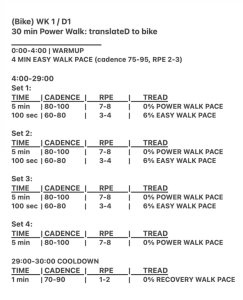
Programming may look a little different week to week, but members can expect the following from Week One: a Power Walk on Monday, a 30-minute pull-focused full-body strength class plus low-impact cardio on Tuesday, Pilates on Wednesday, a 30-minute push-focused full-body strength class plus low-impact cardio on Thursday, and Standing Core and Stretching on Friday. No Tread? No problem. RK reached out to Matt Wilpers for a little tread-to-bike conversion for the Week 1 Power Walk. We have every reason to believe that he will do this for each Tread class in the program, and RK will update that and will post trackers each week in her IG HiLit highlight.
While the program itself offers structure and accountability, its true value lies in introducing members to a training style that’s increasingly recognized as effective, sustainable, and adaptable whether followed as written or used as inspiration for future training.
Why HiLit Is Gaining Momentum
Fitness culture is (slowly) moving away from “go hard or go home” and toward training smart so you can keep showing up for your workouts and for yourself.
HiLit training supports that shift by:
- Delivering real cardiovascular and strength gains
- Protecting joints and connective tissue
- Improving consistency and adherence
- Aligning with long-term health and healthspan goals
Spoiler alert: Workouts really don’t need to leave you wrecked to be effective.
Is HiLit Right for You?
✅ HiLit Training May Be a Great Fit If You:
- Want high-effort workouts without joint pain
- Train multiple days per week and need better recovery
- Are returning from injury or managing chronic aches
- Want cardio and strength in one cohesive plan
- Care about long-term fitness, not just short-term burn
⚠️ You May Want/Need to Modify HiLit If You:
- Are brand new to exercise and need lower overall intensity
- Prefer sport-specific training (e.g., marathon-only focus)
- Are currently rehabbing an acute injury*
(*Note: Always check with your doctor before returning to any form of exercise post-injury)
A Blueprint for Longevity
HiLit training combines the benefits of high-intensity exercise with the sustainability of low-impact movement, a combination backed by science and likely to become increasingly reflected in how Peloton designs its programming.
But, what makes HiLit training especially compelling is how naturally it fits into the growing conversation around healthspan, which is the idea that fitness isn’t just about looking good now, but staying strong, mobile, and capable for decades to come. By emphasizing intensity without unnecessary wear and tear, HiLit supports the exact traits that research shows matter most as we age: muscle preservation, joint health, cardiovascular fitness, and recovery.
It’s a reminder that the smartest training plans aren’t about doing the most, they’re about doing what allows you to keep showing up, year after year. So, whether you jump into Peloton’s new HiLit program or simply apply the principles to your own routine, the HiLit approach offers a compelling blueprint for training harder, smarter, and longer.
Tune in to The Clip Out every Friday to hear Tom and Crystal’s take on this and other hot Pelotopics. We’re available on Apple Podcasts, Spotify, Google Podcasts, iHeart, TuneIn. Be sure and follow us so you never miss an episode. You can also find the show online on Facebook.com/TheClipOut. While you’re there, like the page and join the group. Lastly, find us on our YouTube channel, YouTube.com/TheClipOut, where you can watch all of our shows.
See something in the Peloton Universe that you think we should know? Visit theclipout.com and click on Submit a Tip!
About the Author: Nikki Smith

Latest Podcast




Subscribe
Keep up with all the Peloton news!