Peloton and ChatGPT Health: A Step Forward or a Step Too Far?
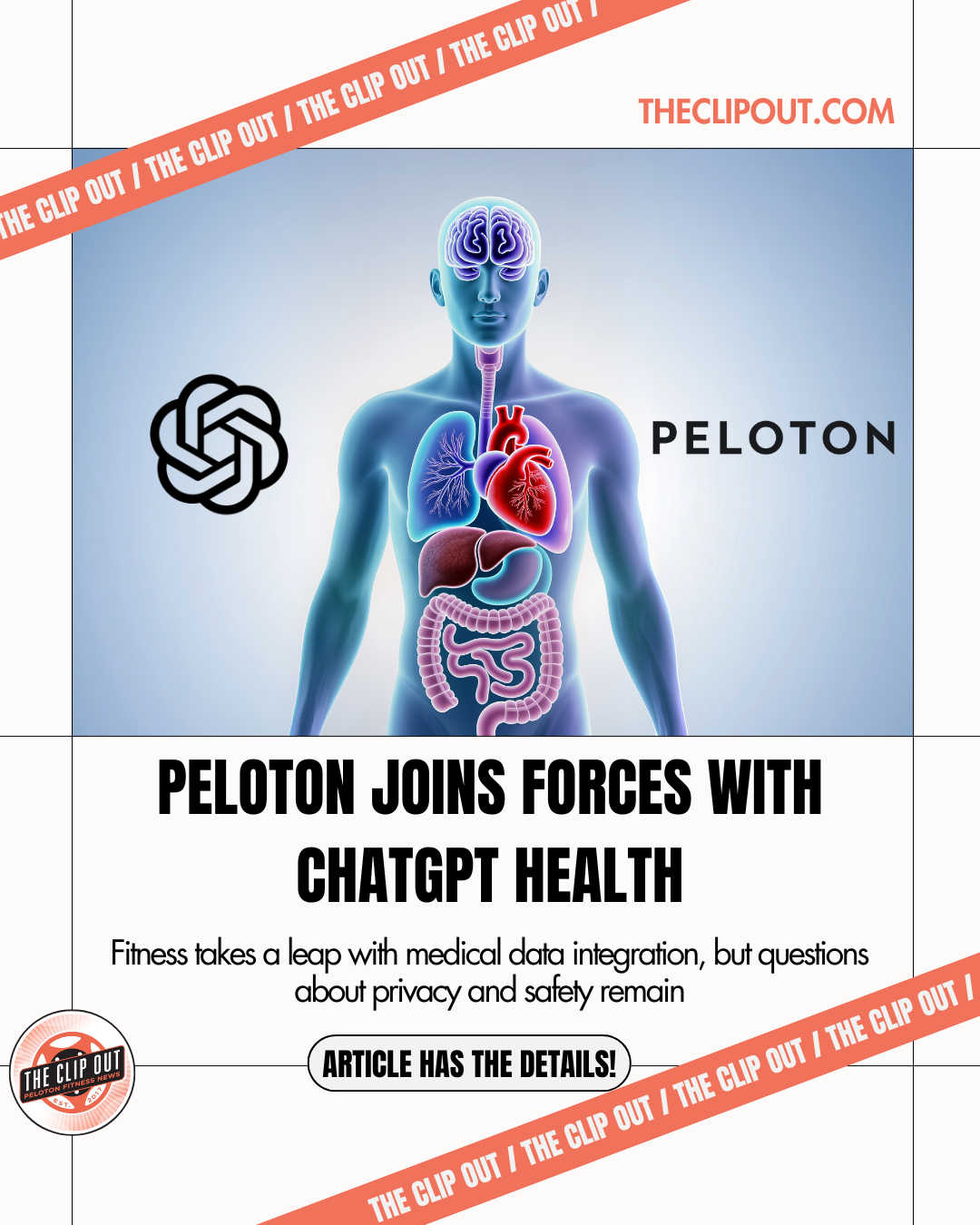
Peloton and ChatGPT Health have partnered during OpenAI’s official launch, and while it promises to change health and fitness personalization, it’s raising eyebrows—especially within the Peloton community. This new platform allows users to connect their medical records and wellness apps to ChatGPT, offering tailored health and fitness recommendations. But with such sensitive data involved, many are questioning whether the benefits outweigh the risks.
What is ChatGPT Health?
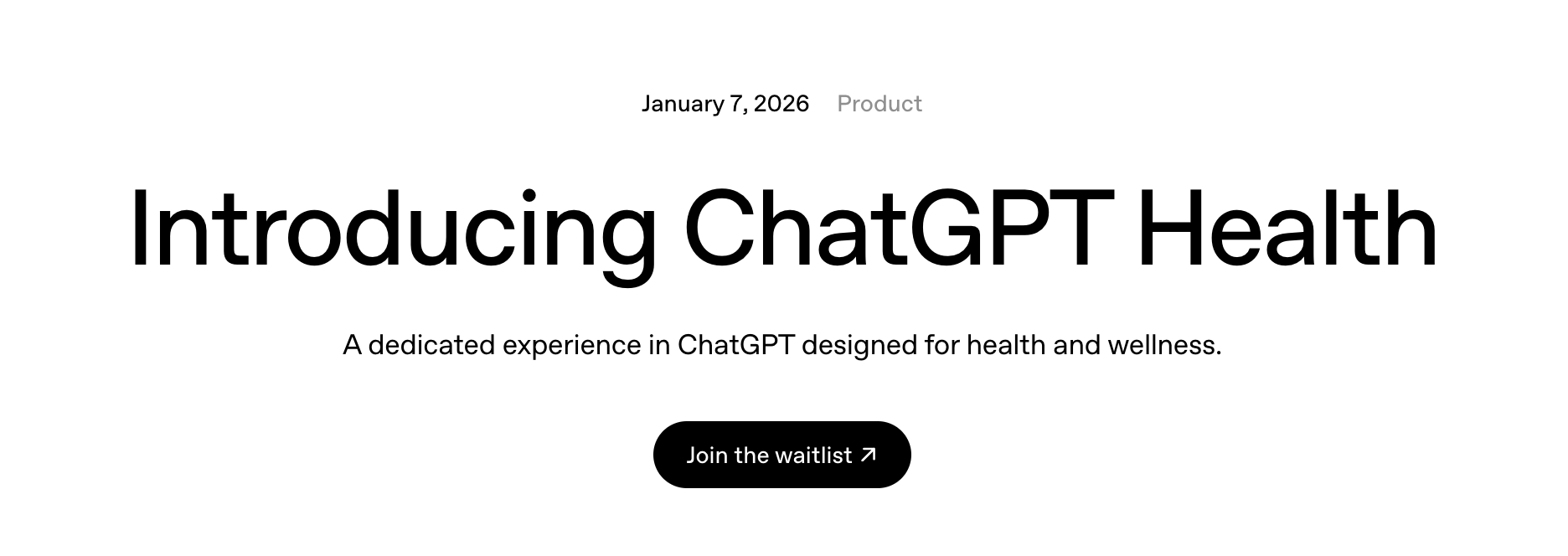
ChatGPT Health is OpenAI’s attempt to formalize the millions of health-related questions users already ask the chatbot every week. By integrating medical records and wellness apps, the platform aims to provide more personalized and relevant advice. Early partners include Apple Health, MyFitnessPal, Weight Watchers, and Peloton, among others.
The idea is simple: unify your health data in one place to get better insights. For example, ChatGPT Health can analyze your sleep patterns from Apple Health, your nutrition data from MyFitnessPal, and your fitness activity from Peloton to recommend a holistic wellness plan. However, this level of integration comes with significant privacy concerns.
Peloton and ChatGPT Health
Peloton’s involvement in ChatGPT Health builds on its earlier partnership with OpenAI, which we covered in detail here on The Clip Out. Initially, the integration allowed users to interact with Peloton’s class library through ChatGPT, creating workout stacks and plans via simple commands. While that feature was met with mixed reactions, the new integration goes much deeper—and not everyone is thrilled.
With ChatGPT Health, Peloton can now recommend classes based on your medical data. For example, if your doctor has advised low-impact exercise for injury recovery, ChatGPT Health can suggest specific Peloton rides or yoga classes. It can also adjust your fitness focus based on trends in your cholesterol levels or other health metrics. While this level of personalization sounds impressive, it also feels invasive to many users.
Privacy Concerns: How Safe is Your Data?
The biggest question surrounding ChatGPT Health is: how secure is your data? OpenAI has emphasized that all health-related conversations and files are encrypted and stored separately from other ChatGPT interactions. Additionally, this data will not be used to train OpenAI’s models. Users can also enable multi-factor authentication for an added layer of security.
Despite these assurances, the idea of sharing medical records and fitness data with an AI platform has sparked significant concern. The Peloton community, which was already wary of the initial ChatGPT integration, is now grappling with the implications of this deeper partnership. Many are questioning whether the convenience of personalized recommendations is worth the potential risks to their privacy.
What Could Go Wrong if Medical Records Fall Into the Wrong Hands?
The integration of medical records into an AI platform like ChatGPT Health raises serious concerns about what could happen if this sensitive data were to be compromised. Here are some potential risks:
- Identity Theft: Medical records often contain personal information such as full names, addresses, Social Security numbers, and insurance details. If this data were accessed by malicious actors, it could be used for identity theft or fraudulent activities.
- Discrimination: In the wrong hands, medical information could be used to discriminate against individuals in areas like employment, insurance, or housing. For example, a potential employer could misuse health data to avoid hiring someone with a chronic condition.
- Financial Fraud: Hackers could use stolen medical records to file false insurance claims, leaving victims to deal with the financial and legal fallout.
- Loss of Privacy: The exposure of sensitive health information, such as mental health diagnoses or chronic illnesses, could lead to embarrassment, stigma, or emotional distress for the affected individuals.
- Targeted Scams: Cybercriminals could use health data to craft highly targeted phishing scams. For instance, someone recovering from surgery might receive fraudulent emails offering fake medical devices or treatments.
Could ChatGPT Health Make Recovery Worse?
Another significant concern is the potential for ChatGPT Health to provide advice that inadvertently worsens a user’s condition. While the platform is designed to assist with health-related questions and fitness recommendations, it is not a substitute for professional medical care. Here’s why this could be risky:
- Lack of Context: Even with access to medical records, ChatGPT Health may not fully understand the nuances of a user’s condition. For example, it might recommend a workout that seems appropriate based on general data but is unsuitable for someone recovering from a specific injury or surgery.
- Overreliance on AI: Users might place too much trust in the platform, following its advice without consulting a healthcare professional. This could lead to overexertion, delayed recovery, or even new injuries.
- Generic Recommendations: While ChatGPT Health aims to personalize advice, it is still an AI system that relies on patterns and probabilities. Its recommendations may not account for unique factors like pain tolerance, mental health, or the emotional aspects of recovery.
- Missed Red Flags: A human doctor or physical therapist can identify subtle signs that a recovery plan isn’t working or that a condition is worsening. ChatGPT Health, on the other hand, might miss these red flags, leading to delayed intervention.
For these reasons, it’s crucial for users to treat ChatGPT Health as a supplementary tool rather than a primary source of medical advice. Always consult a qualified healthcare professional before making significant changes to your recovery plan.
How the Integration Works: A Step-by-Step Guide
If you’re curious about how ChatGPT Health and Peloton work together, here’s a quick tutorial:
- Sign Up for ChatGPT Health: Start by joining the waitlist for ChatGPT Health. Once you’re granted access, you’ll need to set up your account and review the privacy policies.
- Connect Your Apps: In the ChatGPT Health settings, you can link your medical records and wellness apps. For Peloton users, this means connecting your Peloton account to enable personalized class recommendations.
- Ask for Recommendations: Once your accounts are linked, you can ask ChatGPT Health for tailored advice. For example:
- “Peloton, recommend a 30-minute recovery ride for injury recovery.”
- “What classes should I take this week to improve my endurance?”
- “Based on my cholesterol levels, what type of workouts should I focus on?”
- Review and Adjust: ChatGPT Health will provide recommendations based on your data. You can review these suggestions and adjust your fitness plan as needed.
- Monitor Your Progress: Over time, ChatGPT Health can analyze your activity and health trends to offer more refined advice. For example, it might suggest increasing your workout intensity or trying new types of classes.
The Fitness Industry’s Reaction
While the fitness world is reporting on ChatGPT Health, the excitement is notably muted. Many industry experts are cautious about the implications of integrating AI so deeply into personal health and fitness. Privacy concerns aside, there’s also skepticism about whether AI can truly replace the human touch in fitness coaching.
Peloton’s involvement, in particular, has sparked debate. While the brand has always been at the forefront of connected fitness, this new integration feels like a significant leap—and not everyone is ready to make it. As one Peloton user put it, “I’m not sure I want my medical records influencing my workout recommendations. It feels like too much.”
Use Common Sense with ChatGPT Health
ChatGPT Health represents a bold step forward in the integration of AI and fitness, but it’s not without its challenges. For Peloton users, the promise of hyper-personalized recommendations is tempting, but the potential risks to privacy, data security, and recovery outcomes cannot be ignored.
Disclaimer: If any advice provided by ChatGPT Health doesn’t feel right for you, don’t follow it. Always listen to your body and consult a qualified healthcare professional before making significant changes to your fitness or recovery plan. AI can be a helpful tool, but it’s no substitute for expert guidance.
As this new platform rolls out, it’s crucial for users to weigh the benefits against the risks. If you’re considering using ChatGPT Health, take the time to understand how your data will be used and protected. And as always, stay tuned to The Clip Out for the latest updates and insights on this evolving story.
Tune in to The Clip Out every Friday to hear Tom and Crystal’s take on this and other hot Pelotopics. We’re available on Apple Podcasts, Spotify, Google Podcasts, iHeart, TuneIn. Be sure and follow us so you never miss an episode. You can also find the show online on Facebook.com/TheClipOut. While you’re there, like the page and join the group. Lastly, find us on our YouTube channel, YouTube.com/TheClipOut, where you can watch all of our shows.
See something in the Peloton Universe that you think we should know? Visit theclipout.com and click on Submit a Tip!
About the Author: Crystal OKeefe

Latest Podcast





Subscribe
Keep up with all the Peloton news!