Master Your Fuel: How to Optimize Nutrition Before and After Your Peloton Workout
Understanding how to optimize nutrition during your Peloton workout is just as critical to your success as clipping into the bike, stepping onto the tread or grabbing your kettlebells. While the Leaderboard or your wearable device tracks your output in real-time, the fuel you provide your body determines how effectively you can generate that power and how quickly you recover for your next session.
Nutrition is not a one-size-fits-all equation. A 20-minute Low Impact ride requires a different fueling strategy than a 60-minute Power Zone Endurance class or a high-intensity Bootcamp session. Optimizing your intake involves timing your meals correctly and selecting the right macronutrients to match the demands of your specific workout.
Last year Peloton added Dr. Jamie Schehr as their in-house nutritionist to provide guidance and help us out with healthy new ideas (that are also delicious!). Keep your eye on socials – many instructors have been getting in on the action by sharing their yummy videos and tips.

The Fundamentals of Pre-Workout Fueling
The primary goal of eating before a workout is to top off your glycogen stores. Glycogen is the stored form of carbohydrates in your muscles and liver, acting as the body’s preferred energy source during moderate to high-intensity exercise. Without adequate glycogen, fatigue sets in faster, perceived exertion rises, and maintaining high cadences or heavy resistance becomes significantly more difficult.
Timing Your Intake
Timing dictates what you should eat. The closer you are to your workout, the simpler your food choices should be. Here are some suggestions to optimize nutrition and fuel.
If you have two to three hours before a class, consume a balanced meal containing complex carbohydrates, moderate protein, and some fat. This timeframe allows the body to digest and absorb nutrients without causing gastrointestinal distress during exercise. Examples include oatmeal with berries and a scoop of protein powder, or a turkey sandwich on whole-grain bread.
If you are training in 30 to 60 minutes, the focus shifts exclusively to easily digestible carbohydrates. You want energy that hits the bloodstream quickly. Avoid high-fiber foods and heavy fats during this window, as they slow digestion and can cause cramping or sluggishness. A banana, a slice of toast with a thin layer of jam, or a handful of dried fruit are effective options.
Tailoring Peloton Workout Nutrition by Class Type
Not every class on the platform demands the same energy expenditure. Aligning your intake with the intensity and duration of your session ensures you have enough energy without over-fueling.
HIIT and Tabata Classes
High-Intensity Interval Training (HIIT) and Tabata rides or runs rely heavily on anaerobic energy systems. These efforts deplete glycogen rapidly. Even for a short 20 or 30-minute class, going in with low blood sugar can lead to dizziness or an inability to hit peak output numbers. Prioritize a small serving of simple carbohydrates 30 minutes prior. This ensures immediate glucose availability for those explosive efforts.
Endurance and Power Zone Training
For longer sessions, such as 60 to 90-minute Power Zone Endurance rides, sustained energy is key. If you are riding for more than an hour, your pre-workout meal becomes vital. Additionally, for sessions exceeding 75 minutes, you may need intra-workout nutrition. Sipping on an electrolyte drink with carbohydrates or consuming a gel halfway through can prevent the sudden drop in energy sometimes referred to as “bonking,” which is caused by glycogen depletion.
Low Impact, Yoga, and Recovery
Classes focused on active recovery, mobility, or lower-intensity steady-state cardio do not require aggressive carbohydrate loading. If you are taking a 20-minute Recovery ride or a restorative yoga flow, you likely do not need a dedicated pre-workout snack if you have eaten a regular meal within the last few hours. Over-fueling for lighter sessions can lead to unnecessary caloric surplus, so listen to your hunger cues.

Strength and Bootcamp
Strength-focused workouts—including Peloton’s strength, Bootcamp, and resistance-based sessions—place additional demands on muscle tissue beyond cardio-based classes. Optimizing nutrition for these classes can support muscle performance, minimize fatigue, and speed up recovery.
Pre-Workout Strategies:
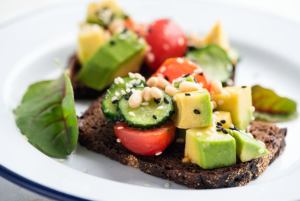
Aim to consume a meal or snack 1 to 2 hours before your strength workout that includes both carbohydrates and protein. Carbohydrates supply the energy needed for repeated lifts, while protein provides amino acids to support muscle retention and repair. Balanced options could include whole-grain toast with nut butter, oatmeal with low-fat milk, or a small turkey and avocado wrap. If you’re short on time, a banana with a tablespoon of peanut butter or a low-fat yogurt can be suitable. Hydration before strength classes is also important to maintain focus and contractile function.
Post-Workout Recovery:
Resistance and strength classes create small tears in muscle fibers, triggering a repair response that is optimal with the right nutrition. Consuming 20–30 grams of high-quality protein within 60 minutes after a strength session supports muscle protein synthesis. Pair this with a moderate serving of carbohydrates—such as a chicken and quinoa bowl, eggs and whole-grain toast, or a protein smoothie with fruit—to help replenish glycogen. For Bootcamp classes that combine cardio and resistance training, emphasize carbohydrates slightly more in your recovery meal.
Including sources of healthy fats, such as nuts or olive oil, can further aid cellular repair. Hydrate well and consider an electrolyte-rich beverage if the session was particularly intense or sweat-heavy.

Post-Workout Nutrition: The Recovery Window
Once the class ends and you have cooled down, the focus shifts to recovery. Strategies to optimize nutrition are incomplete without addressing how you refuel the tank. The goals here are threefold: replenish glycogen, repair muscle tissue, and rehydrate.
Protein for Repair
Exercise causes microscopic tears in muscle fibers. To repair this damage and build strength, the body requires protein. Consuming 20 to 30 grams of high-quality protein within an hour or two of finishing your workout initiates muscle protein synthesis. Good sources include whey or plant-based protein shakes, chicken breast, eggs, or tofu.
Carbohydrates to Replenish
Protein alone is insufficient for complete recovery. You must replace the glycogen burned during the class. Combining protein with carbohydrates enhances the uptake of nutrients into the muscle. The ratio of carbs to protein depends on the intensity of the session. A grueling 45-minute Climb ride warrants a higher ratio of carbohydrates in your post-workout meal compared to a 20-minute upper body strength class.
Hydration and Electrolytes
Sweat rates during indoor cycling and running can be surprisingly high due to the lack of wind resistance and evaporative cooling found outdoors. Water loss leads to a decrease in blood volume, which forces the heart to work harder. Rehydration should begin immediately.
Water is often sufficient for classes under 45 minutes. However, for longer or particularly sweaty sessions, electrolytes are necessary. Sodium is the primary electrolyte lost in sweat, followed by potassium and magnesium. Replenishing these helps prevent cramping and restores fluid balance. If you notice salt lines on your skin or clothing after a ride, you are likely a heavy sweater and should prioritize sodium in your post-workout rehydration strategy.

Practical Considerations for Morning Riders
Many members choose to exercise early in the morning. This presents a unique challenge: training in a fasted state versus waking up early to eat.
Training fasted (without eating) works well for some, particularly for low-to-moderate intensity sessions. However, for high-intensity output, performance often suffers without fuel. If you ride immediately after waking, the body has been fasting for 8-10 hours. Liver glycogen levels are low.
If you struggle with energy during early classes but cannot stomach a meal, try liquid nutrition. A glass of juice or a sports drink provides immediate glucose without the digestive burden of solid food. This small adjustment can significantly improve output metrics during those early morning intervals.
Establishing a Routine
Consistency in your nutrition is just as important as consistency in your training schedule. Experiment with different foods and timing to see how your body responds. Some riders can eat a banana 10 minutes before a ride and feel great; others need 45 minutes.
Track your energy levels alongside your workout metrics. If you notice a pattern of fatigue halfway through your classes, evaluate your pre-workout intake. If you find yourself consistently sore or sluggish the day after a hard session, examine your post-workout protein and carbohydrate consumption.
By treating your nutrition with the same discipline as your training, you ensure that your body has the resources it needs to perform, adapt, and improve. The right fuel allows you to get the most out of every minute you spend on the platform.
Did you know that Peloton has added lots of nutrition content to the platform? Click here to read our article about the launch.
Were these helpful tips? Let us know in the comments or share a recipe with us!
About the Author: Liz Nikol (#JustAskForHelp)

Latest Podcast




Subscribe
Keep up with all the Peloton news!